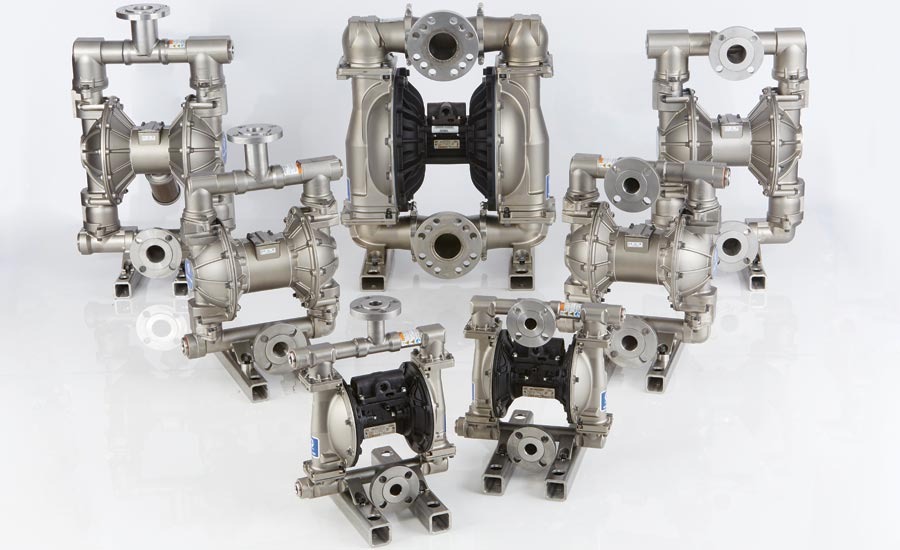
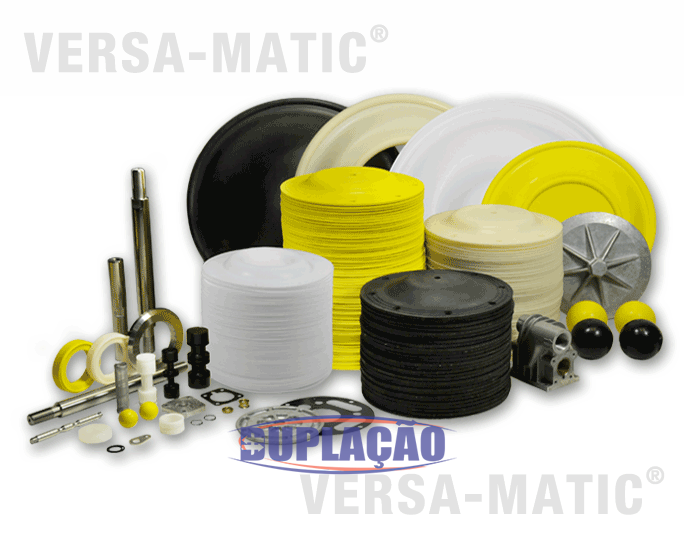
When choosing a bomba pneumatic diaphragm pump for your application, the following question may arise: “Would this type of pump work well for my application or do I need a special unit?” This is a very common question, which Duplication will help answer.
First, you need to understand what a standard pneumatic diaphragm pump is capable of, and then we can determine whether additional features, certifications, or special model configurations are truly necessary for a pump to meet or exceed requirements.
Standard pumps are seen as one of the most versatile types of positive displacement (PD) pumps. They can be easily installed and require very little sophistication to implement, operate and maintain. Additionally, they can handle most fluids and can provide a wide range of flows and pressures.

Standard diaphragm pneumatic pump capacity
All standard pumps:
Can run dry: Pneumatic diaphragm pumps will not be damaged if run dry intermittently. This type of operation is very common, especially in reservoir dewatering, tank unloading or overlapping tank applications.
Can handle solid materials: Can pass solids without damaging the pump. This type of unit can handle solids up to approximately 0.75” (19 mm) in diameter, and flap valve units can handle almost line-sized semi-solids.
Are self-priming: Unlike other pumping technologies, pneumatic diaphragm pumps are self-priming and do not require positive inlet pressure (NPSHA) to prime. They are capable of pulling a suction height of up to 32 feet (9.8 meters) or being aligned with the tank and operating well without inlet pressure of up to 10 feet (3.0 meters).
Safe blocking: Pneumatic pumps can be blocked without damaging the pump or product.
They are shear sensitive: The pumping action is gentle on the fluid being pumped. This is essential when pumping many products that can be altered or harmed if cut by the pumping process.
They have excellent chemical and temperature resistance: pneumatic pumps can be manufactured from a wide variety of materials, and can handle a wide range of fluids and temperature levels.
Does not require electricity: This type of pump does not require access to electricity and can be grounded to ensure safe and reliable operation in hazardous or explosive environments.
Have a low initial purchase price: In most cases, pneumatic diaphragm pumps cost significantly less than other positive displacement pumps.
They are submersible: They can be submerged completely and safely without compromising their performance.
They have a sealless design: the pumps do not use or require significant mechanical seals to operate.
Can handle a wide range of viscosities, pressures and flow rates: With flow rates up to 280 gpm (1,060 lpm), these pumps provide a wide range of flow rates. They can handle pressures up to 125 psi (8.6 bar) and virtually any fluid that can flow up to 90,000 cSt (415,500 SSU).
They are portable: they can be easily moved and only need compressed air to operate.
They are easy to install: the pumps do not need to be laser aligned and do not require complex controls to operate.
Meets Required Certification Standards: Pneumatic diaphragm pumps are available in a wide range of certification levels, meeting the needs of the industries they serve.
Special application pump
High pressure
When it comes to pressure, most standard pneumatic diaphragm pumps have a 1:1 ratio, so if the maximum air inlet pressure is 100 psi (7 bar), the fluid discharge pressure will also be 100 psi (7 bar). Most standard metal diaphragm pneumatic pumps have a maximum air inlet pressure of 125 psi (8.6 bar).
If a higher discharge pressure is required for the application, consider a high pressure pump, which in most cases is a 2:1 ratio. High pressure pumps can meet any application.
Centrifuge
Centrifugal pneumatic diaphragm pumps are excellent choices when a pump needs to provide high flow rates but handle large solids. These pumps are popular for dewatering mines and evacuating shafts and pits. They can handle large solids and can provide flow rates of up to 300 gpm (1,136 lpm).
Additionally, these pumps can be controlled with a pneumatic liquid level control for ease of operation or can be portable for spot dewatering as needed.
Submersible dewatering pumps
If compressed air or a main electrical source is not available, a portable centrifugal pump that operates with the help of a 12-volt vehicle battery is an interesting option for localized dewatering. This type of pump is lightweight yet effective and is great for pumping water from storm drains, ditches or construction sites.
Hygienic pumps
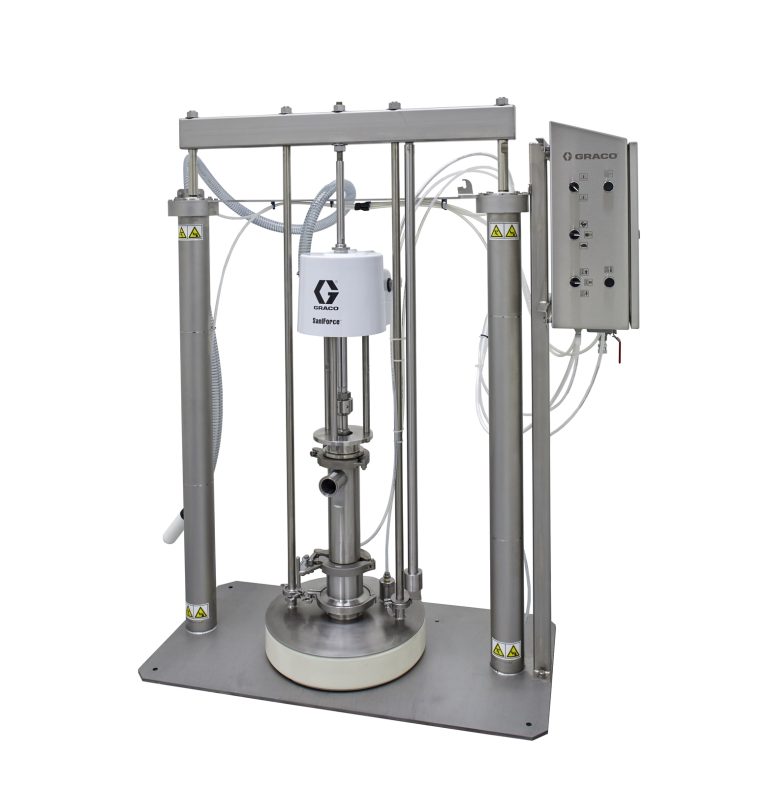
FDA and 3-A hygienic sanitary pumps are the right choices for pumping food and personal care products. These pumps are manufactured with materials that comply with the responsible bodies and are specifically designed to facilitate cleaning and sanitation.
Special construction products
Some pneumatic diaphragm pump manufacturers offer the option to customize pump models and designs to meet your specific application needs. For example:
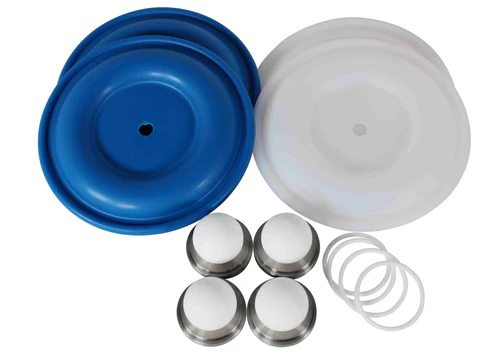
Exclusive combination of materials to allow the handling of abrasive or viscous products more effectively;
Fluid connection alternatives: Some pumps can be supplied with alternative connections;
Special coatings;
Various other pump options and modifications to meet the specific needs of your business.
Contact us and discover everything Duplication can do for you!