Pressure modulation is a fundamental concept in pneumatic automation, allowing precise pressure control in industrial systems. This article explores the principles of pressure modulation, its practical applications, and the benefits it brings to operational efficiency.
What is Pressure Modulation? – Definition and basic concepts about pressure modulation in pneumatic systems.
What is Pressure Modulation?
Pressure modulation refers to the precise control of pressure in pneumatic systems. This process is essential to ensure that equipment operates efficiently and safely. Modulation can be carried out through regulating valves, which adjust the pressure according to the system's needs. This means that rather than operating at a fixed pressure, the system can vary pressure according to demand, resulting in more efficient use of compressed air.
Advantages of Pressure Modulation
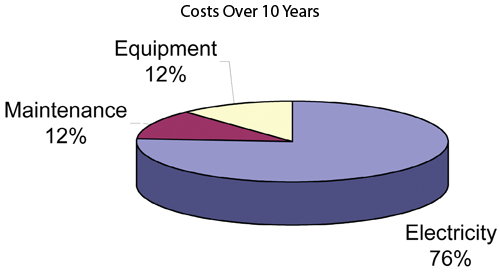
One of the main advantages of pressure modulation is the energy efficiency. By adjusting the pressure according to need, it is possible to reduce compressed air consumption, which leads to a reduction in operating costs. Furthermore, pressure modulation contributes to the operational security, as it prevents overloads and equipment failures. This ensures that systems operate within safe parameters, extending component life and reducing the need for maintenance.
Applications of Pressure Modulation in Industry
Pressure modulation is widely used in various industrial sectors. For example, in the automotive industry, it is applied in paint systems, where air pressure must be adjusted to ensure uniform paint application. In the food industry, pressure modulation is crucial for controlling packaging processes, where pressure must be maintained at specific levels to avoid contamination. Another example is in factory automation, where pressure modulation allows precise control of actuators and pneumatic cylinders, optimizing production.
How to Implement Pressure Modulation
To implement pressure modulation effectively, it is important to follow a few steps. First, it is necessary assess system needs and identify where modulation can be applied. Next, you must choose the regulating valves appropriate, which can be manual or automatic, depending on the complexity of the system. Installation must be carried out by qualified professionals, ensuring that all components are correctly integrated. Finally, it is essential to carry out tests and adjustments after implementation to ensure that pressure modulation is working as expected.
Advantages of Pressure Modulation – Main benefits of pressure modulation, including energy efficiency and operational safety.
Advantages of Pressure Modulation
Pressure modulation offers several advantages which are crucial for efficiency and safety in pneumatic systems. One of the main advantages is the energy efficiency. By regulating the pressure according to the actual system demand, it is possible to reduce compressed air consumption. This not only reduces operating costs, but also contributes to sustainability, as less energy is used.
Another important benefit is the operational security. Systems that operate with excessive pressure can cause failures and accidents. Pressure modulation helps maintain levels within safe limits, preventing damage to equipment and ensuring operator safety. Furthermore, modulation allows a greater precision in process control, resulting in better quality products and less waste.
Pressure modulation also facilitates maintenance of systems. With more efficient control, system components are less prone to premature wear, which reduces the need for frequent interventions. This translates into fewer unscheduled stops and greater productivity.
Finally, pressure modulation can be integrated into automation systems, allowing a real -time monitoring and automatic adjustments. This not only improves efficiency, but also provides valuable data for performance analysis and continuous process optimization.
Applications of Pressure Modulation in Industry – Examples of how pressure modulation is used in different industrial sectors.
Applications of Pressure Modulation in Industry
Pressure modulation is widely used in various industrial sectors, playing a crucial role in process optimization.
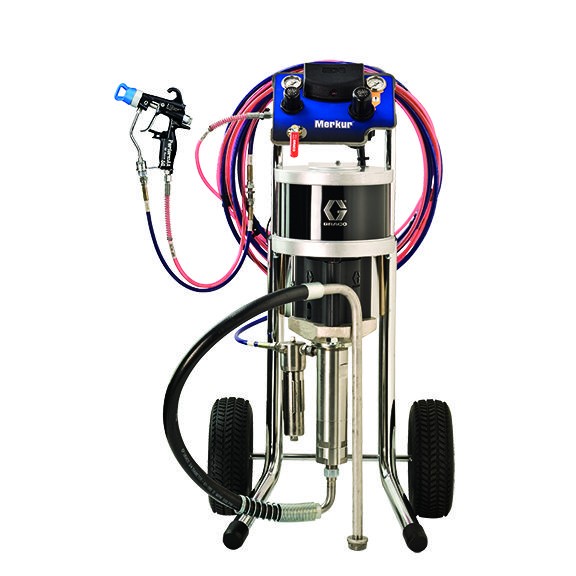
Na automotive industry, for example, pressure modulation is essential in painting systems. The air pressure must be adjusted to ensure uniform application of the paint, avoiding waste and guaranteeing the quality of the finish.
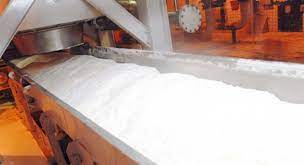
Na food industry, pressure modulation is used in packaging processes. Here, the pressure must be controlled to avoid contamination and guarantee the integrity of the products. Modulation allows machines to operate efficiently, maintaining optimal pressure throughout the packaging process.
Another example is in pharmaceutical, where pressure modulation is applied in dosing systems. Precision when dosing liquids is essential, and pressure modulation helps ensure that the exact amount of product is dispensed, avoiding errors that could compromise the quality of the medicine.
Na industrial automation, pressure modulation is used to control actuators and pneumatic cylinders. This allows machines to run smoother and more efficiently, resulting in greater productivity. Additionally, pressure modulation can be integrated into control systems, allowing automatic adjustments based on operating conditions.
Finally, in construction industry, pressure modulation is applied to pneumatic tools such as hammers and drills. Pressure control ensures these tools operate effectively, increasing safety and efficiency on the job site.
How to Implement Pressure Modulation – Steps and considerations for effectively implementing pressure modulation in pneumatic systems.
How to Implement Pressure Modulation
Implementing pressure modulation in pneumatic systems requires careful planning and precise execution. The first step is assess system needs. It is essential to understand what the pressure requirements are for each specific application. This involves analyzing the type of equipment that will be used and the operating conditions.
After the assessment, the next step is select regulating valves appropriate. There are different types of valves, such as manual and automatic. The choice should be based on the complexity of the system and the need for precise control. Automatic valves are ideal for systems that require frequent pressure adjustments.
Then should be plan the installation. It is important to ensure that all connections are correct and that there are no leaks. Installation must be carried out by qualified professionals who can ensure that all components are properly integrated. This includes checking hoses, connections and the position of valves.
After installation, it is essential carry out tests to ensure pressure modulation is working as expected. This involves monitoring pressure under different operating conditions and making adjustments as necessary. Regular testing helps identify problems before they become critical.
Finally, it is important Train the team who will operate and maintain the system. Knowledge of how pressure modulation works and how to make adjustments is crucial to ensuring the efficiency and safety of the system. Continuous team training is also essential for maintaining the system's effectiveness over time.