The pressure scale is a fundamental concept in measuring pressures in pneumatic and hydraulic systems. Understanding how this scale works is essential to ensure precision and safety in industrial applications. In this article, we will cover the different types of pressure scales, their practical applications and the importance of choosing the appropriate pressure gauge for each situation.
What is a Pressure Scale? – Definition and explanation of the pressure scale and its relevance in measuring pressure.
The pressure scale It is an essential tool for measuring pressures in various systems, such as pneumatic and hydraulic systems. It allows professionals to understand and monitor the pressure of gases and liquids, ensuring safety and operational efficiency. THE definition Pressure scale refers to the way pressure is measured and expressed, being fundamental for the analysis of industrial processes. Accuracy in pressure measurement is crucial, as small variations can directly impact the performance of machines and equipment.
There are different types of pressure scales, each with its specific characteristics and applications. THE absolute scale measures pressure in relation to absolute vacuum, being used in applications where precision is vital. THE manometric scale, on the other hand, measures pressure in relation to atmospheric pressure, being common in manometers used in compressed air systems. Already the differential scale measures the pressure difference between two points, being useful in processes that require monitoring pressure variations.
A pressure scale application is broad and varies across industries. In petrochemistry, for example, accurate pressure measurement is crucial for controlling chemical reactions and operational safety. In food industry, the pressure scale is used to ensure the quality and safety of products by monitoring pressure in packaging and processing systems. In pharmaceutical, precision in pressure measurement is vital to ensure the effectiveness of medicines and the safety of manufacturing processes.
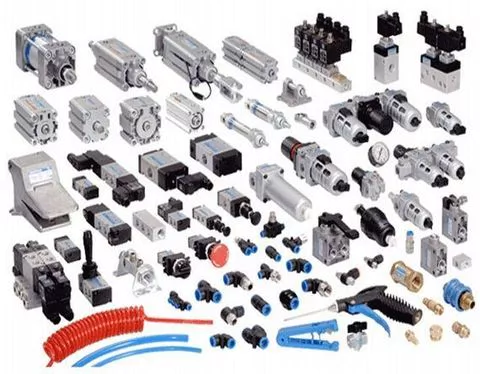
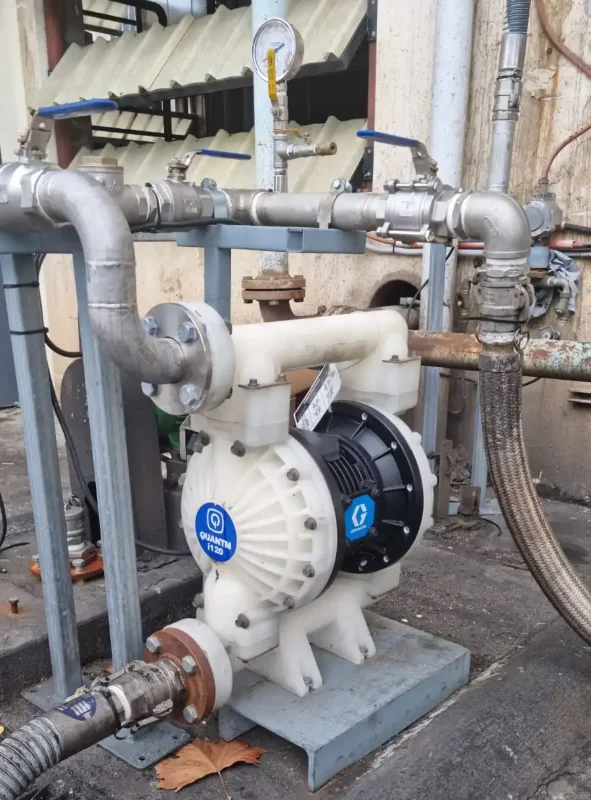
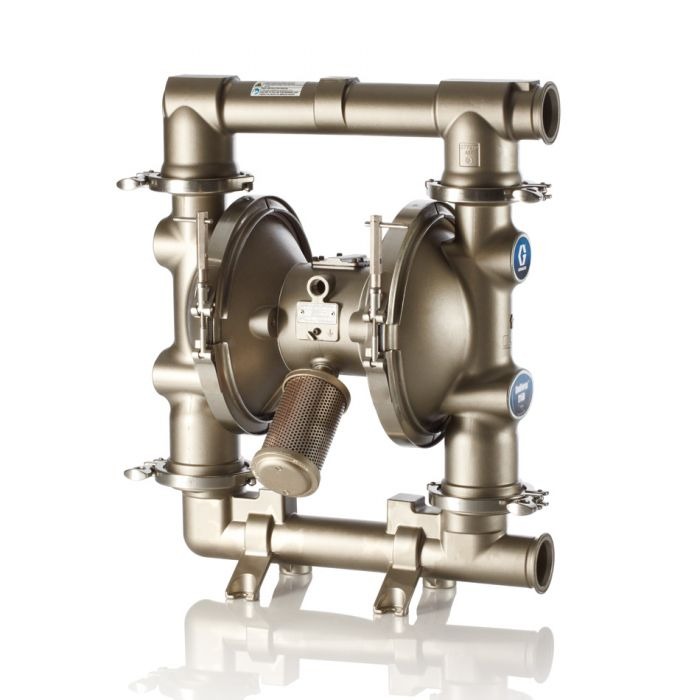
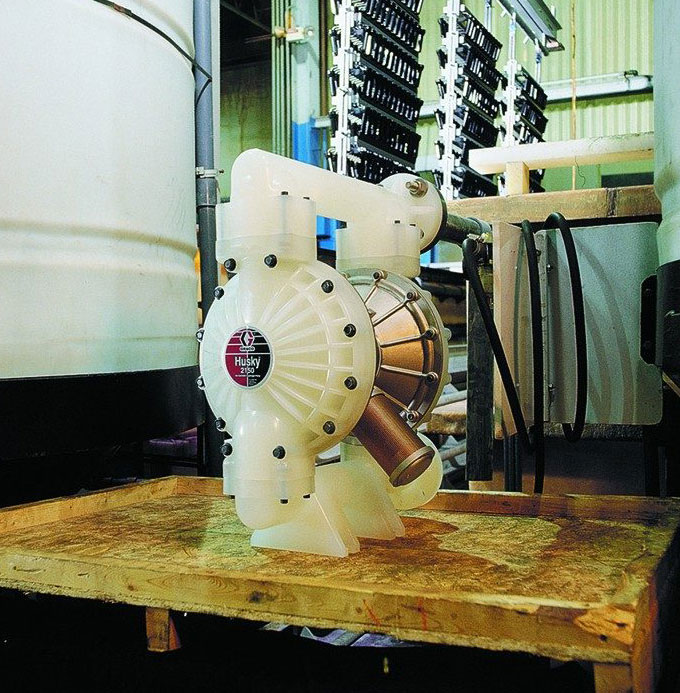
To the choose the appropriate pressure gauge, it is important to consider the pressure range required for the specific application. Factors such as pressure range, required accuracy and operating environment must be taken into account. Furthermore, the choice between analog and digital pressure gauges can influence the ease of reading and the accuracy of measurements. Choosing equipment from recognized brands, such as Graco Inc. and Pneumax, can guarantee greater reliability and durability of the instruments.
Types of Pressure Scales – Description of the different types of pressure scales, such as absolute, gauge and differential.
Types of Pressure Scales They are fundamental for the correct measurement and interpretation of pressures in various systems. Each type of scale has specific characteristics that make it more suitable for certain applications.
A absolute scale measures pressure in relation to absolute vacuum. This means that it considers zero pressure to be the total absence of pressure. This scale is crucial in applications where precision is vital, such as laboratory processes and HVAC systems.
A manometric scale, on the other hand, measures pressure in relation to atmospheric pressure. This makes it ideal for applications where ambient pressure can influence results, such as in compressed air systems and industrial processes.
Finally, the differential scale measures the difference in pressure between two points. This scale is especially useful in systems where it is necessary to monitor pressure variations, such as in filtration processes and hydraulic systems.
Each type of scale has its advantages and disadvantages, and the correct choice is essential to guarantee the efficiency and safety of industrial processes.
Pressure Scale Applications – Examples of how the pressure scale is used in various industries, such as petrochemical, food and pharmaceutical.
Pressure Scale Applications are broad and essential in various industries.
Na petrochemical industry, accurate pressure measurement is crucial for controlling chemical reactions and operational safety. Equipment such as reactors and heat exchangers depend on pressure gauges that use appropriate pressure scales to ensure that processes occur within safe parameters.
A food industry also benefits from pressure scaling, especially in packaging and pasteurization processes. Pressure must be monitored to avoid contamination and guarantee product quality. In packaging systems, the correct pressure is vital to ensure products are sealed effectively, preventing leaks and extending shelf life.
Na pharmaceutical, precision in pressure measurement is essential for the production of medicines. Processes such as filtration and mixing of active ingredients require constant pressure monitoring to ensure the efficacy and safety of final products.
Therefore, choosing the correct pressure scale and using quality pressure gauges are crucial to operational success in all these industries.
Choosing the Appropriate Pressure Gauge – Tips and considerations for selecting the correct pressure gauge based on the required pressure scale.
Choosing the Appropriate Pressure Gauge It is a task that requires attention to several factors.
First, it is important to consider the pressure range that will be measured. Each pressure gauge has a specific range, and choosing one that meets the needs of your system is essential to ensure accurate measurements.
In addition, the precision of the pressure gauge is another crucial aspect. Manometers with greater precision are necessary in applications where small pressure variations can impact the process.
Another point to be considered is the scale type that the pressure gauge uses. Depending on the application, a pressure gauge with an absolute, gauge or differential scale may be more suitable.
Operating environment must also be taken into account. If the pressure gauge will be used in aggressive environments, such as in chemical industries, it is important to choose a model that has adequate protection against corrosion and other adverse conditions.
Finally, the mark and a quality pressure gauge are factors that should not be neglected. Choosing recognized brands, such as Graco Inc. and Pneumax, can guarantee greater reliability and durability of the equipment, resulting in less maintenance and greater operational efficiency.