1. Crucial Factors for Sizing Diaphragm Pumps
In the contemporary scenario of innovation and excellence, understanding the strategic application of how to correctly size a bomba the diaphragm has become an indispensable differentiator. Correctly sizing a diaphragm pump is a fundamental process that involves a series of critical factors. Inappropriate choice can result in low efficiency, equipment damage and high operating costs. Therefore, it is vital to understand the variables involved, such as fluid characteristics, pressure and flow requirements, which play an essential role in proper pump selection. Detailed analysis of each of these aspects not only guarantees the efficiency of the system, but also extends the useful life of the components involved.
The first consideration must be the nature of the fluid to be pumped. Different fluids have different physical and chemical characteristics, such as viscosity, temperature and corrosivity, which directly impact the pump's performance. For example, highly viscous fluids require pumps with more robust suction capabilities, while corrosive fluids require corrosion-resistant materials.
Furthermore, operating pressure is one of the main criteria to be considered. The pump must be able to operate within the desired pressure range, ensuring that fluid delivery occurs continuously and efficiently. If the pressure is insufficient, this can result in supply failures, while excessive pressure can cause irreparable damage to the system.
Analysis and Practical Fundamentals in Practice with how to correctly size a diaphragm pump
For effective sizing, it is crucial to carry out an in-depth study of the operating conditions. This includes:
- Fluid Characteristics: Each fluid has unique properties that influence the choice of pump. It is important to evaluate viscosity, temperature, pH and presence of solids.
- Flow Requirements: Flow demand must be clearly defined, considering peaks and variations in consumption.
- Suction and Discharge Pressure: The pump inlet and outlet pressure must be measured to ensure that the pump operates within ideal parameters.
At the same time, analysis of the installation environment is essential. Factors such as ambient temperature, presence of vibrations and humidity can impact pump performance. Inadequate sizing can result in frequent failures and additional maintenance and replacement costs.
The correct specification of a diaphragm pump is not only a technical issue, but also a business strategy. Enterprises that invest time and resources in the appropriate choice of their pumps tend to save on maintenance and operation in the long term, in addition to ensuring production efficiency.
2. How to Avoid Operational Bottlenecks in Sizing
Proper sizing of diaphragm pumps is essential to avoid operational bottlenecks that can compromise the efficiency of the entire system. Bottlenecks arise when material flow is interrupted or reduced, resulting in delays and increased costs. To ensure that your system operates optimally, it is essential to adopt practices that minimize these risks.
One of the main factors that contribute to bottlenecks is pump undersizing. When the pump is not able to meet the required flow demand, this can lead to additional stress on the equipment and failures in the production process. Therefore, when sizing a pump, consider not only the average flow but also peak demand that may occur during operation.
Another relevant point is proper installation. The configuration of the piping system, the choice of connectors and the minimization of sharp bends are aspects that directly impact the pump's performance. It is essential to ensure that the piping is correctly aligned and that there is regular maintenance to avoid obstructions that could cause flow reduction.
- Preventive maintenance: Performing regular maintenance can identify and mitigate issues before they become bottlenecks. Periodically changing worn components and cleaning filters are recommended practices.
- Team Training: Technical teams must be well trained to identify signs of problems and act quickly. A capable team can prevent small failures from turning into major bottlenecks.
Diagnostics and Technical Parameters
For an effective diagnosis, consider the following steps:
- Demand Assessment: Monitor consumption patterns to understand peaks and valleys in demand.
- Regular Equipment Inspection: Carry out periodic inspections to check the physical condition of the pump.
- Operating Data Analysis: Use monitoring systems that record operational data, allowing proactive adjustments before problems worsen.
Implementing a continuous monitoring program can provide valuable insights into pump performance and help predict failures before they happen. This not only optimizes operation, but also reduces maintenance costs and unscheduled downtime. Furthermore, companies that promote a culture of prevention tend to see an increase in the reliability and productivity of their operations.
3. Best Practices for Sizing Diaphragm Pumps
Adopting good practices in sizing diaphragm pumps is crucial to guarantee the efficiency and durability of the system. With an increasingly dynamic and demanding market, understanding best practices can be the key to avoiding operational problems and maximizing return on investment. Below, we present some recommendations that can help in the process of sizing and choosing the ideal equipment.
Choosing the Suitable Material
The selection of pump material must be made based on the characteristics of the fluid. Diaphragm pumps can be manufactured with materials such as polypropylene, PTFE or stainless steel, each having its advantages and disadvantages. Corrosion resistance, operating temperature and fluid abrasiveness are crucial factors to consider.
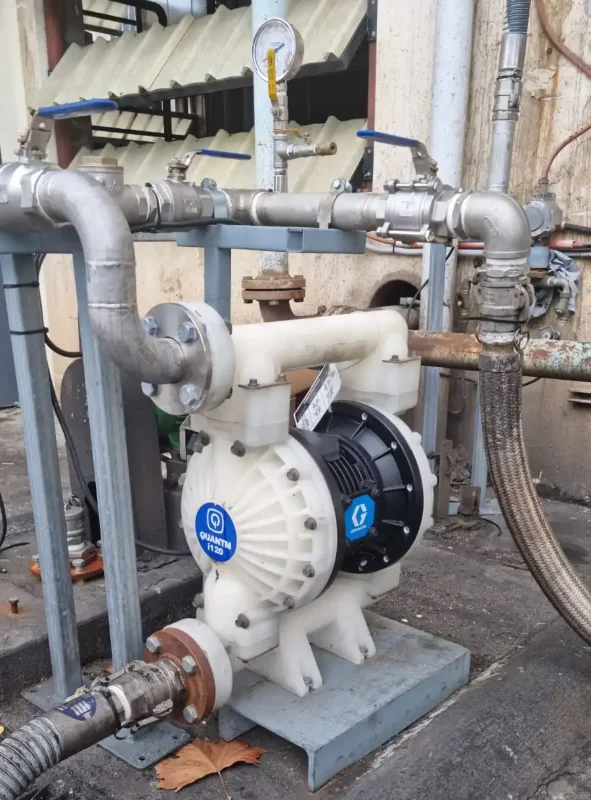
- Polypropylene: Ideal for non-aggressive chemical fluids.
- PTFE: Excellent chemical resistance, ideal for more demanding applications.
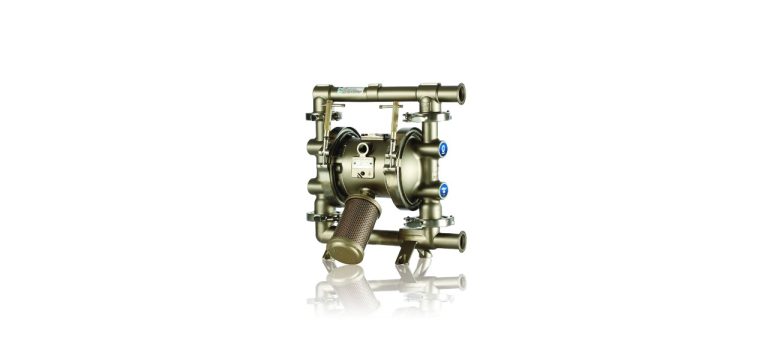
- Stainless Steel: Recommended for environments where durability is essential.
Pump Sizing
Correct sizing must take into account both the required flow and the operating pressure. Use simulation software or manufacturer tables to obtain accurate information about pump performance under different conditions. Additionally, consider safety margins to avoid system overloads.
- Define the Required Flow: Calculate the total flow considering all consumption points.
- Check the Pressure: Determine the minimum pressure required for proper pump operation.
- Consider Suction Height: Assess how high the fluid needs to be lifted and adjust the pump model as necessary.
Tests and Validations
Before implementation, it is essential to carry out testing under real conditions. This helps validate that the selected pump meets all specifications and operational requirements. It is recommended to carry out:
- Flow Tests: To confirm that the pump can deliver the required amount of fluid under the specified conditions.
- Pressure Tests: To ensure that the pump operates within the desired pressure range without failure.
Implementing these best practices not only improves operational efficiency, but also contributes to pump longevity, reducing total cost of ownership and ensuring that production processes are not interrupted.
4. How to Correctly Size a Diaphragm Pump
The process of sizing a diaphragm pump may seem challenging, but with adequate knowledge and application of best practices, it is possible to perform this task safely and efficiently. Below, we detail a step-by-step guide that can assist professionals in selecting the ideal equipment for their specific needs.
Step by Step for Sizing
- Identify the Fluid to be Pumped: Knowing the properties of the fluid, such as viscosity, temperature and corrosivity, is the first step in choosing the appropriate pump. This information will determine not only the type of pump, but also the materials used in its manufacture.
- Determine the Required Flow: Calculate the flow rate that will be required by the application, taking into account peaks and regular demand. This calculation must be done in liters per minute (L/min) or gallons per minute (GPM).
- Calculate Operating Pressure: Evaluate the pressure required to transport the fluid. This includes the pressure required at the discharge point, as well as considering the pressure loss along the pipeline.
- Choose the Appropriate Pump: Based on the information collected, select the pump that meets all specifications. Check the manufacturer's performance charts and compare available options.
- Pump Models: Consider pneumatic diaphragm pump options, which offer advantages such as low maintenance and high efficiency for various applications.
- Installation and Testing: After selection, installation must be carried out in accordance with the manufacturer's recommendations. Perform flow and pressure tests to ensure the pump operates correctly under the desired conditions.
FINAL CONSIDERATIONS
The correct implementation of diaphragm pump sizing not only ensures that industrial operation is maintained within the desired parameters, but also contributes to the safety and efficiency of the system. Companies that invest time in planning and executing this process tend to benefit from smoother, more productive operations, as well as avoiding unnecessary maintenance and downtime costs.
To deepen your technical knowledge and consult international regulatory standards, see more data about how to correctly size a diaphragm pump.
Conclusion: Strategic Summary and Next Steps
In conclusion, the correct sizing of a diaphragm pump is a practice that involves technical knowledge, careful analysis and application of good practices. Companies that dedicate themselves to this process tend to optimize their systems, ensure efficiency and reduce operational costs. Investment in training and cutting-edge technology proves to be a competitive differentiator in the current market.
Frequently Asked Questions about how to correctly size a diaphragm pump
What are the main factors to consider when sizing a diaphragm pump?
Key factors include the nature of the fluid, operating pressure, flow characteristics and installation environment. Each of these elements is crucial to ensuring the pump operates efficiently and safely.
How can I avoid operational problems with diaphragm pumps?
To avoid problems, it is essential to carry out correct sizing, adequate installation and regular preventive maintenance. Training the team to identify failures is also essential.
What are the recommended materials for diaphragm pumps?
Recommended materials include polypropylene for non-aggressive fluids, PTFE for chemical resistance and stainless steel for applications requiring durability. The choice of material must be based on the properties of the fluid.
How can I test the efficiency of a diaphragm pump?
Efficiency can be tested by taking flow and pressure measurements during operation. These measurements should be compared to the manufacturer's specifications to ensure the pump is working properly.
What are the costs associated with poor sizing of a pump?
Poor sizing can result in high maintenance costs, unscheduled downtime and even operational failures. Investing in adequate sizing can prevent significant financial losses.