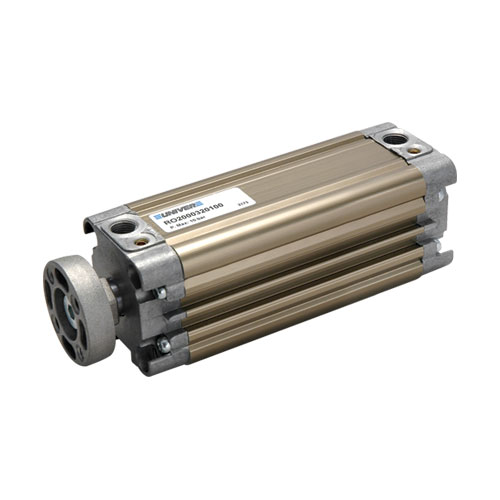
Pumps for industrial effluents are essential for efficient residual liquid transport, ensuring environmental protection and compliance with standards. Proper choice, regular maintenance and sustainable solutions are fundamental to maximize their efficiency and prolong the life of the equipment.
The ** industrial effluent pump ** is a crucial equipment for the treatment and responsible disposal of liquid waste. If you are looking for efficient solutions to optimize processes and maintain the sustainability of your industrial projects, it has come to the right place! In this article, we will address essential aspects about effluent pumps, from choosing the appropriate model to the necessary maintenance to ensure its efficiency and durability.
What is a bomb for industrial effluents?
One bomba for industrial effluents It is a device designed specifically for transporting residual liquids generated in industrial processes. These effluents may contain a variety of substances, including chemicals, suspension solids and other contaminants. The proper use of these pumps is crucial to ensure efficiency efficiency and effluent disposal, minimizing environmental impacts.
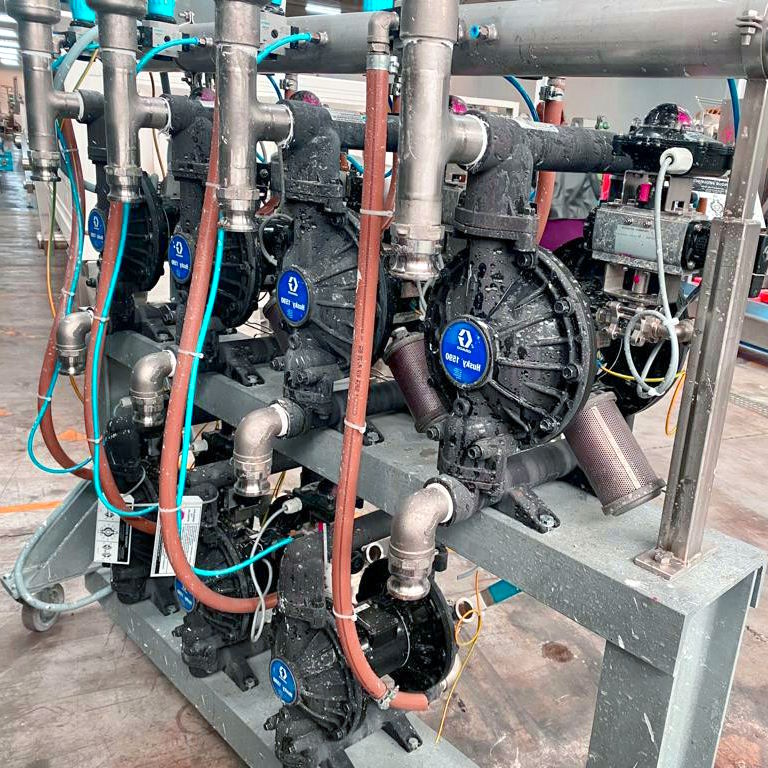
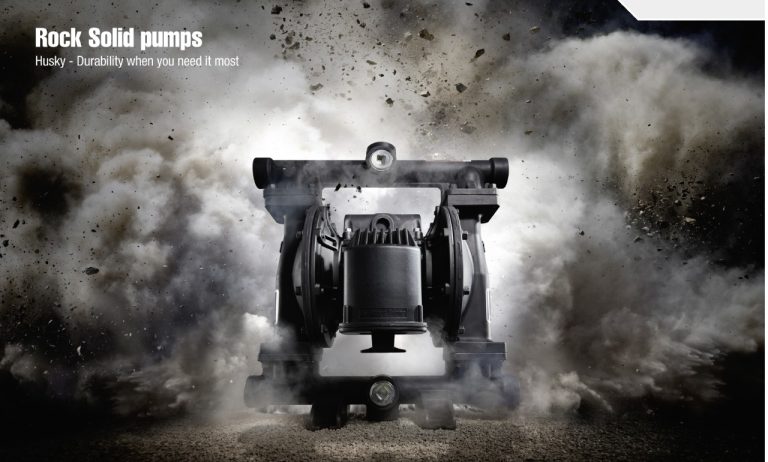
These pumps are designed to deal with corrosive and viscous liquids, which makes them different from conventional pumps. They can be classified into different types, such as diaphragm pumps, centrifugal pumps and submersible pumps, each with its specific characteristics and applications.
Types of bombs for effluents
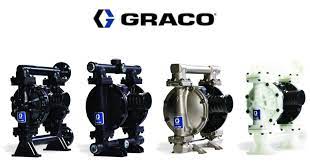
As diaphragm pumps They are ideal for solids that contain solids as they can pump liquids with suspension particles without clogging. Already the centrifugal bombs They are best suited for clean liquids and are used in applications where pressure is a priority. To the submersible pumps They are installed directly in the liquid and are often used in wells or storage tanks.
In addition to their main transport function, industrial effluent pumps also play an important role in protecting the environment, ensuring that effluents are treated properly before they are discarded. This helps to avoid contamination of water bodies and preserve environmental quality.
How to choose the right bomb for effluents?
Choose the Right pump for effluents It is fundamental to ensure efficiency in the treatment and disposal of liquid waste. There are several factors to be considered during this process, which can directly impact the performance and durability of the equipment.
1. Effluent type
The first step is to identify the type of effluent that will be pumped. Industrial effluents may vary in composition, viscosity and presence of solids. Diaphragm pumps are recommended for liquids with suspension solids, while centrifugal bombs are best suited for clean liquids.
2. Viscosity and temperature
Liquid viscosity and operating temperature are also critical factors. Projected pumps for high temperatures or viscous liquids should be selected to avoid failures. Check the manufacturer's specifications to ensure that the pump will support the operating conditions.
3. Capacity and pressure
It is important to consider the necessary pumping capacity and the pressure that the pump should support. Calculate the effluent volume to be transported and the distance to the point of disposal. This will help determine the most suitable power and pump type.
4. Construction Materials
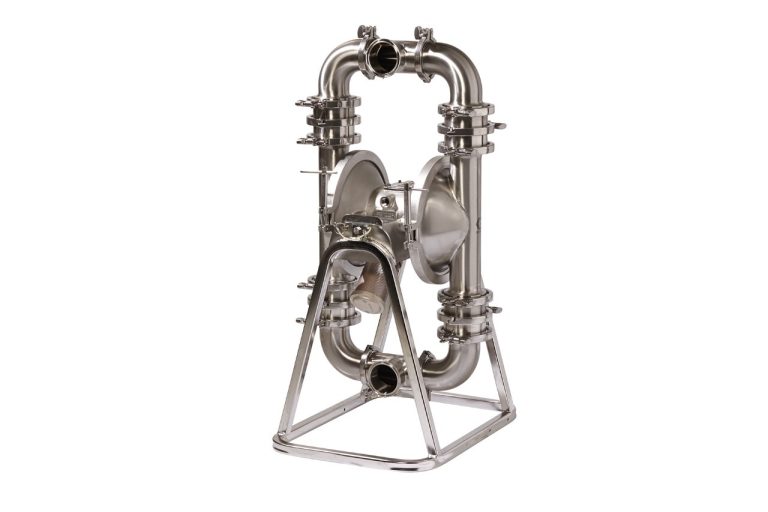
Pump building materials should be compatible with effluents. For corrosive liquids, choose pumps made of sturdy materials such as stainless steel or special plastics. This will guarantee the longevity of the equipment and reduce maintenance costs.
5. MAINTENANCE AND SUPPORT
Consider pump maintenance ease and technical support availability. Pumps that require complex maintenance may result in prolonged stops and additional costs. Make sure the supplier offers technical assistance and spare parts.
Advantages of pumps for industrial effluents
As Pumps for industrial effluents They offer several advantages that are essential for the efficiency and sustainability of water treatment processes. Next, we highlight some of the main advantages of this type of equipment.
1. Efficiency in liquid transportation
These pumps are designed to deal with residual liquids, ensuring that transport occurs rapidly and efficiently. This is crucial in maintaining the continuity of industrial processes and avoiding interruptions.
2. Reduction of operating costs
By using specific bombs for effluents, industries can reduce operating costs. Proper equipment minimizes wear and need for frequent maintenance, resulting in long -term economy.
3. Environmental Protection
Pumps for industrial effluents help ensure that liquid waste is treated properly before disposal. This contributes to the protection of the environment, avoiding the contamination of water bodies and promoting sustainable practices.
4. Versatility
These pumps are versatile and can be used in a variety of applications, from wastewater treatment to liquid movement in manufacturing processes. This adaptability makes them a popular choice in different industrial sectors.
5. Ease of Maintenance
Industrial effluent pumps are designed to facilitate maintenance. Many of them have affordable components and systems that allow the rapid exchange of parts, reducing inactivity time and increasing productivity.
Maintenance of pumps for industrial effluents
A maintenance of pumps for industrial effluents It is essential to ensure efficient operation and extend the life of the equipment. Next, we present some recommended practices for the maintenance of these pumps.
1. Regular inspections
Performing regular inspections is critical to identifying problems before they become serious. Check components such as stamps, hoses and connections to ensure no leaks or wear.
2. Cleaning of components
Cleaning the pump components should be done periodically. Accumulated waste may affect performance and cause obstructions. Use proper cleaning products that do not damage the pump materials.
3. Lubrication
Proper lubrication of moving parts is crucial to prevent premature wear. Follow the manufacturer's recommendations regarding the type and frequency of lubrication required.
4. Performance monitoring
Monitor pump performance by observing parameters such as pressure, flow and temperature. Any significant change may indicate a problem that needs to be investigated.
5. Team training
Ensure that the team responsible for the operation and maintenance of the pumps is well trained. Proper knowledge about the operation and maintenance needs of the equipment is vital to avoid failures.
Sustainable solutions in industrial effluents
As sustainable solutions in industrial effluents They are essential to minimize environmental impact and promote responsible practices in the industrial sector. Next, we present some approaches that can be adopted to ensure sustainability in the treatment of effluents.
1. Biological treatment
Biological treatment uses microorganisms to decompose organic matter present in effluents. This technique is effective and reduces the need for chemicals, making the process more environmentally friendly.
2. Water reuse
Implementing water reuse systems is an effective strategy for reducing drinking water consumption. After proper treatment, water can be reused in industrial processes, irrigation or even refrigeration systems.
3. Membrane Technologies
Membrane technologies, such as reverse osmosis and ultrafiltration, are used to separate contaminants from water. These solutions allow clean water recovery and pollutant removal, contributing to sustainability.
4. Advanced oxidation processes
Advanced oxidation processes (POA) use oxidizing agents to degrade difficult pollutants. This approach is effective for removing toxic substances and improving the quality of treated water.
5. Real time monitoring and control
Implementing real -time monitoring and control systems allows industries to adjust their effluent treatment processes dynamically. This not only improves efficiency, but also ensures that environmental standards are met.
In short, the importance of pumps for industrial effluents
Pumps for industrial effluents play a crucial role in the management of liquid waste, ensuring efficiency and sustainability in industrial processes.
By choosing the right bomb, performing regular maintenance and adopting sustainable solutions, industries can minimize their environmental impact and improve the quality of effluent treatment.
With the implementation of appropriate technologies and responsible practices, it is possible not only to meet environmental standards, but also contribute to a more sustainable future.
FAQ - Frequently asked questions about industrial effluents
What are the main types of pumps for industrial effluents?
The main types include diaphragm pumps, centrifugal pumps and submersible pumps, each suitable for different applications.
How can I choose the right bomb for my industrial process?
Consider factors such as effluent type, viscosity, temperature, capacity and building materials when choosing the pump.
What is the importance of maintaining bombs for effluents?
Regular maintenance is crucial to ensure efficient functioning, extending equipment life and avoiding operational failures.
What are the sustainable solutions for effluent treatment?
Sustainable solutions include biological treatment, water reuse, membrane technologies and advanced oxidation processes.
How can real -time monitoring help in the treatment of effluents?
Real -time monitoring allows dynamic adjustments in treatment processes, improving efficiency and ensuring compliance with environmental standards.
What are the benefits of using industrial effluent bombs?
Pumps ensure fluid transportation efficiency, reduce operating costs, protect the environment and facilitate maintenance.