In the context of industrial operations, efficiency is key. Whether in manufacturing, chemical processing or wastewater treatment, optimizing processes can result in big savings, increased productivity and greater safety. A crucial component in many of these applications are pneumatic pumps. Understanding its performance characteristics is vital to maximizing efficiency.
What Are Pneumatic Pumps?
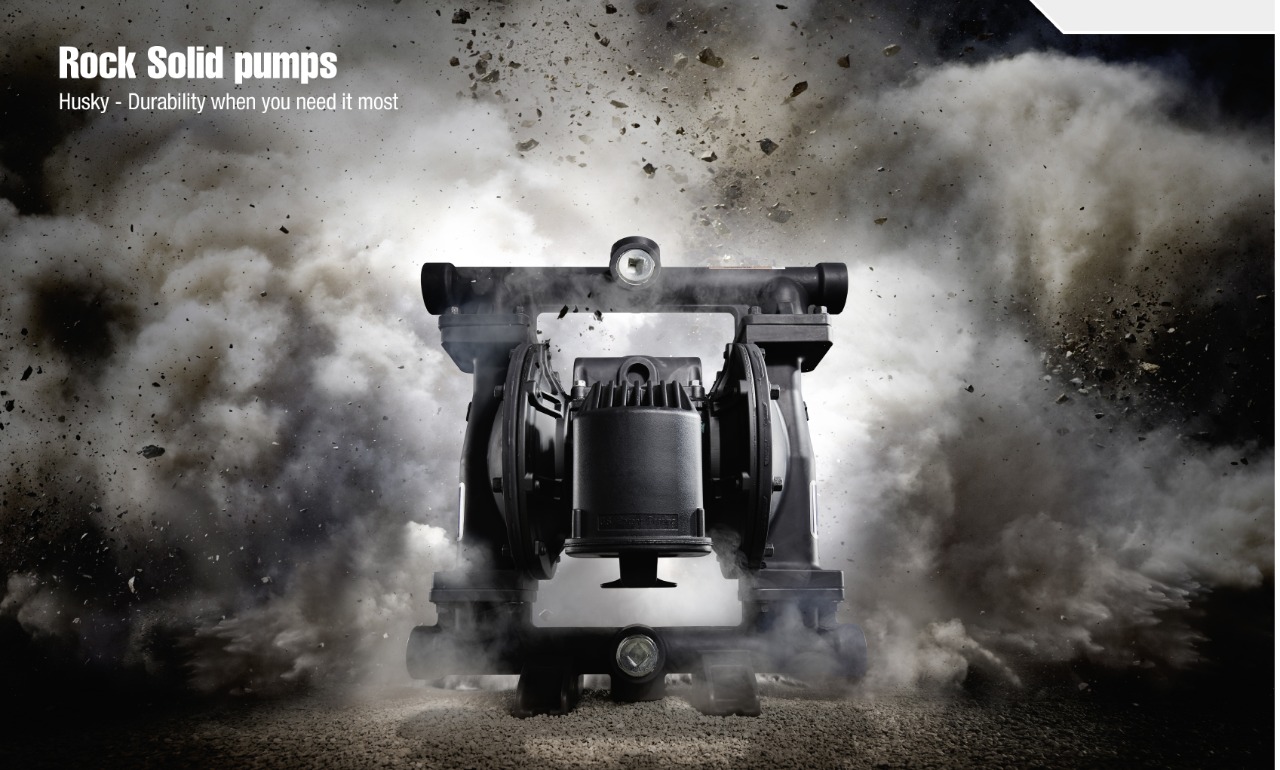
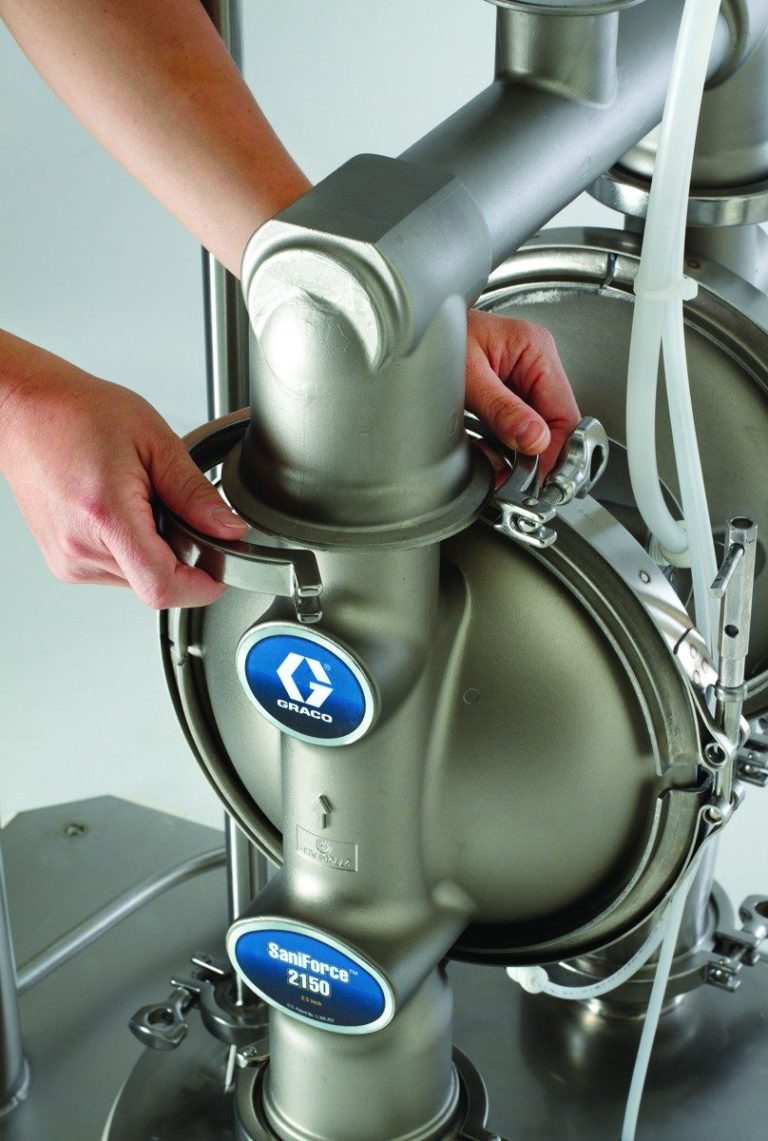
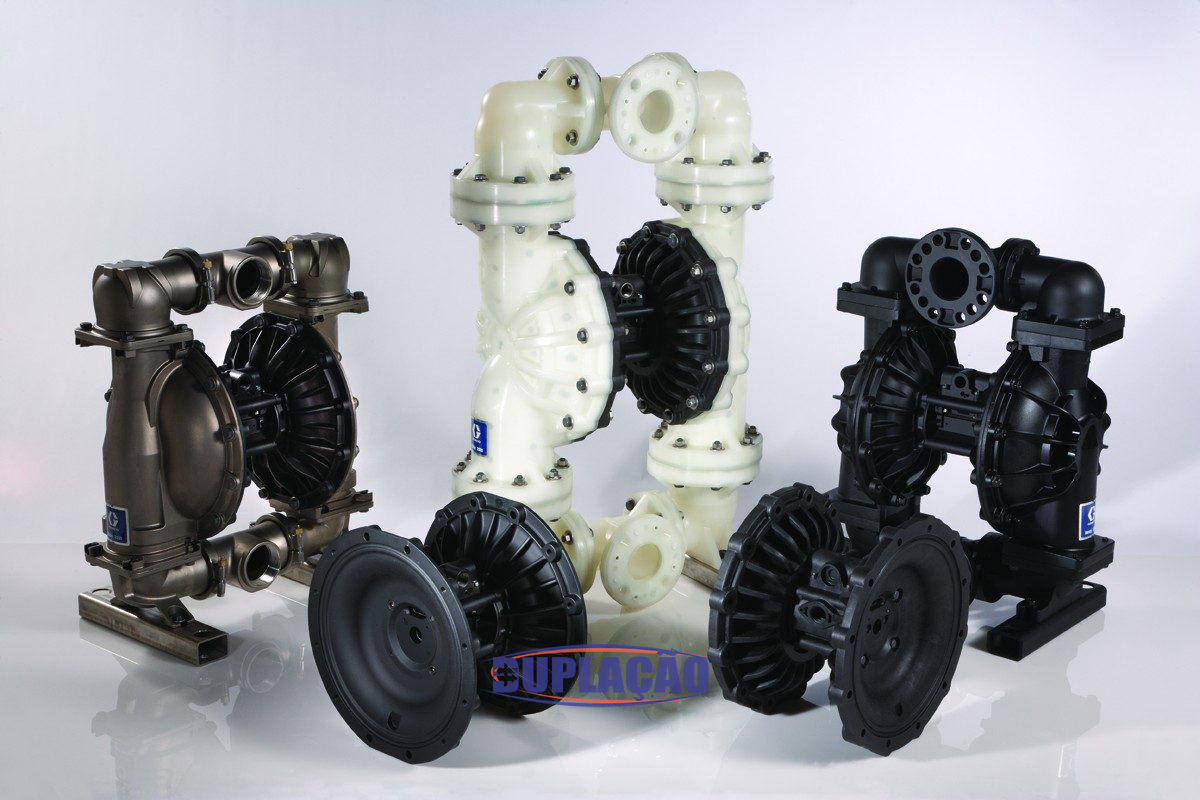
As pneumatic pumps They are versatile devices, widely used in various industries due to their ability to handle a variety of fluids. They work with compressed air, which causes a diaphragm to alternately flex, creating suction and discharge movements to pump the fluid. These pumps are often referred to as AODD (Dual Air Operated Pneumatic Pumps).

What is a Pump Curve?
The curve of bomba is a graphical representation that shows the performance capabilities of a pump at different flow rates and operating pressures. Analyzing this graph is essential to understand the full range of pump operating points. Technicians and engineers use this knowledge when selecting the most appropriate pump for a specific application. The curve of a pneumatic pump generally indicates the pressure and volume of air required for the pump to flow. bomba operate effectively.
Why Are Pneumatic Pump Performance Curves Important?
Performance curves are essential as they provide critical information about pump capabilities and efficiency under different operating conditions. Below are some reasons for its importance:
- Efficiency Optimization: The performance curve shows how the pump behaves at different flow rates and pressures. By analyzing the curve, engineers can identify the most efficient operating point, helping to reduce energy consumption and operating costs.
- Systems Design: Understanding the performance curve is crucial for designing fluid systems. Engineers can choose pumps that meet the flow rates and pressures required by the system.
- Problem Diagnosis: Performance curves are valuable tools for identifying problems in pump operation. If the pump is not delivering the expected flow or pressure, comparing its actual operating point to the curve can help locate the cause of the problem.
- Predictive maintenance: Monitoring pump performance over time allows operators to anticipate maintenance needs. Regular comparisons between actual performance and the curve help detect early deviations.
- Selection Criteria: Performance curves help in selecting the ideal pump for a specific application, allowing you to compare different models.
- Optimal Operation: Operating a pump outside its recommended performance range can cause inefficiencies and damage. The performance curve helps operators understand the pump's limits.
Important Components of a Pneumatic Pump Curve
A pneumatic pump curve has several key components that provide crucial information about its performance. The main ones are:
- Flow Rate (Q): Represents the volume of fluid that the pump can deliver at different operating pressures.
- Height (H): Measures the pressure that the pump can generate, indicating its ability to overcome resistance in the system.
- Operating Pressure Range: Indicates the range of pressures at which the pump effectively operates.
- Maximum Height: Point where the pump reaches maximum pressure.
- Maximum Flow Rate: Indicates the highest flow rate that the pump can deliver.
- Efficiency: Shows how effectively the pump converts input energy into useful work.
- Air Consumption: Informs about the amount of compressed air required to operate the pump at a given flow and pressure.
Pneumatic Pump Curve Interpretation
Interpreting the curve of a pneumatic pump involves understanding its performance characteristics under different operating conditions. Below are some guidelines on how to interpret it:
- Curva Q-H: The Q-H curve shows the relationship between flow rate and pressure. As pressure increases, the flow rate tends to decrease, as the pump has to work harder to maintain flow.
- Operating Range: The curve helps identify the area where the pump can provide the required flow rate against the required pressure.
- Maximum Pressure and Flow: Indicates the maximum that the pump can reach under ideal conditions, represented by the highest point of the curve.
- Air Pressure: The curve may include different traces corresponding to different air pressures. Increasing air pressure generally increases both the flow rate and pressure capacity of the pump.
- Efficiency: Although not always explicitly on the curve, efficiency is an important factor and often decreases as the pump operates outside its design parameters.
- Curve Slope: The slope indicates the sensitivity of the pump to pressure changes. A steeper slope suggests that small changes in pressure result in large changes in flow.
- System Requirements: Considering system specifications, such as flow, pressure and fluid properties, is essential for correct pump selection.
- Safety Margin: It is advisable to operate the pump with a margin below the maximum pressure and flow indicated on the curve, avoiding overloads and ensuring a prolonged useful life.
Tips for Optimizing Operations
- Select the Right Pump: Choose a pump that meets your application specifications in terms of flow, pressure and fluid compatibility.
- Operate in Optimized Conditions: Try to operate the pump near its maximum efficiency point to minimize energy consumption and maximize performance.
- Monitor Performance: Use instruments such as flow and pressure gauges to track pump performance, quickly identifying any deviations.
- Implement Maintenance Practices: Follow maintenance recommendations, including regular inspections and replacement of worn components, to ensure pump reliability.
- Consider System Dynamics: Consider pumping system dynamics, such as pipe friction and fluid properties, when interpreting curves and optimizing operations.
Do you need specialized advice?
If you have questions or need guidance on pneumatic pump technology, our team of experts is on hand to help. Get in touch with Duplation to boost your pumping solutions.