Common errors when installing thermometers, such as inadequate choice of location and lack of calibration, can compromise the accuracy of measurements. Ensuring correct installation is crucial to avoid negative consequences, such as wrong decisions and financial losses.
Installing thermometers may seem simple, but some **common thermometer installation mistakes** can cause a lot of headaches. Understanding these errors and how to correct them is critical to ensuring accurate and effective measurements. In this article, we will discuss the main mistakes people make when installing thermometers and how you can avoid them.
Main mistakes when installing thermometers
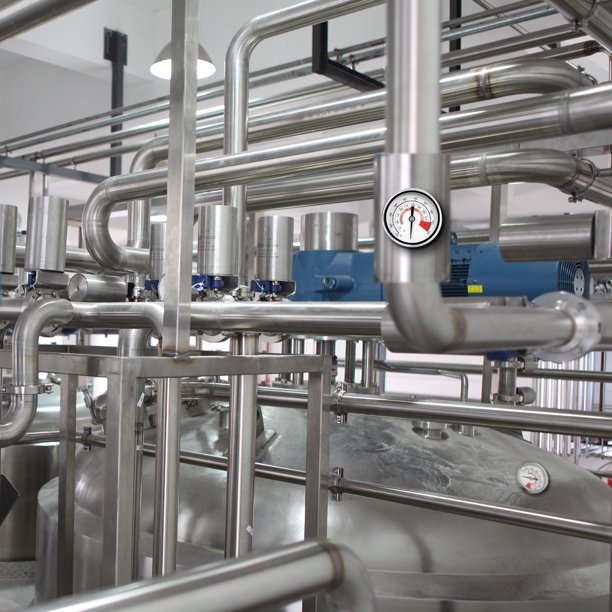
When installing thermometers, it is crucial to avoid some common mistakes which may compromise the accuracy of measurements. One of the main mistakes is the inappropriate choice of location installation. Thermometers should be placed in places where the temperature is representative of the environment you want to measure, away from sources of heat or cold, such as windows or equipment that generates heat.
Another common mistake is the lack of calibration of the thermometer before installation. Calibration ensures that the device provides accurate readings. It is recommended to follow the manufacturer's instructions to calibrate the thermometer correctly.
In addition, the incorrect installation of the thermometer, such as not securing it properly or not using the appropriate holders, can lead to inaccurate readings. Make sure the thermometer is well positioned and secure.
Finally, do not check the thermometer compatibility with the installation environment is an error that can result in failures. Different types of thermometers are designed for different conditions, such as humidity or pressure, and choosing the wrong model can compromise monitoring effectiveness.
How to identify installation failures
Identifying flaws in thermometer installation is essential to ensure accurate measurements. One of the first steps is check the position of the thermometer. It must be installed in a location where the ambient temperature is representative. If the thermometer is close to sources of heat or cold, the readings may be affected.
Another way to identify failures is monitor readings. If the thermometer shows unexpected variations or readings that don't make sense, this could indicate a problem with the installation. Comparing measurements to other thermometers can help validate accuracy.
In addition, it is important inspect calibration of the thermometer. If it is not calibrated correctly, readings may be inaccurate. Carrying out regular calibrations, according to the manufacturer's recommendations, is essential.
Finally, the checking connections and supports is crucial. Make sure all connections are tight and the thermometer is securely attached. A loose thermometer can result in incorrect readings and compromise monitoring effectiveness.
Practical tips for effective installation
To guarantee a effective installation of thermometers, some practical tips can be very useful. First, always read the manufacturer's manual before starting the installation. Each model may have different specifications and recommendations that are crucial to the success of the installation.
Then choose one suitable location for installation. The thermometer must be placed in an environment where the temperature is stable and representative. Avoid areas with drafts, direct sunlight or proximity to equipment that generates heat.
Another important tip is use appropriate tools during installation. Improper tools may damage the thermometer or result in incorrect installation. Make sure you have everything you need on hand before you start.
Furthermore, it is essential carry out tests after installation. Check that the thermometer is working properly and that the readings are within the expected range. This helps identify problems early and ensures the equipment is ready for use.
Impact of errors in temperature measurement
Os errors when installing thermometers can have a significant impact on temperature measurement. When a thermometer is not installed correctly, readings may be inaccurate, leading to wrong decisions in critical processes. For example, in industrial environments, an incorrect measurement can affect product quality and operational safety.
In addition, the lack of calibration may result in readings that do not reflect the actual temperature of the environment. This is especially problematic in industries such as pharmaceuticals and food, where accuracy is vital for compliance with safety standards.
Another aspect to consider is that measurement errors can generate financial losses. If a thermometer indicates the wrong temperature, it can lead to wasted resources, such as energy or materials, and even damage to equipment.
Finally, confidence in measurements is crucial. If users do not trust thermometer readings due to frequent errors, it may result in erosion of reputation of the company and loss of customers. Therefore, ensuring correct installation is essential to avoid these problems.
Importance of Correct Thermometer Installation
Installing thermometers correctly is essential to ensure accurate and reliable measurements. Installation errors can lead to inaccurate readings, affecting product quality and operational safety.
Furthermore, calibration and choice of installation location are crucial factors that should not be neglected. By following best practices, you can avoid problems and ensure your thermometer works effectively.
Finally, confidence in measurements is fundamental to the success of any operation. Therefore, invest time and attention in properly installing thermometers to ensure accurate results and avoid unwanted consequences.
FAQ – Frequently asked questions about thermometer installation
What are the most common mistakes when installing thermometers?
The most common errors include poor location selection, lack of calibration and incorrect installation.
How can I identify faults when installing a thermometer?
Check thermometer position, monitor readings, and inspect calibration regularly.
How important is thermometer calibration?
Calibration ensures that the thermometer provides accurate readings, essential for the safety and quality of processes.
How can I ensure effective thermometer installation?
Read the manufacturer's manual, choose a suitable location and use appropriate tools during installation.
What are the consequences of errors in temperature measurement?
Errors can lead to wrong decisions, financial losses and damage to the company's reputation.
What to do if the thermometer is not working properly?
Check the installation, perform calibration and, if necessary, consult a specialized technician for assistance.