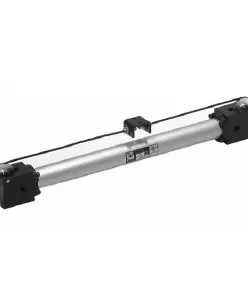
Pneumatic pumps are ideal for harsh industrial environments, offering efficiency, resistance and low maintenance. They are widely used in applications such as material transport, painting and chemical processes, ensuring reliable performance in challenging conditions.
As Advantages of pneumatic pumps in harsh industrial environments are undeniable. These systems not only guarantee efficiency, but also withstand extreme conditions that often compromise other types of equipment. What makes pneumatic pumps the ideal choice for industries that require robustness and functionality? Let's explore its characteristics and applications in a clear and objective way.
What are pneumatic pumps?
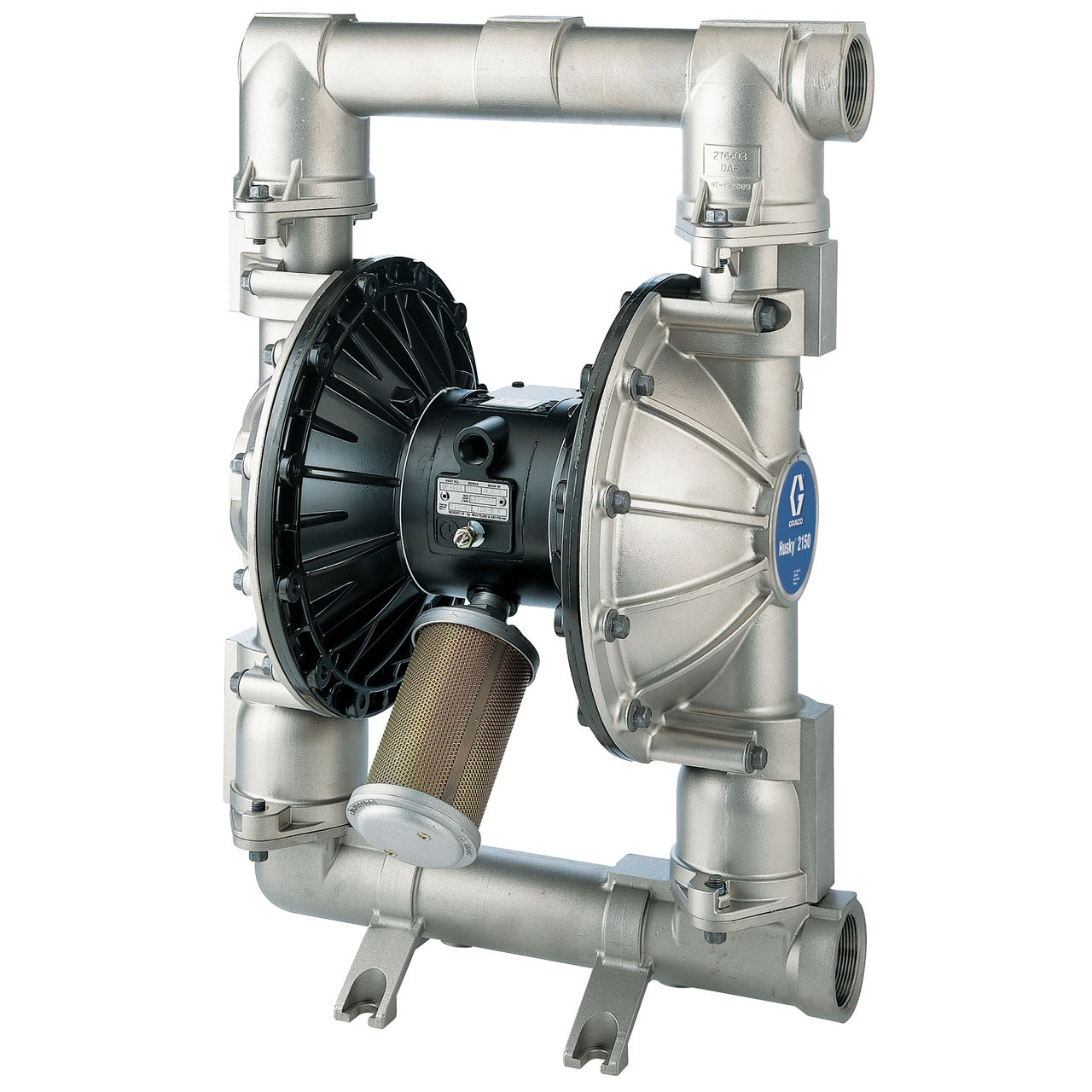
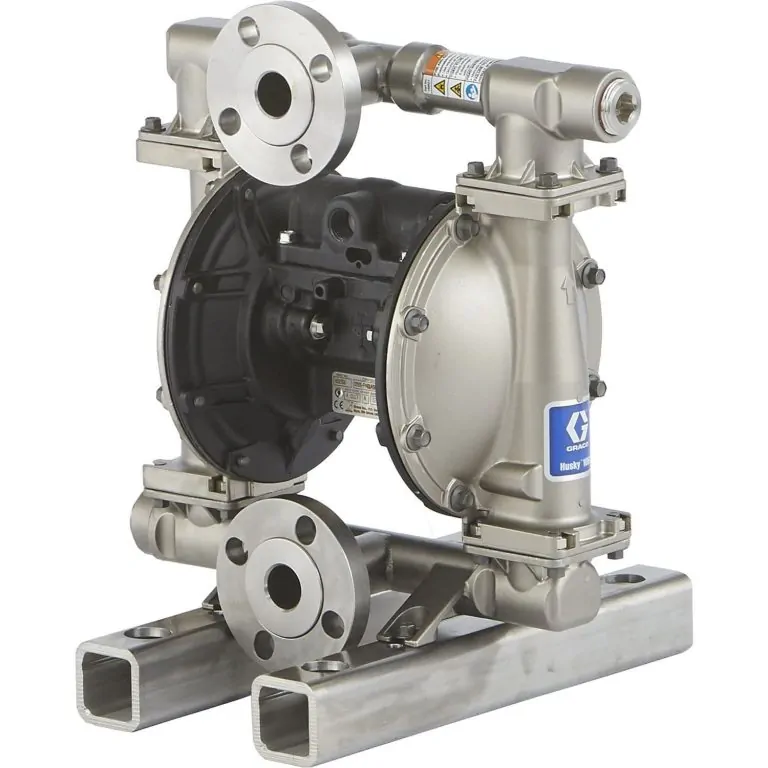
As pneumatic pumps are devices that use compressed air to move fluids. They are widely used in various industries due to their efficiency and versatility. The operation of these pumps is based on air compression, which is used to create a vacuum or pressure, allowing the fluid to be moved from one point to another.
How pneumatic pumps work
These pumps operate through a diaphragm or piston system, where compressed air is introduced into a chamber, creating pressure that pushes the fluid. This process is highly efficient and can be adjusted to meet different flow and pressure needs.
Advantages of pneumatic pumps
One of the main advantages of pneumatic pumps is their ability to operate in harsh environments where other types of pumps may fail. They are corrosion resistant and can handle viscous and abrasive fluids, making them ideal for challenging industrial applications.
Common applications
Pneumatic pumps are used in a variety of applications, including liquid transportation, industrial painting, and lubrication systems. Their ability to operate reliably in harsh conditions makes them a popular choice in industries such as mining, construction and manufacturing.
Main advantages of pneumatic pumps
As pneumatic pumps offer several advantages that make them a preferred choice in industrial environments. One of the main advantages is its energy efficiency. They use compressed air, which is a clean and abundant source of energy, resulting in lower operating costs.
Resistance to Severe Conditions
These pumps are designed to operate in harsh conditions such as high temperatures and corrosive environments. This makes them ideal for industries that deal with aggressive chemicals or abrasive fluids.
Low maintenance
Pneumatic pumps require less maintenance compared to other types of pumps. This is due to its simple construction and the absence of complex moving parts, which reduces wear and tear and extends the useful life of the equipment.
Application Versatility
They are extremely versatile and can be used in a wide range of applications, from liquid transport to industrial painting. This flexibility allows companies to adapt pumps to different processes and needs.
How pneumatic pumps work in harsh environments
As pneumatic pumps are designed to operate effectively in harsh environments, where other pumps may fail. The operation of these pumps is based on air compression, which generates enough pressure to move fluids reliably.
Principle of operation
These pumps utilize a diaphragm or piston system. When compressed air is introduced into the chamber, it pushes on the diaphragm or piston, creating a vacuum that sucks fluid into the chamber. bomba. This process is repeated continuously, allowing a constant flow of liquid.
Resistance to Adverse Conditions
Pneumatic pumps are manufactured from corrosion- and wear-resistant materials, making them ideal for environments with aggressive chemicals or extreme temperatures. This ensures that they maintain their efficiency and functionality even in challenging conditions.
Flow and Pressure Control
One of the benefits of pneumatic pumps is the ability to adjust flow and output pressure. This is crucial in harsh environments where needs can vary quickly. Precise control allows industries to adapt pump performance to process demands.
Practical applications in heavy industries
As pneumatic pumps have a wide range of practical applications in heavy industries, where efficiency and endurance are crucial. These pumps are often used in processes that require the transport of heavy and abrasive fluids, due to their robustness and reliability.
Material Transport
One of Main applications of pumps pneumatics is used to transport materials such as cement, sand and other aggregates. They can move these materials efficiently, even over long distances, without compromising the integrity of the product.
Painting and Coating
In the painting industry, pneumatic pumps are used to apply coatings in a uniform and controlled manner. They allow precise control of the flow, ensuring that the application is carried out efficiently and with less material waste.
Chemical Processes
Pneumatic pumps are also essential in chemical processes, where handling corrosive liquids is common. Their resistance to aggressive chemicals makes them ideal for transporting substances that could damage other types of pumps.
Lubrication Systems
In heavy industrial environments, proper machine lubrication is vital. Pneumatic pumps are often used in centralized lubrication systems, ensuring that all moving parts receive the appropriate amount of lubricant, extending the life of the equipment.
Final Thoughts on Pneumatic Pumps
As pneumatic pumps are an effective and reliable solution for various applications in harsh industrial environments. Their energy efficiency, resistance to adverse conditions and low maintenance requirements make them ideal for heavy industries.
With a wide range of applications, from material transport to lubrication systems, these pumps play a crucial role in optimizing industrial processes. By choosing pneumatic pumps, companies can ensure superior performance and safer operation.
Therefore, investing in pneumatic pumps is a smart decision for any industry that seeks efficiency and durability in its processes.
FAQ – Frequently asked questions about pneumatic pumps in industrial environments
What are the main advantages of pneumatic pumps?
Pneumatic pumps offer energy efficiency, resistance to harsh conditions and low maintenance requirements, making them ideal for heavy industries.
How do pneumatic pumps work in harsh environments?
They use compressed air to move fluids, operating reliably in harsh conditions such as high temperatures and corrosive environments.
Quais são as aplicações práticas das bombas pneumáticas?
These pumps are used in material transportation, industrial painting, chemical processes and lubrication systems.
Are pneumatic pumps easy to maintain?
Yes, they require less maintenance compared to other types of pumps due to their simple and durable construction.
How long do pneumatic pumps last?
Pneumatic pumps are designed to last, resisting wear and corrosion, making them a reliable choice for industrial environments.
How do I choose the right pneumatic pump for my application?
It is important to consider factors such as fluid type, required pressure and environmental conditions to select the appropriate pump.