Pumps are essential devices in various applications, including agricultural irrigation and water supply systems. They guarantee fluid transport efficiency, precise flow control and are fundamental to optimizing industrial and agricultural processes.
As Main applications of pumps They cover a multitude of industries and processes that guarantee the essential efficiency and functionality for our daily lives. From irrigation on farms to complex water supply systems, bombs play a crucial role. In this article, we will explore the various applications and benefits of these indispensable machines, showing how they optimize operations in different sectors.
What are bombs and how do they work?
As bombs These are mechanical devices designed to move fluids from one place to another. They work using different physical principles such as pressure and suction to ensure that fluid is efficiently transported. There are several types of pumps, each suitable for specific applications, such as diaphragm pumps, centrifugal and gear.
Bombs operation principles
The basic functioning of a bomba involves creating a pressure difference. When the pump activates, it reduces the pressure inside your body, causing fluid to be drawn in. The pump then pressurizes the fluid and pushes it out through an outlet. This process is fundamental in several applications, from water supply to complex industrial systems.
Types of pumps
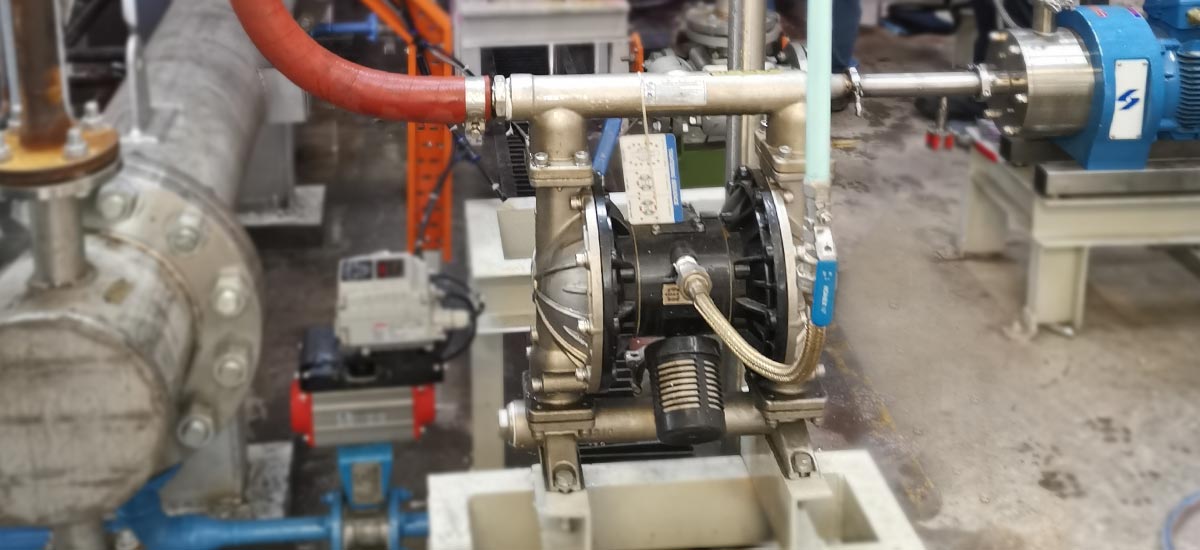
There are several types of pumps, each with unique characteristics. Centrifugal pumps, for example, are widely used in applications that require a continuous flow of liquid. Diaphragm pumps are ideal for transferring viscous or corrosive fluids as they offer precise control of the flow and prevent leaks.
Common Pump Applications
Pumps are used in a variety of sectors, including agriculture, construction, and chemical industries. In agriculture, for example, they are essential for irrigation and water transport. In industry, they are used to move chemicals and cooling processes.
MAINTENANCE AND CARE
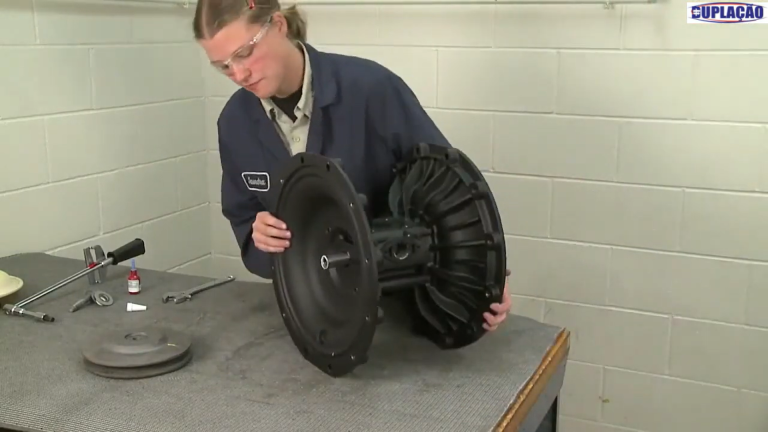
To ensure the efficient functioning of bombs, it is essential to perform regular maintenance. This includes checking leaks, replacing worn parts and ensuring that the filters are clean. A well -maintained pump not only increases efficiency, but also prolongs the life of the equipment.
Main types of pumps used in the industry
In industry, there are several types of bombs which are used to meet different fluid movement needs. Each pump type has specific characteristics that make it more suitable for certain applications. Below we present the main types of pumps used in the industry.
Centrifugal bombs
Centrifugal pumps are the most common in industry. They work using a rotor that spins rapidly, creating a centrifugal force that drives the fluid out. These pumps are ideal for applications that require continuous flow and are often used in water supply systems and chemical processes.
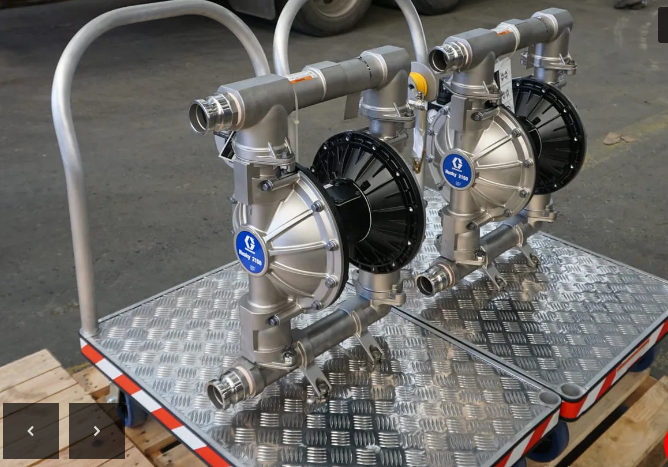
Diaphragm pumps
Diaphragm pumps are known for their ability to handle viscous and corrosive liquids. They use a flexible diaphragm that moves back and forth, creating a suction that pulls the fluid into the pump. These pumps are widely used in chemical and pharmaceutical industries, where accuracy and safety are essential.
Gear pumps
Gear pumps are designed to transfer high viscosity fluids. They work through the movement of gears that push the fluid through the pump. These pumps are often used in applications involving oils and lubricants, ensuring a constant and controlled flow.
Peristaltic bombs
Peristaltic pumps are ideal for applications that require the movement of sensitive fluids, as in biotechnology processes. They work by compressing a flexible tube, which allows the fluid to be pushed out without contacting the mechanical parts of the pump. This minimizes the risk of contamination.
Submersible pumps
Submersible pumps are designed to operate underwater. They are often used in drainage systems and water wells. These pumps are efficient and can handle liquids containing suspension solids, making them ideal for construction and mining applications.
Advantages of using pumps in processes
The use of bombs In industrial processes it offers several advantages that can optimize the efficiency and safety of operations. Below, we highlight some of the main advantages that pumps provide.
Fluid transportation efficiency
Pumps are designed to move fluids quickly and efficiently, reducing the time required for transfers. This is especially important in industries where time is a critical factor, such as food and beverage production.
Precise control of the flow
One of the great advantages of pumps is the ability to control the flow of fluids accurately. This allows industries to adjust the amount of liquid being transported, ensuring that the processes are performed consistently and within the desired specifications.
Loss and waste reduction
With the use of pumps, it is possible to minimize losses and waste of materials. Well designed and maintained pumps ensure that the fluid is efficiently transferred, reducing the risk of leaks and contamination.
Versatility in applications
Pumps can be used in a wide variety of applications, from water transport to the movement of chemicals and viscous. This versatility makes them indispensable in various sectors, such as chemical, pharmaceutical and petrochemical.
Ease of maintenance
Modern bombs are designed to be easy to maintain, which helps reduce inactivity time and operating costs. Regular maintenance ensures that pumps work efficiently and prolong their useful life.
Pump applications in agriculture and irrigation
As bombs They play a crucial role in agriculture and irrigation, ensuring that plants receive the proper amount of water and nutrients. Next, we explore the main applications of bombs in these sectors.
Drip irrigation
One of the most efficient applications of bombs in agriculture is the drip irrigation system. This method allows water to be provided directly to plant roots, minimizing waste and maximizing absorption. Pumps are used to pressurize the system and ensure that water reaches each drip.
Sprinkling irrigation
Pumps are also essential in sprinkling irrigation systems, where water is sprayed over plants. This method is ideal for large areas and allows uniform coverage. Pumps help maintain the pressure required for water to be distributed effectively.
Water transportation
In addition to irrigation, pumps are used to transport water from fonts, such as wells or rivers, to the agricultural fields. This is especially important in regions where water is scarce. Pumps ensure that water is available for irrigation, even in periods of drought.
Fertilizer Application
Pumps are also used to apply liquid fertilizers. Fertigating systems combine irrigation with nutrient application, allowing farmers to provide fertilizers directly to plant roots. This improves the efficiency of fertilizer use and promotes healthy growth of cultures.
Water level control
In areas where water level control is necessary, such as swamps or flooded areas, pumps are used to drain or maintain water at proper levels. This helps prevent flooding and ensures that soil conditions are ideal for cultivation.
Pumps in water supply systems
As bombs They play a key role in water supply systems, ensuring that drinking water comes efficiently and reliablely to homes and industries. Next, we discuss the main functions and applications of pumps in these systems.
Water capture
Pumps are used to capture water from sources such as rivers, lakes and wells. This process is essential to ensure that there is a constant water supply available for treatment and distribution. Submersible and surface pumps are often employed at this stage.
Water treatment
After capture, water usually undergoes a treatment process to remove impurities and ensure that it is in accordance with potability standards. Pumps are used to move water through different stages of treatment, such as filtration and disinfection.
Water distribution
Once treated, water needs to be distributed to consumer areas. Pressure pumps are essential in this process, as they ensure that water reaches all points of the supply network, even in high or distant land.
Pressure control
Pressure control is vital in water supply systems. Pressure control pumps are used to maintain adequate pressure on the net, avoiding leaks and ensuring that water flows efficiently. This is especially important in areas with demand variations.
Maintenance and Monitoring
Pumps in water supply systems require regular maintenance to ensure its efficient operation. Monitoring systems are often implemented to detect flaws and optimize pump performance, ensuring that water supply is continuous and reliable.
FINAL CONSIDERATIONS ABOUT PUMPS AND THEIR APPLICATIONS
Pumps are essential in various industries and applications, from agriculture to water supply. They guarantee efficiency, control and safety in processes that depend on fluid transport.
Understanding the different types of pumps and their applications allows companies and farmers to optimize their operations, reduce waste and improve productivity. Proper maintenance and constant monitoring are critical to ensuring that these systems work effectively.
Investing in quality pump technology and maintenance practices can bring great benefits, ensuring that operations are sustainable and efficient in the long run.
FAQ - Frequently asked questions about pumps and their applications
What are the main types of bombs used in the industry?
The main types of pumps include centrifugal, diaphragm, gear, peristaltic and submersible pumps, each with specific applications.
How do bombs help in agricultural irrigation?
Pumps are used to transport water to irrigation systems such as drip and sprinkling, ensuring that plants receive the proper amount of water.
What is the importance of pumps in water supply systems?
Pumps are essential to capture, treat and distribute water, ensuring that it efficiently reaches homes and industries.
How can I guarantee the efficiency of pumps in my operation?
Regular maintenance and constant monitoring are fundamental to ensure that pumps work efficiently and prolong their useful life.
What are the advantages of using pumps in industrial processes?
Pumps offer fluid transportation efficiency, precise flow control, loss and waste reduction, as well as versatility in applications.
Can pumps be used to apply fertilizers?
Yes, pumps are often used in fertigation systems, allowing the application of liquid fertilizers directly to plant roots.