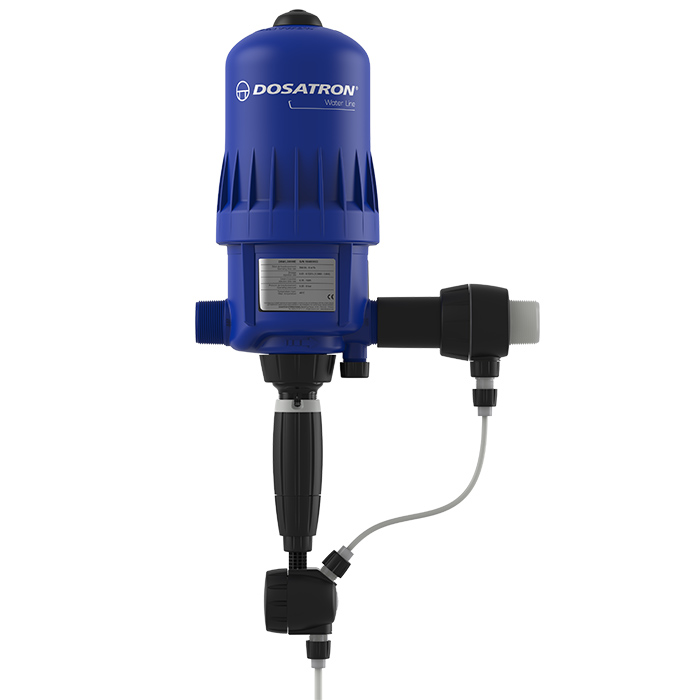
Pneumatic solvent pumps are essential in several industries, offering safety and efficiency in handling volatile liquids. Regular maintenance and proper selection ensure optimal performance and extend the life of the equipment, making them a reliable solution for industrial applications.
If you are in the market for pneumatic pumps for solvents, you know that the correct choice is essential. These devices are essential to ensure efficiency and safety in the handling of chemical substances. In this article, we will discuss everything you need to know about pneumatic pumps, from their advantages and applications to how to perform proper maintenance to ensure they work properly.
What is a pneumatic solvent pump?
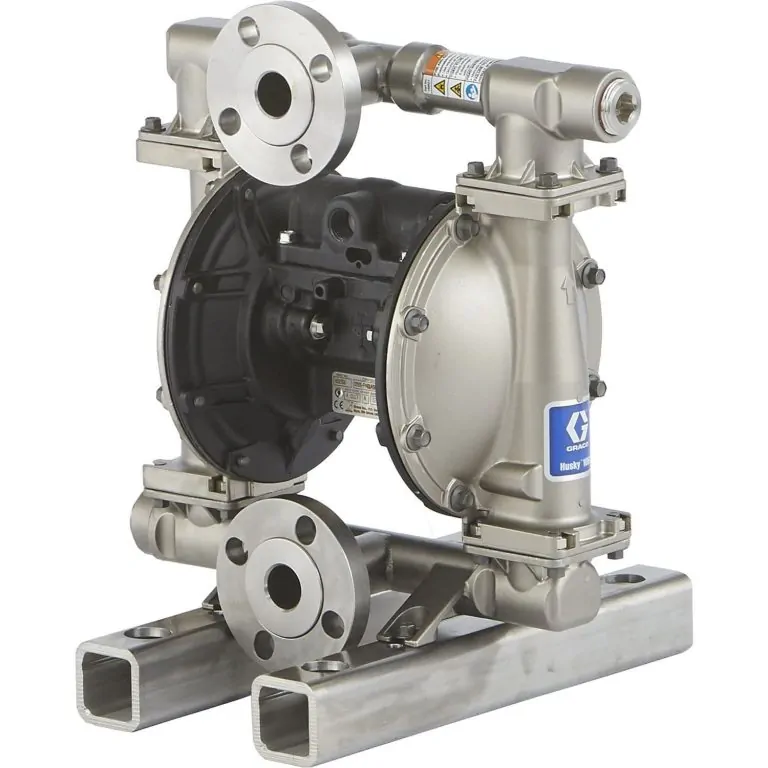
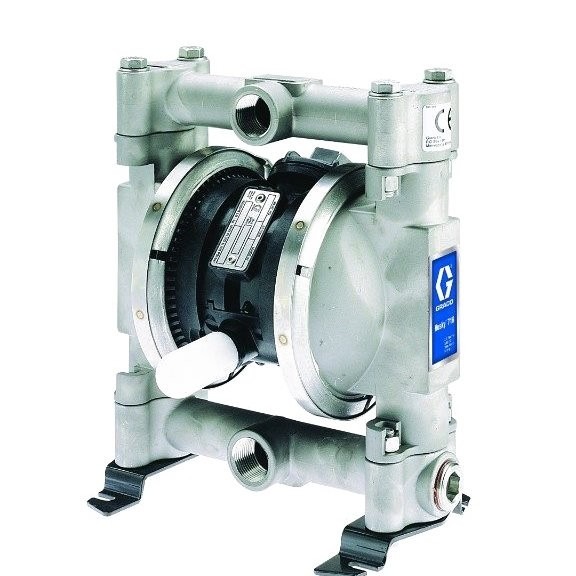
One bomba pneumatics for solvents is a device designed to transfer liquids, especially solvents, using compressed air as an energy source. These pumps are widely used in chemical, pharmaceutical and painting industries where safe handling of volatile substances is crucial.
These pumps work through a diaphragm or piston system, which moves to create negative pressure, pulling liquid into the pump and then pushing it out. This allows precise control of flow and pressure, making them ideal for applications that require high efficiency and safety.
Characteristics of Pneumatic Solvent Pumps
Pneumatic pumps are designed to withstand harsh environments and are often made from materials such as stainless steel or chemical-resistant plastics. Furthermore, they offer the advantage of not requiring electricity, which makes them safe for use in areas where there is a risk of explosion.
Advantages of Using Pneumatic Pumps
One of the main advantages of pneumatic pumps is their ability to operate at high pressures and temperatures, in addition to being easily adjustable for different solvent viscosities. This makes them versatile and suitable for a wide range of industrial applications.
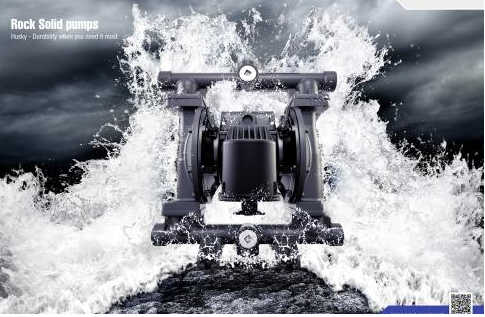
Additionally, pneumatic pumps are known for their durability and low maintenance requirements, which results in lower long-term operating costs.
Advantages of pneumatic pumps over other types
As pneumatic pumps offer several advantages compared to other types of pumps, especially in industrial applications. One of the main advantages is its ability to operate in environments where electricity can pose a risk, such as in areas with flammable vapors. This makes them a safe choice for handling solvents and other volatile liquids.
Another significant advantage is the energy efficiency. Pneumatic pumps use compressed air, which can be generated economically and sustainably. This not only reduces operating costs, but also minimizes environmental impact.
Durability and Maintenance
Pneumatic pumps are known for their durability. They have fewer moving parts compared to electric pumps, which results in less wear and, consequently, less need for maintenance. This translates into fewer unscheduled stops and longer uptime.
Versatility
These pumps are extremely versatile and can handle a wide range of viscosities and fluid types. This makes them suitable for a variety of applications, from transferring solvents to moving more viscous liquids such as paints and adhesives.
Flow Control
Pneumatic pumps also offer excellent flow control. This is crucial in processes that require precision when dosing liquids. Air pressure adjustment allows operators to easily control flow rate, ensuring process specifications are met.
How to choose the ideal pneumatic pump
Choose the ideal pneumatic pump For its application involves considering several important factors. Firstly, it is essential to understand the characteristics of the liquid that will be pumped, such as viscosity, temperature and chemical composition. These factors directly influence the selection of the pump type and construction materials.
Another aspect to be considered is the flow rate necessary for its operation. It is important to calculate the amount of liquid that needs to be transferred in a given period as this will help determine the size and capacity of the pump.
Operating Pressure
Operating pressure is also a crucial criterion. Pneumatic pumps should be selected based on the maximum pressure the system can withstand. Check the manufacturer's specifications to ensure the pump you choose meets these requirements.
Work Environment
The environment where the pump will be installed must be taken into account. If the pump is in a location with risk of explosion or in adverse conditions, it is essential to choose models that meet specific safety standards and are manufactured with corrosion-resistant materials.
Ease of maintenance
Also consider how easy the pump is to maintain. Models that have fewer moving parts and are designed for simple maintenance can reduce downtime and operating costs. Check whether the manufacturer offers technical support and affordable replacement parts.
Finally, it is recommended that you consult an expert or trusted supplier for guidance on the most suitable pneumatic pump for your specific needs. This will ensure you make an informed choice that meets the requirements of your process.
Common Applications of Pneumatic Solvent Pumps
As pneumatic pumps for solvents They are widely used in various industries due to their efficiency and safety in handling volatile liquids. Here are some of the most common applications:
Chemical industry
In the chemical industry, these pumps are often used to transfer solvents, acids and other chemicals. Their ability to operate in hazardous environments where electricity can be a risk makes them ideal for this application.
Painting Industry
Pneumatic pumps are essential in the painting industry where they are used to apply paints and coatings. They guarantee a uniform and controlled application, improving the quality of the finish and reducing material waste.
Pharmaceutical
In the pharmaceutical sector, pneumatic pumps are used to transfer liquids and solutions in manufacturing processes. The precision and security they offer are crucial to guarantee the quality of the final products.
Food industry
Pneumatic pumps also find application in the food industry, where they are used to transfer liquid ingredients such as oils and syrups. They help maintain the integrity of products, preventing contamination.
Maintenance and Cleaning
In addition to their applications in production processes, pneumatic pumps are often used in maintenance and cleaning tasks. They can be used to remove waste and unwanted liquids efficiently and safely.
Maintenance of pneumatic pumps for solvents
A maintenance of pneumatic pumps for solvents is crucial to ensuring equipment efficiency and safety over time. A regular maintenance program helps prevent failures and extend pump life.
Regular inspections
Performing regular inspections is the first step in maintenance. Check for leaks, wear on parts and that all components are working properly. Inspecting the hoses and connections is essential to avoid problems during operation.
Cleaning
Cleaning the pump and its components is essential, especially in applications involving solvents. Residue can accumulate and affect performance. Use suitable cleaning products and follow the manufacturer's recommendations to ensure the pump remains in good condition.
Lubrication
Lubricating moving parts is another important part of maintenance. Use lubricants recommended by the manufacturer and apply them as needed. Proper lubrication reduces friction and wear, improving pump efficiency.
Replacement of parts
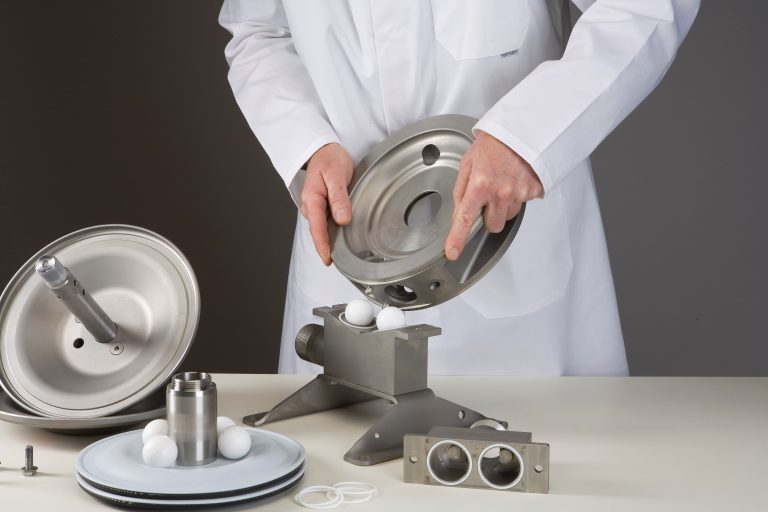
Over time, some parts may wear out and need replacement. Watch for signs of wear and replace components such as diaphragms, seals and valves when necessary. Using original spare parts guarantees the compatibility and efficiency of the equipment.
Team training
Finally, it is important that the team responsible for operating and maintaining the pumps is well trained. Knowledge about the operation and proper maintenance of equipment is essential to avoid errors that could lead to failures or accidents.
Final Considerations on Pneumatic Solvent Pumps
As pneumatic pumps for solvents They are essential in several industries, offering safety and efficiency in the handling of volatile liquids. When choosing the ideal pump, it is important to consider factors such as liquid characteristics, flow rate and working environment.
Regular maintenance is essential to ensure proper functioning and extend the life of the equipment. Inspections, cleaning and lubrication are practices that must be carried out frequently.
With the right knowledge and a good maintenance plan, your pneumatic pump can operate effectively, contributing to the productivity and safety of your operation. Therefore, invest in the appropriate choice and maintenance to maximize the benefits of pneumatic pumps in your company.
FAQ – Frequently asked questions about pneumatic solvent pumps
What are the main advantages of pneumatic solvent pumps?
Pneumatic pumps offer safety in hazardous environments, energy efficiency and durability, in addition to being versatile for different applications.
How do I choose the ideal pneumatic pump for my application?
Consider factors such as liquid characteristics, required flow rate, operating pressure and working environment when choosing the pump.
How important is the maintenance of pneumatic pumps?
Regular maintenance is crucial to ensure proper functioning, prevent failures and extend the life of the equipment.
What are the basic steps for maintaining pneumatic pumps?
Perform regular inspections, clean components, lubricate moving parts, and replace worn parts as necessary.
In which industries are pneumatic pumps commonly used?
They are widely used in the chemical, pharmaceutical, painting and food industries, among others.
How should staff be trained to operate and maintain pneumatic pumps?
Staff must receive training on the operation, maintenance and safety of pumps to ensure efficient and safe operations.