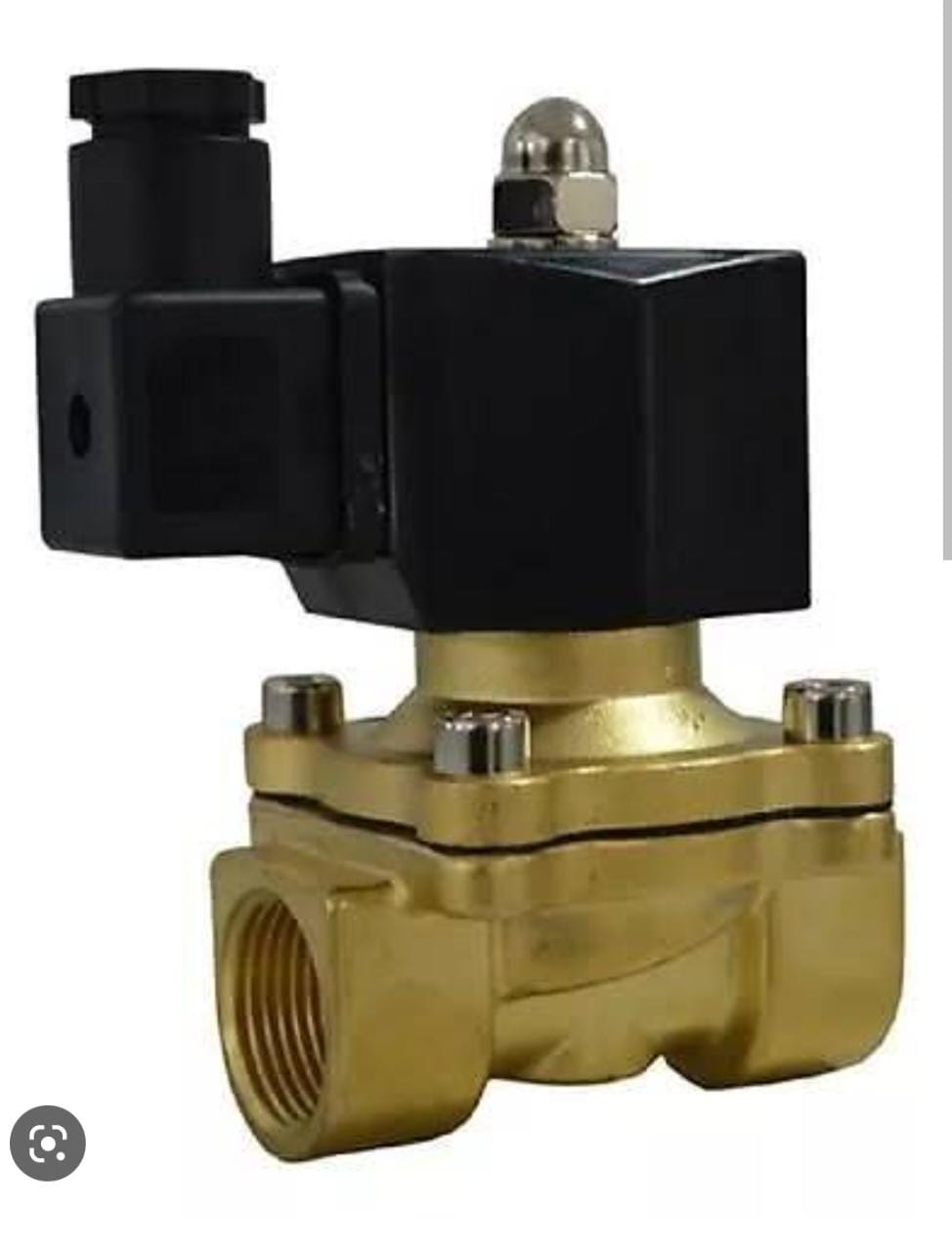
The solenoid valve is a tool widely used in industry, especially with the advancement of Industry 4.0. This resource can be applied in different areas and applications, being highly versatile and functional.
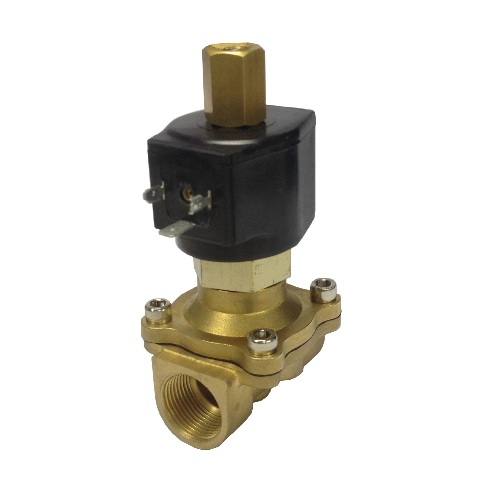
It consists of an electromechanical valve made up of two parts: the body and the solenoid coil. It also has a diaphragm flap and a cover, and its coil is manufactured with a coiled copper wire, with a free central area. The coil is the most important part of the valve.
This feature can be applied to pumping various types of fluids, such as gases, water, air, LPG, CNG, bag filters, oils, among others. In simple terms, when the electric current passes through the coil, a force is generated in the center of this structure, resulting in the activation of the valve. When the valve is activated, it allows fluids to pass through.
The solenoid valve is widely used in industrial automation processes, allowing fluid level control more efficiently. To achieve this, this valve opens whenever it is necessary to maintain an adequate level, bringing greater control to the industry.
They can also be applied to heat exchangers. With the help of a temperature sensor, the valve can be activated when the liquid reaches an unsuitable temperature for the process.
The solenoid valve can operate in different ways:
Direct operation: in direct operation, the liquid passes through an opening, which can be closed by a plunger. This plunger is made of a ferromagnetic material and has an electric coil. When this coil receives a charge of energy, the electric field generated pulls the plunger towards the center, allowing the fluid to pass.
Indirect Operation: in this case, the valve uses differential pressure to open and close. With the help of a rubber membrane (diaphragm) the valve can control the entry and exit of fluids.
Semi-direct operation: in this mode, the valve can combine direct and indirect operations to operate. It also has a diaphragm that is connected to the solenoid symbol. This tool is essential for industries that want to add more technology to their operations.