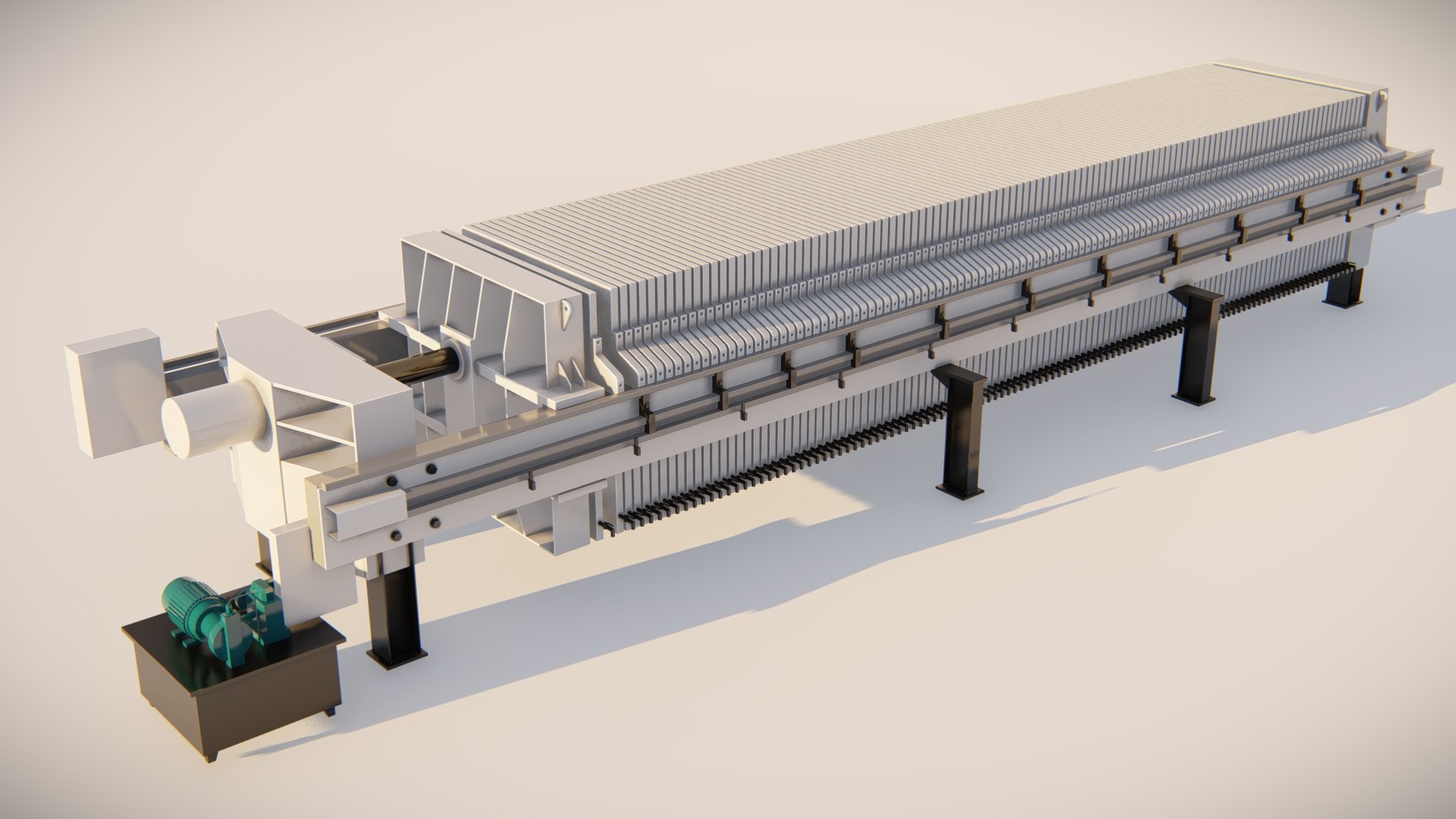
The press filter has gained its space in industrial liquid handling applications worldwide almost a century ago. Recognized by their conception and operation, prense filters have become essential tools in separation processes, especially where solids must be removed from a liquid flow. The separate sludge as the liquid loaded with solids crosses the prense filter can be easily eliminated, allowing the clean liquid to advance to the next step of the production process or recycled for additional processing.
Industrial water and wastewater treatment are areas where the prense filters have shown their value from the beginning. In these applications, where large volumes of solids and liquids need to be separated daily, the prense filter stands out due to its operating method. As solid -laden mud is pumped into the press, two cameras are filled, facilitating the formation of thick mud cakes. As the cameras fill, the pressure increases, and when they reach the maximum capacity, the liquid is filtered with the help of compressed air chains or water. This process of dehydration results in solid mud or ready -made mud cakes for disposal.
A significant advantage of this process for water/wastewater treatment plant operators is the reduction in the amount of waste to be eliminated. Instead of dealing with large volumes of damp slide, the result is a neutralized water flow and a small amount of cake, which reduces elimination costs.
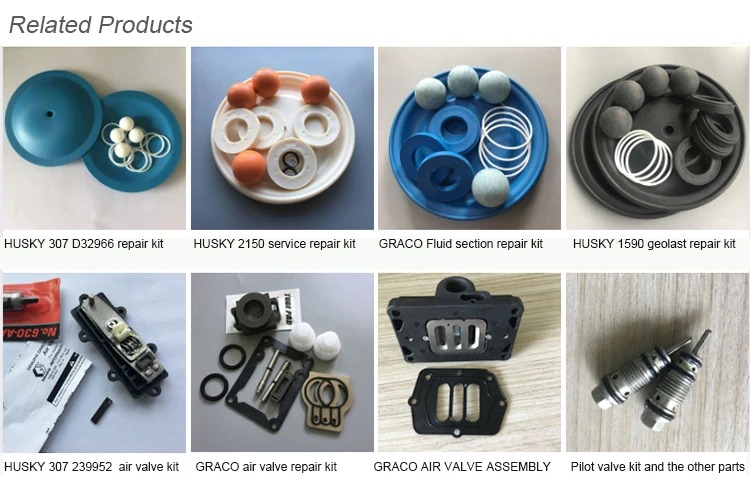
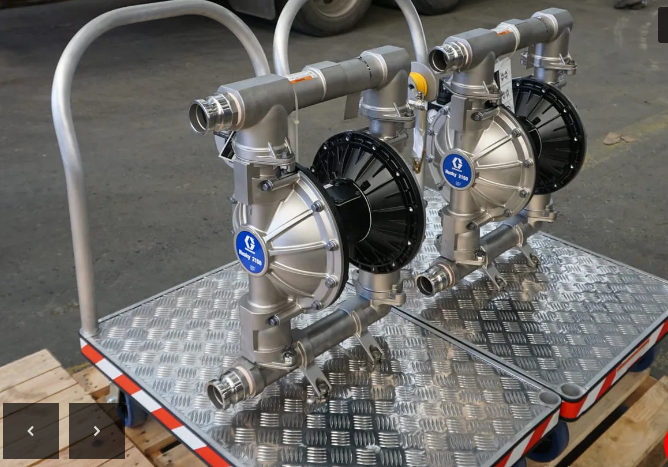
Although they have demonstrated admirable performance in traditional industrial applications, recently innovative manufacturers, many of which require hygienic and sanitary operating conditions, found that prense filters can further optimize operations using pneumatic diaphragm pump.
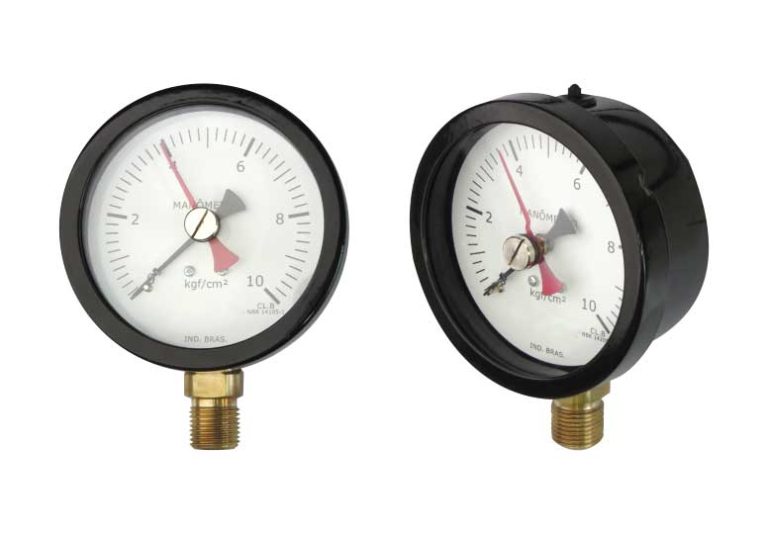
To ensure effective functioning, prense filters require good filtration and constant system pressure to prevent the destruction of flakes that form the mud cakes. Generally, high pressures are required. In addition, the prense filter process in the treatment of water/wastewater requires the use of various types of auxiliary fluids such as abrasive lime milk and a variety of alkaline. It is essential to have reliable pumping technology without leakage, compatible with a wide range of liquid types.
As High pressure diaphragm pumps graco husky hp They have pressure rate 2: 1, and up to 17 pressure bar can reach.
Know more: