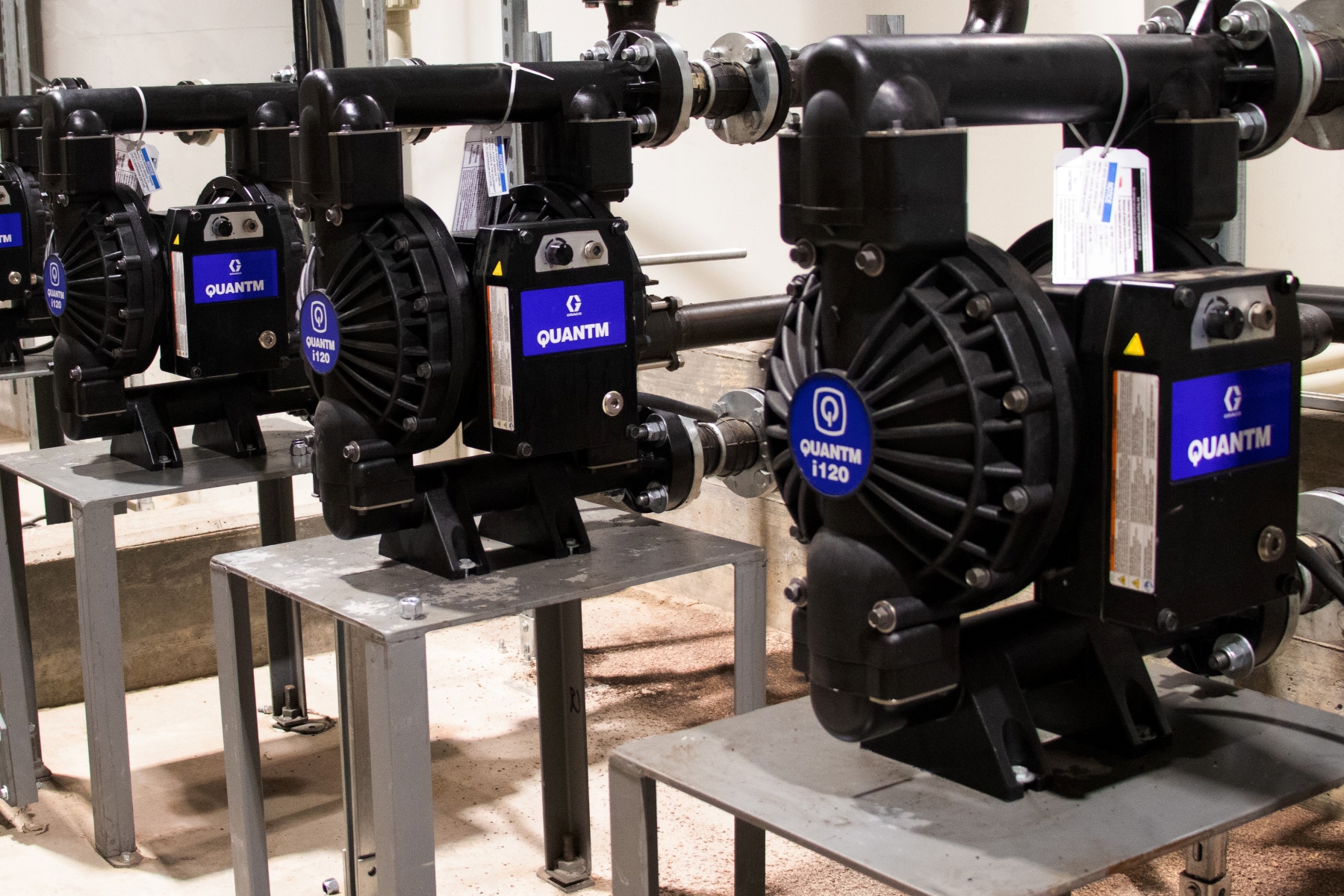
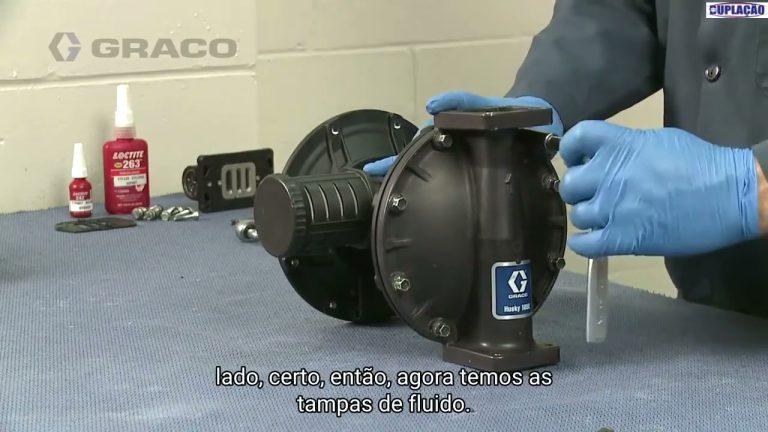
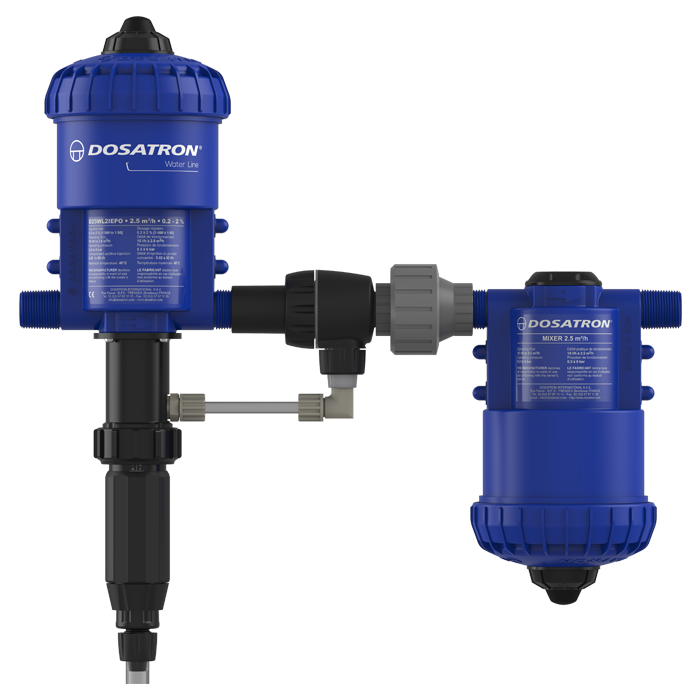
Understanding the relationship between pressure and flow in pneumatic pumps is crucial to optimizing industrial performance. Measuring these parameters with pressure gauges and flowmeters guarantees efficiency, prevents failures and extends the useful life of the equipment.
Understanding **pressure and flow** is essential to optimize the performance of **pneumatic pumps** in various industrial applications. In this article, we will discuss the importance of understanding these forces and how they interact to ensure efficiency and productivity. If you want to maximize the performance of your pumps, read carefully!
What is Pressure and Flow?
A pressure is the force exerted per unit area and is measured in pascals (Pa) or psi (pounds per square inch). In pneumatic systems, pressure is crucial for the proper functioning of the pneumatic pumps. On the other hand, the flow refers to the volume of fluid that passes through a point in a given period, measured in liters per minute (L/min) or cubic meters per hour (m³/h).
Both concepts are interdependent. Pressure can affect flow and vice versa. For example, in a bomba In pneumatic systems, an increase in pressure can result in an increase in flow, as long as the system is designed to withstand these conditions. It is important to understand how these factors interact to optimize system performance.
In addition, the flow It is an indicator of system efficiency. If the flow rate is lower than expected, it may be a sign that there are blockages or problems with the pump. Therefore, monitoring both pressure and flow is essential to ensure efficient operation of pneumatic pumps.
Importance of Pneumatic Pump Performance
O pneumatic pump performance is crucial to the efficiency of industrial systems. A pump that operates optimally can reduce operating costs and increase productivity. Performance is influenced by factors such as pressure, flow and the general condition of the equipment.
When a pneumatic pump is in good condition, it can maintain the desired pressure and flow, ensuring that industrial processes run without interruptions. This is especially important in applications that require precision, such as industrial painting and fluid handling.
Furthermore, adequate pump performance contributes to the durability of the equipment. Pumps that operate outside of their specifications may suffer premature wear, resulting in additional maintenance and replacement costs. Therefore, monitoring and maintaining pump performance is essential to the longevity of the system.
In summary, pneumatic pump performance not only affects operational efficiency, but also directly impacts the costs and sustainability of the industrial process.
Factors Affecting Pressure and Flow
Several factors podem influenciar a pressure and a flow in pneumatic pump systems. Understanding these factors is essential to optimizing system performance and efficiency.
One of the main factors is the diâmetro da tubulação. Narrower tubes can cause resistance to flow, resulting in a decrease in flow rate and an increase in pressure. On the other hand, wider tubes allow for freer flow, improving flow rate.
Another important factor is the fluid temperature. Temperature can affect fluid viscosity, which in turn impacts flow. Warmer fluids tend to be less viscous, making flow easier.
In addition, the lifting height also plays a significant role. Pumps that need to lift fluid to a greater height require more pressure to maintain the desired flow rate. Therefore, it is crucial to consider lifting height when designing pneumatic systems.
Finally, the regular maintenance of equipment is vital. Worn or damaged components can negatively affect pressure and flow, resulting in suboptimal performance. Preventive maintenance helps ensure the pump operates efficiently.
How to Measure Pressure and Flow in Pneumatic Pumps
measure to pressure and a flow in pneumatic pumps is essential to ensure the efficient functioning of the system. There are several tools and methods that can be used to perform these measurements.
To measure pressure, use a gauge, which is a device that indicates the pressure of air or fluid in a system. Manometers can be analog or digital, and must be chosen based on the pressure range that will be monitored. Installation must be done at a strategic point in the system to obtain accurate readings.
A flow can be measured using a fluxometer, which quantifies the volume of fluid that passes through a point in a given period. There are different types of flowmeters, such as variable area, electromagnetic and ultrasonic. The choice of flowmeter type depends on the characteristics of the fluid and operating conditions.
Additionally, it is important to take regular measurements to monitor pump performance. This helps identify potential problems before they become critical, ensuring equipment efficiency and durability. Preventative maintenance should include periodically checking pressure gauges and flow meters to ensure they are working properly.
In summary, the importance of pressure and flow in pneumatic pumps
Understand the relationship between pressure e flow is fundamental to optimizing the performance of pneumatic pumps. Measuring these parameters regularly helps ensure the system operates efficiently and reliably.
With the use of appropriate pressure gauges and flow meters, it is possible to monitor the operation and identify problems before they become serious. Preventative maintenance and the correct choice of equipment are essential to extend the useful life of pumps and reduce operating costs.
Therefore, investing in understanding and measuring pressure and flow is an important step towards ensuring efficiency and productivity in industrial processes.
FAQ – Frequently asked questions about pressure and flow in pneumatic pumps
Why is pressure important in pneumatic pumps?
Pressure is essential for the proper functioning of pneumatic pumps, as it ensures that the fluid is transported efficiently.
How does flow rate affect pump performance?
The flow rate indicates the volume of fluid that passes through the pump. If the flow rate is low, it could signal problems such as blockages or wear.
What tools can I use to measure pressure and flow?
You can use pressure gauges to measure pressure and flowmeters to measure flow, both essential for monitoring system performance.
How does fluid temperature influence pressure and flow?
Temperature affects the viscosity of the fluid; Hotter fluids tend to flow more easily, increasing the flow rate.
How important is regular maintenance on pneumatic pumps?
Regular maintenance helps ensure the pump operates efficiently, preventing failures and extending the life of the equipment.
What to do if the pressure or flow are outside ideal parameters?
If the pressure or flow is outside the parameters, it is important to investigate possible obstructions or equipment failures and carry out the necessary maintenance.