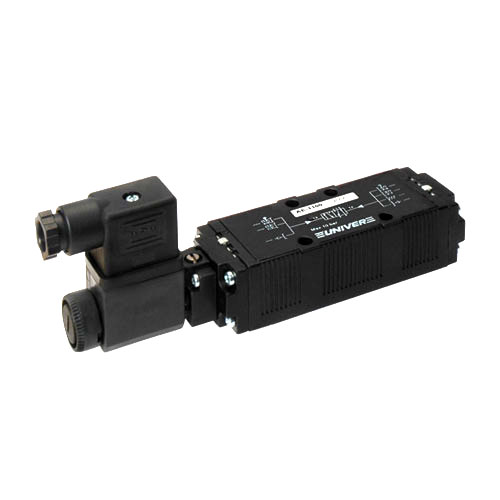
Z-assembly, or Z-assembly, is an innovative technique used in pneumatic automation that allows components to be assembled efficiently and precisely. In this article, we will explore the benefits and applications of this technique, as well as how it can transform your industrial processes.
What is Z-assembly?
A Z-assembly, or Z-mount, is an assembly technique used mainly in pneumatic automation systems. This approach allows components to be arranged in a vertical configuration, forming a shape similar to the letter ‘Z’. This arrangement is especially useful in applications where space is limited and efficiency is crucial.
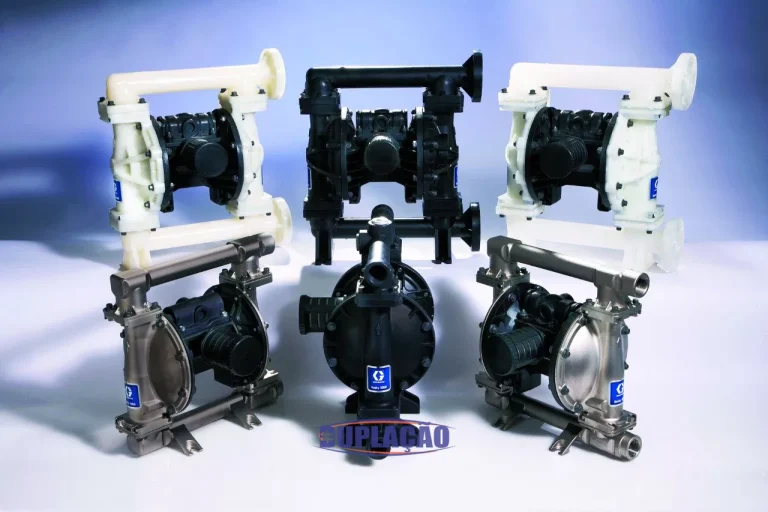
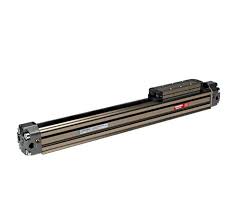
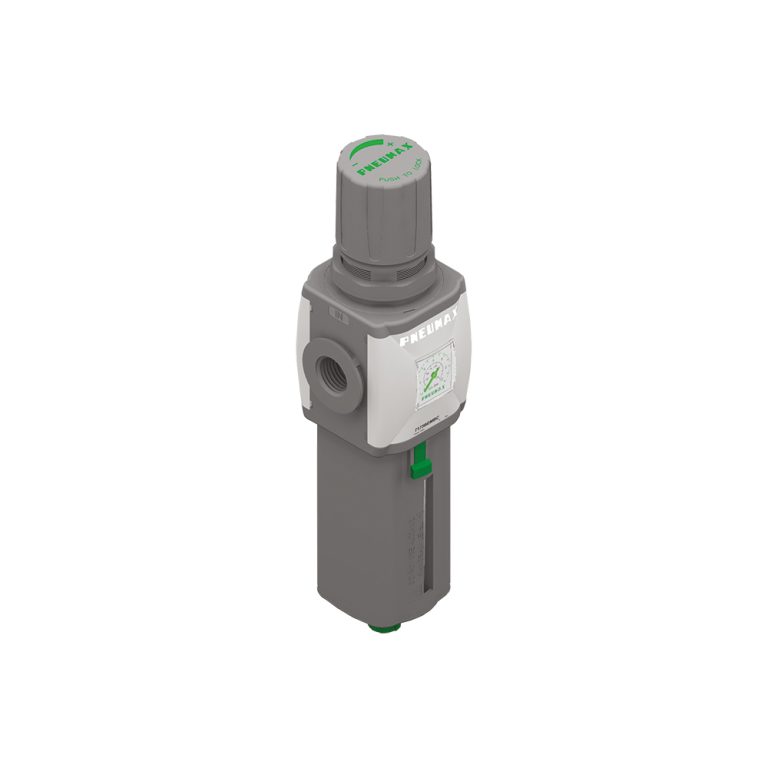
In practice, Z-mounting involves the use of pneumatic actuators, Valves and other components that are organized in a way to optimize the workflow. This technique not only improves the accessibility of components, but also facilitates maintenance and replacement of parts, since the elements are arranged in a way to minimize the space occupied.
Additionally, the Z-mount is designed to increase operational efficiency. By allowing components to be assembled in a configuration that maximizes vertical space utilization, companies can reduce assembly time and improve overall productivity. This approach is especially advantageous in industrial environments where speed and accuracy are essential.
In summary, Z-mounting is an innovative solution that combines efficiency and practicality, making it a popular choice among industry professionals looking to optimize their automation processes.
Advantages of Z Mounting
A Z-mount offers several advantages that make it a preferred choice in pneumatic automation systems. One of the main advantages is the space saving. By arranging components in a vertical configuration, it is possible to maximize the use of available space, which is crucial in industrial environments where every square meter counts.
Another significant advantage is the ease of maintenance. With the components organized in an accessible way, technical interventions become faster and more efficient. This reduces downtime and improves the overall productivity of the operation.
Furthermore, Z-mounting contributes to workflow efficiency. The vertical arrangement of components allows for better management of air and fluid flow, resulting in optimized performance of pneumatic systems. This is especially important in applications that require high precision and speed in operations.
Finally, Z-mounting can also be adapted to different configurations and specific needs of each industry. This flexibility allows companies to customize their automation solutions, ensuring they meet their operational requirements effectively.
Practical Applications of Z-Mount
A Z-mount It is widely used in various industries due to its versatility and efficiency. One of the most common applications is in Automation of production lines. In these environments, the vertical arrangement of components allows machines to operate more fluidly, increasing productivity and reducing cycle time.
Another practical application is in packaging industry. Z-mounting facilitates the integration of transport and handling systems, allowing packages to be processed quickly and accurately. This is essential to meet the growing demand for efficiency and speed in the sector.
Furthermore, Z-mounting is used in fluid control systems, where the vertical configuration helps optimize the flow and pressure of liquids. This is particularly important in chemical and pharmaceutical industries, where precision is crucial to guarantee the quality of the final product.
Finally, Z-mounting also finds application in test and measurement equipment. The arrangement of the components allows the devices to be more compact and easier to handle, which is a significant advantage in laboratories and research centers.
How to Implement Z-Mount in Your Industry
Implement to Z-mount in your industry requires careful planning and a systematic approach. The first step is to carry out a analysis of available space. It is important to identify areas where vertical configuration can be applied, maximizing the use of space and improving operational efficiency.
Then it is necessary select the appropriate components. This includes pneumatic actuators, valves and other elements that fit into the Z configuration. The choice of components must take into account the technical specifications and operational needs of your production line.
After selecting the components, the next step is develop a layout detailed. This layout should show how the components will be organized in the Z configuration, ensuring that the workflow is optimized. It is essential to consider accessibility for maintenance and operation during this phase.
Once the layout is defined, it's time to Train the team. Operators and technicians must be trained to work with the new configuration, understanding how each component works and how to perform basic maintenance. Proper training is crucial to ensure implementation is successful.
Finally, it is important to monitor Z-mount performance after implementation. Collecting data on efficiency and productivity will help identify areas that can be improved and ensure that the new configuration meets performance expectations.