Industrial instrumentation is crucial for optimizing processes and ensuring safety and quality in operations. With tools such as sensors and controllers, companies can monitor and adjust their systems, overcoming challenges such as integration and maintenance, resulting in greater efficiency and competitiveness in the market.
A industrial instrumentation why It is fundamental to the success of companies, as it guarantees precision and efficiency in critical processes. In the way the current market operates, understanding the importance of this topic can be a game-changer for company operations. In this article, we will discover what it is, why it is essential and which tools make instrumentation such a vital area for optimizing operations in industries.
What is Industrial Instrumentation?
A industrial instrumentation refers to the set of techniques and devices used to measure, control and monitor industrial processes. These systems are essential to ensure efficiency and safety in the operations of factories and industries in general.
Industrial Instrumentation Components
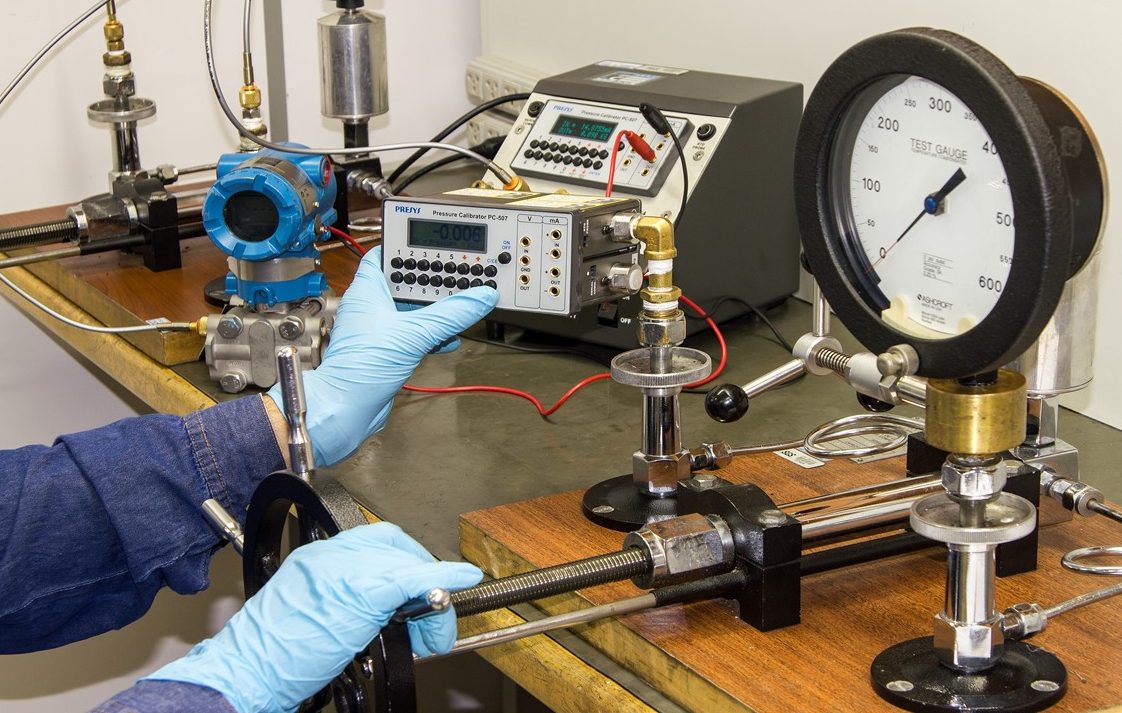
The main components of industrial instrumentation include sensors, transmitters, controllers and actuators. You sensors are responsible for detecting variables such as temperature, pressure and level, while the transmitters convert these measurements into signals that can be interpreted by control systems.
How Industrial Instrumentation Works
The operation of industrial instrumentation involves the collection of data in real time, which is sent to a control system. This system analyzes the information and, if necessary, adjusts the process parameters automatically, ensuring that everything operates within the desired limits.
Importance of Instrumentation in Industry
Instrumentation is vital for the industry, as it allows process optimization, waste reduction and increased safety. With an effective instrumentation system, companies can continuously monitor their operations and make adjustments in real time, resulting in greater productivity and lower operating costs.
Importance of Industrial Instrumentation in Companies
A importance of industrial instrumentation in companies is undeniable, as it plays a crucial role in the efficiency and safety of operations. Instrumentation allows companies to monitor and control their processes precisely, resulting in quality products and reduced costs.
Process Optimization
With the appropriate instrumentation, companies can optimize their processes, identifying inefficiencies and implementing improvements. This not only increases productivity, but also minimizes wastage of resources, contributing to sustainability.
Increased Security
Industrial instrumentation is also essential to ensure safety in the work environment. Sensors and monitoring systems help detect faults and dangerous conditions, allowing companies to take preventative action before accidents occur.
Product Quality
Furthermore, instrumentation ensures the quality of the final product. With accurate measurements and process control, companies can ensure that their products meet the quality standards required by the market, increasing customer satisfaction.
Regulatory Compliance
Compliance with standards and regulations is another area where industrial instrumentation is vital. Companies need to monitor and record data to meet legal requirements, and instrumentation provides the necessary tools to do this, avoiding penalties and improving the company's reputation.
Main Industrial Instrumentation Tools
As main industrial instrumentation tools are essential to ensure that industrial processes work efficiently and safely. These tools range from simple devices to complex systems that integrate multiple functions.
Sensors
Os sensors They are fundamental in industrial instrumentation, as they are responsible for measuring variables such as temperature, pressure, level and flow. They convert these measurements into electrical signals that can be interpreted by control systems.
Transmitters
Os transmitters receive signals from sensors and send them to control systems. They ensure that information is transmitted accurately and can include signal amplification and conversion functions.
Controllers
Os controllers These are devices that process signals received from transmitters and make decisions to adjust industrial processes. They can be programmable, allowing operators to configure specific parameters for each application.
Actuators
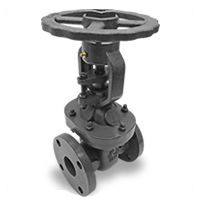
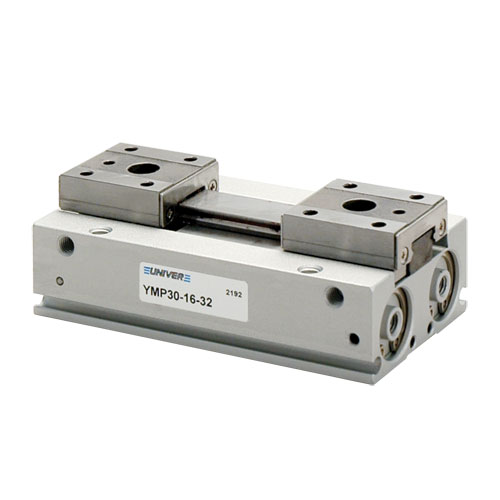
Os actuators are responsible for carrying out the actions determined by the controllers. They can open or close valves, adjust control valves and move mechanical components, ensuring the industrial process operates as planned.
Challenges and Solutions in Industrial Instrumentation
Os challenges and solutions in industrial instrumentation These are crucial aspects that companies must consider to ensure the efficiency and safety of their operations. Instrumentation can face many obstacles, but with the right approaches, it is possible to overcome them.
Common Challenges
One of the main challenges is the Systems Integration. Many companies use equipment from different manufacturers, which can make communication between devices difficult. This can lead to failures in data collection and process automation.
Maintenance and reliability
A inadequate maintenance of instruments is also a significant challenge. Equipment that is not properly maintained can fail, resulting in unplanned downtime and lost productivity. Implementing a preventive maintenance program is essential to ensure the reliability of instrumentation systems.
Personnel Training
Another important challenge is the staff training. Lack of knowledge on how to operate and maintain instrumentation systems can lead to operational errors. Investing in ongoing training for employees is essential to maximize efficiency and minimize risks.
Effective Solutions
To face these challenges, companies can adopt solutions such as equipment standardization, which facilitates integration and communication between systems. Additionally, implementing remote monitoring technologies can help detect issues before they become critical, enabling rapid response.
Importance of Industrial Instrumentation for the Future
Industrial instrumentation is essential to the success of modern companies. It guarantees efficiency, safety and quality in production processes.
With the right tools and good planning, it is possible to overcome the challenges that arise when implementing and maintaining these systems. Investing in technology and training is essential to maximize the benefits of instrumentation.
Therefore, by adopting effective instrumentation practices, companies not only improve their operations, but also prepare for a more competitive and innovative future.
FAQ – Industrial Instrumentation Frequently Asked Questions
What is industrial instrumentation?
Industrial instrumentation is the set of techniques and devices used to measure, control and monitor industrial processes.
What are the main components of industrial instrumentation?
Key components include sensors, transmitters, controllers and actuators, which work together to ensure process efficiency.
How does industrial instrumentation improve safety in companies?
It allows the detection of faults and dangerous conditions, enabling preventive actions that avoid accidents in the workplace.
What are common challenges in industrial instrumentation?
Challenges include systems integration, inadequate maintenance and the need for ongoing training for employees.
How can I optimize instrumentation in my company?
Investing in equipment standardization and remote monitoring technologies can help optimize instrumentation and improve efficiency.
How important is maintenance in industrial instrumentation?
Proper maintenance is crucial to ensuring system reliability, avoiding failures and unplanned downtime that can impact productivity.