Wine production process:
- The selected grapes are fed into a mechanical press that produces must (grape juice with skins, seeds and solids) by crushing the grapes. White wine producers quickly crush and press grapes to remove skin, seeds and solids to prevent unwanted color and tannins from flowing into the wine.
- The wort is then transferred to fermentation, where wild yeast or commercially cultured yeast are added to ensure consistency. The fermentation process continues from 15 days to 1 month or more until all the sugar is converted to alcohol and dry wine is produced.
- After fermentation, the wine is processed in a clarification tank to remove dead yeast cells, tannins and proteins.
- The clarified wine is then transferred to several settling tanks for the aging process (2-3 months in each tank) where the red wine is kept between 12 0 C a 16 0 C and white wine is kept at 0 0 In decantation tanks, unwanted residues are deposited at the bottom and are eliminated while the wine is transferred to the next stage of decantation.
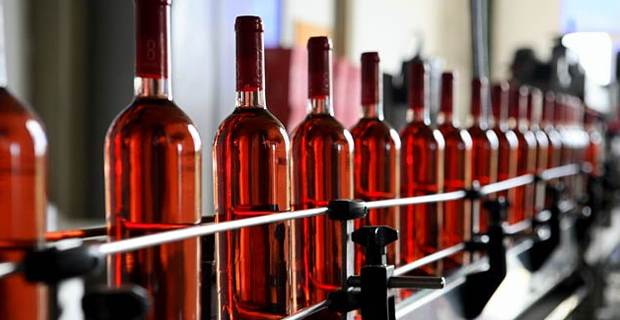
- Finally, the wine is aged in stainless steel tanks and subsequently transferred to the bottling and packaging unit.
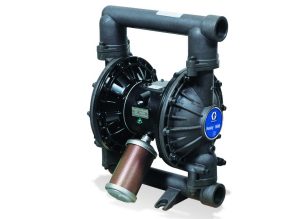
Applications of diaphragm pumps in wine production:
- Pumping wort from the mechanical press to the fermentation tanks
- Pumping wine from fermentation tanks to clarification tanks
- Pumping wine from the clarification tank to multiple settling tanks to remove debris
- Pumping clean, filtered wine into stainless steel tanks