The quality of compressed air is vital for the efficiency of equipment and the health of workers. Keeping the air free of contaminants, carrying out regular maintenance and following specific standards are essential practices to ensure a safe and productive work environment.
Did you know that Dirty compressed air is harmful not just your equipment, but also the health of workers? In many industries, air quality is critical. Using polluted compressed air can cause a series of damages, from system failures to health problems. In this article, we will discuss the consequences of using dirty compressed air, as well as effective solutions to ensure a safer and more productive work environment.
Consequences of using dirty compressed air
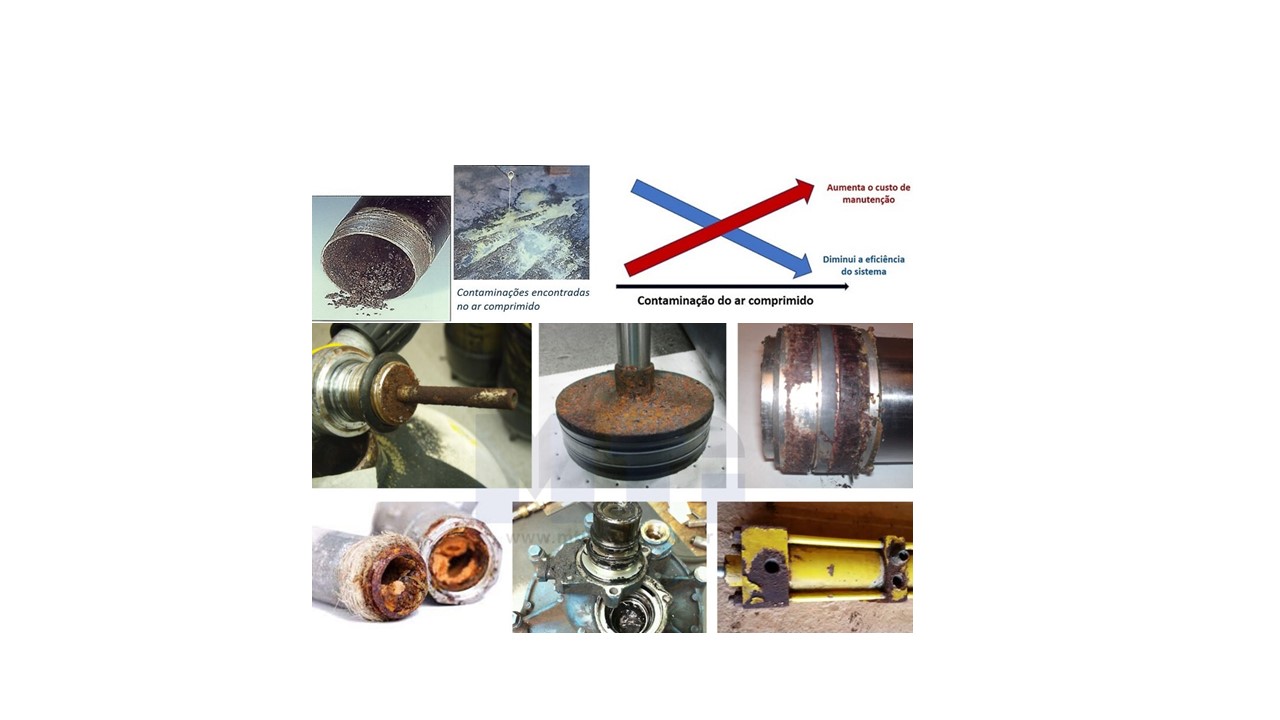
Or use of dirty compressed air can have serious consequences for the operation of equipment and the health of workers. When compressed air contains contaminants such as dust, moisture and oil, this can lead to failures in machines and pneumatic systems. These contaminants can cause corrosion, premature wear and even unexpected downtime, resulting in high maintenance and repair costs.
Health Impacts
In addition to damage to equipment, dirty compressed air can affect the health of employees. Inhaling contaminated particles can cause respiratory problems and allergies, compromising the well-being of workers. It is essential to ensure that the compressed air used in industrial processes is free of impurities.
Reduction of operational efficiency
Equipment that operates with contaminated compressed air tends to have reduced efficiency. This is because the presence of dirt and moisture can clog valves and filters, resulting in loss of pressure and performance. Operational efficiency is crucial to productivity, and air contamination can compromise this.
High Maintenance Costs
Maintenance costs increase significantly when compressed air is not treated properly. The need for frequent repairs and replacement of damaged parts can impact the company's budget. Investing in air filtration and purification systems is a preventative measure that can save you money in the long run.
Solutions to avoid contamination
To guarantee the quality of compressed ar and avoid contamination, it is essential to implement effective solutions. The first step is to install air filters that remove solid particles, moisture and oil from compressed air. These filters should be chosen based on system specifications and application needs.
Regular Equipment Maintenance
Regular maintenance of compressed air systems is crucial. This includes periodically checking and replacing filters, as well as cleaning pipes and reservoirs. A well-defined maintenance schedule helps prevent contaminant build-up and ensures efficient system operation.
Use of Ar Dryers
Os air dryers These are devices that remove moisture from compressed air, preventing the formation of condensation that can cause corrosion and other damage. There are different types of dryers, such as refrigeration and desiccant dryers, which must be selected according to the specific needs of the application.
Air Quality Monitoring
Implementing a compressed air quality monitoring system is a recommended practice. This may include sensors that detect the presence of contaminants and moisture, allowing for immediate corrective action. Continuous monitoring helps maintain quality standards and safety in the workplace.
Maintenance of compressed air systems
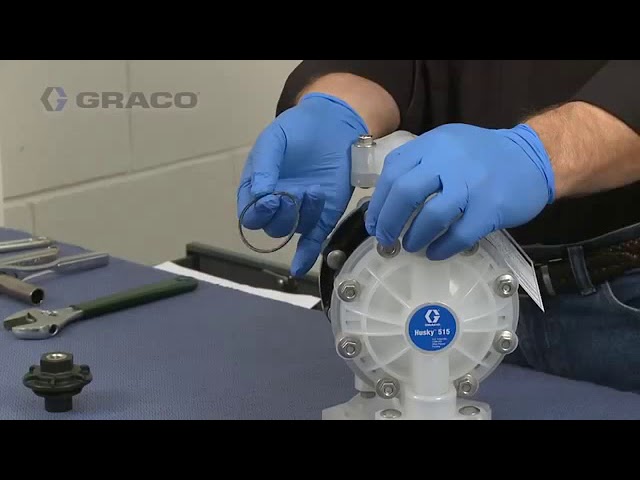
A maintenance of compressed air systems It is essential to guarantee the efficiency and longevity of equipment. Performing regular inspections and following a maintenance schedule helps identify problems before they become serious. This includes checking for leaks, which can result in loss of pressure and increased operating costs.
Component Inspection
System components, such as compressors, valves and filters, must be inspected frequently. Cleaning and replacing worn parts are essential to keep the system functioning optimally. Dirty or damaged components can compromise compressed air quality and system efficiency.
Pressure and Leaks Test
Performing pressure tests regularly is a best practice. This helps ensure that the system operates within specifications and that there are no leaks. A leak can not only affect efficiency but also cause safety hazards in the workplace.
Documentation and Maintenance Record
Keeping detailed records of all maintenance activities is crucial. This includes inspection dates, services performed, and any issues identified. Documentation helps you monitor system performance over time and plan future maintenance more effectively.
Importance of compressed air quality
A compressed air quality It is a critical factor in several industrial processes. Compressed air is used in a variety of applications, from machine automation to surface painting. When air quality is not maintained, it can result in serious operational and health problems.
Impact on Equipment Efficiency
Equipment that operates with low quality compressed air can suffer damage and failure. Contaminants such as moisture, oil and solid particles can cause premature wear and blockages, leading to unexpected downtime and high maintenance costs. Operational efficiency directly depends on the quality of the air used.
Workers Safety
The quality of compressed air also affects the health of workers. Inhaling contaminated air can cause respiratory problems and other health complications. Ensuring that compressed air is free from impurities is essential for a safe and healthy working environment.
Compliance with Standards and Regulations
Maintaining compressed air quality is often a regulatory requirement. Many industries must follow specific standards that guarantee the purity of the air used in their processes. Failure to comply with these standards may result in penalties and compromise the company's reputation.
Importance of Maintenance and Quality of Compressed Air
Maintaining the quality of compressed air is essential for the proper functioning of industrial systems. Air contamination can cause damage to equipment and affect the health of workers.
Investing in filtration and purification solutions, in addition to carrying out regular maintenance, ensures that the compressed air used is always of high quality. This not only improves operational efficiency but also ensures a safer working environment.
Therefore, prioritizing compressed air quality is a smart decision that brings long-term benefits to your company.
FAQ – Frequently asked questions about compressed air quality and maintenance
Why is compressed air quality important?
The quality of compressed air is crucial because it affects the efficiency of equipment and the health of workers, preventing damage and respiratory problems.
What are the main contaminants in compressed air?
Major contaminants include moisture, oil and solid particles, which can cause equipment failure and health risks.
How can I guarantee the quality of compressed air in my company?
You can ensure the quality of your compressed air by installing suitable filters, carrying out regular maintenance and using air dryers.
How often should I carry out maintenance on compressed air systems?
Maintenance must be carried out regularly, with monthly inspections and filter replacements as necessary, to avoid contamination.
What are the risks of not maintaining compressed air quality?
Risks include equipment failures, increased maintenance costs and health problems for workers due to inhaling contaminated air.
Are there standards that regulate the quality of compressed air?
Yes, many industries must follow specific standards that guarantee the purity of the compressed air used in their processes.