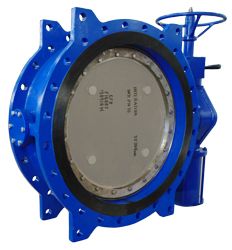
The passage valve is an essential component in pneumatic systems, responsible for controlling the flow of fluids efficiently and safely. In this article, we will address its characteristics, applications and the importance of choosing the appropriate valve to optimize the performance of your operations.
1. What is a Bypass Valve?
A pass valve is a device used to control the flow of fluids in pneumatic and hydraulic systems. It allows the fluid to pass through a specific path and can be opened or closed according to the system's needs.
The operation of this valve is simple: when the valve is open, the fluid flows freely; when closed, the flow stops.
This type of valve is designed to offer low resistance to flow, making it ideal for applications where efficiency is crucial. Additionally, bypass valves are often used in systems that require precise flow control, such as in industrial processes and automation.
Bypass valves can be operated manually or automatically, depending on the system in which they are inserted. Automatic versions are often integrated into control systems, allowing flow to be adjusted remotely and in real time.
It is important to highlight that choosing the correct bypass valve can significantly impact the efficiency and safety of the system. Therefore, it is essential to consider factors such as fluid type, operating pressure and temperature when selecting a valve for your application.
2. Types of Bypass Valves
There are several types of bypass valves, each designed to meet specific needs in pneumatic and hydraulic systems. Below we present the main types:
- Straight Pass Valve: This type is the most common and allows the fluid to flow in a straight line. It is ideal for applications where space is limited and flow efficiency is essential.
- L-shaped bypass valve: Also known as an angle valve, this configuration allows the fluid to change direction at a 90-degree angle. It is used in systems where a change of direction is necessary.
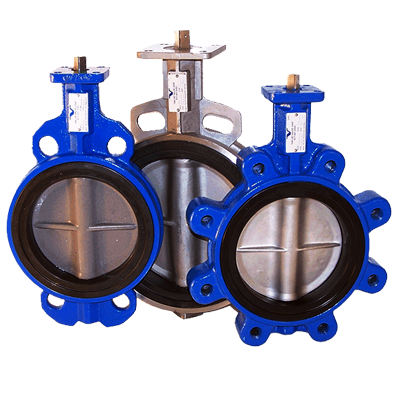
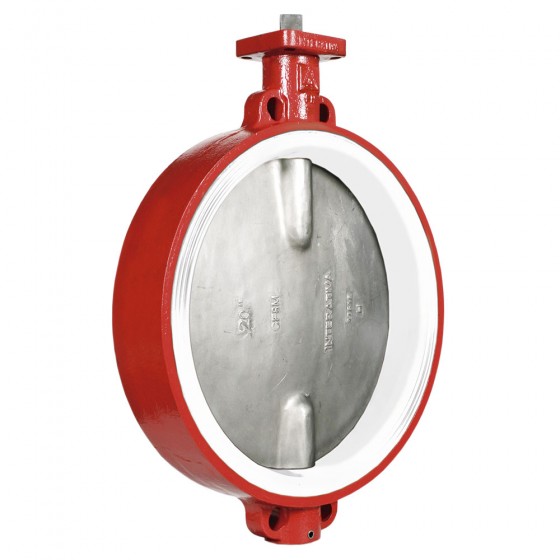
- Stainless Steel Bypass Valve: Recommended for applications involving corrosive fluids or aggressive environments. The resistance of stainless steel guarantees durability and safety.
- Plastic Bypass Valve: Used in systems that deal with less aggressive fluids. Plastic valves are lightweight and offer good chemical resistance.
- Bypass Valve with Manual Action: This type is manually operated, allowing the operator to directly control the flow. It is common in applications where manual control is preferred.
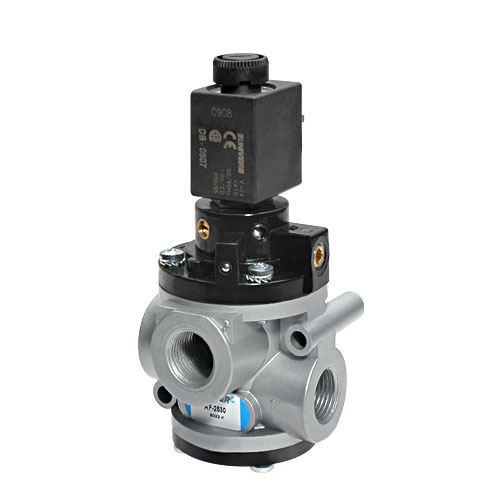
- Automatic Bypass Valve: Integrated into control systems, this valve can be activated remotely, allowing flow adjustments without manual intervention. It is ideal for automated systems.
The choice of the type of passage valve must consider factors such as the type of fluid, operating pressure and environmental conditions. Each type has characteristics that can influence the efficiency and safety of the system.
3. Applications of the Bypass Valve in Pneumatic Systems
A pass valve plays a crucial role in several applications in pneumatic systems. Its main function is to control the flow of air or other fluids, ensuring efficiency and safety in operations. Below, we highlight some of the main applications:
- Automotive Industry: Bypass valves are used in compressed air control systems, essential for the operation of pneumatic tools and assembly equipment.
- Painting Processes: In industrial painting systems, flow valves control the flow of paint and air, ensuring a uniform, high-quality application.
- Maintenance Equipment: Bypass valves are often employed in maintenance and repair tools, allowing precise control of airflow in compressors and other devices.
- Industrial Automation: In automated production lines, bypass valves are integrated into control systems to regulate air flow in pneumatic cylinders, optimizing machine performance.
- Water treatment: In water treatment systems, bypass valves help control the flow of water and chemicals, ensuring the efficiency of purification processes.
These applications demonstrate the versatility of bypass valves across different industries. Choosing the appropriate valve for each application is essential to guarantee the efficiency and safety of pneumatic systems.
4. How to Choose the Ideal Bypass Valve
Choose the ideal pass valve It is a fundamental step to guarantee the efficiency and safety of pneumatic systems. There are several factors to consider during this process. Below we present the main criteria:
- Type of fluid: It is essential to know which fluid will be used. Plastic bypass valves are suitable for less aggressive fluids, while stainless steel valves are recommended for corrosive fluids.
- Operation Pressure: Check the maximum pressure that the valve must withstand. Each valve has a specific pressure rating, and choosing one that meets or exceeds that need is crucial.
- Temperature: Fluid temperature also influences valve choice. Make sure the valve you select can operate within the temperature range of your system.
- Connections: The valve connections must be compatible with the system piping. Check connection type and size to ensure proper fit.
- Type of Action: Decide whether the valve will be manual or automatic. Automatic valves are ideal for systems that require remote control, while manual valves can be simpler and more economical.
- Maintenance: Consider the serviceability of the valve. Some valves are designed to be easily disassembled and cleaned, which can be an important factor in industrial environments.
By evaluating these criteria, you will be able to select the bypass valve that best meets the needs of your system, ensuring efficient and safe performance.