The butterfly valve is an essential device for controlling the flow of fluids in industrial systems, offering efficiency and versatility. Ideal for water, petrochemical, food and pharmaceutical applications, your choice must consider the type of fluid, pressure and available space.
Are you in search of ideal control butterfly valve for your project? This component is essential for optimizing piping systems. In this article, we will explore its importance, functioning and practical tips for choosing the option that will best meet your needs, in addition to its wide applications in the industry.
Importance of the Butterfly Valve
A butterfly valve It is an essential component in piping systems, used to control the flow of fluids. Its importance is due to the efficiency and versatility it offers in various industrial applications.
Butterfly Valve Operation
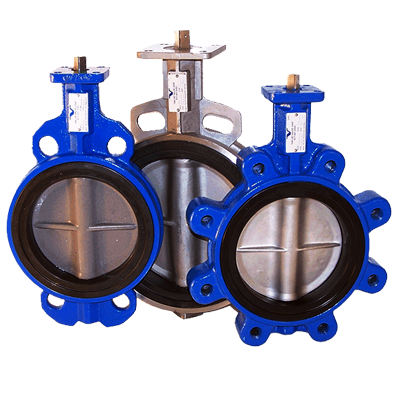
The operation of the butterfly valve is based on a disc that rotates around an axis. When the disc is in a position parallel to the flow, the valve is open, allowing fluid to pass through. When the disc is rotated 90 degrees, the valve closes, stopping flow. This simple operation provides quick and effective control.
Advantages of the Butterfly Valve
One of the main advantages of the butterfly valve is its compact design, which takes up less space compared to other types of valves. Furthermore, it is light and can be operated manually or by pneumatic actuators, facilitating process automation.
Applications in Industries
Butterfly valves are widely used in industries such as water and wastewater, petrochemicals, and food and beverages. They are ideal for applications that require precise and fast flow control, contributing to operational efficiency.
How the Butterfly Valve Works
A butterfly valve is a simple but effective device used to control the flow of fluids in piping systems. Its operation is based on a disc that rotates around an axis, allowing the flow to open and close.
Butterfly Valve Structure
The butterfly valve structure consists of a body, a disc and an actuator. The disc is the component that moves to open or close the fluid passage. When the disc is in a position parallel to the flow, the valve is open. When it is turned 90 degrees, the valve closes, stopping the flow.
Manual and Automatic Operation
The butterfly valve can be operated manually or automatically. In manual mode, an operator turns a lever or knob to control the disc. In automatic mode, a pneumatic or electric actuator is used to open and close the valve with precision, ideal for systems that require remote control.
Advantages of Butterfly Valve Operation
One of the main advantages of the butterfly valve operation is the speed of operation. The disc can be rotated quickly, allowing efficient flow control. Furthermore, its lightweight and compact construction facilitates installation in various systems.
Tips for Choosing the Ideal Butterfly Valve
Choose the ideal butterfly valve for your system is crucial to ensure efficiency and durability. Here are some important tips to help you with this choice.
1. Know the Type of Fluid
The first step is to understand the type of fluid that will be controlled. Fluids that are corrosive, viscous or contain solids in suspension require specific valves that can withstand these conditions. Check valve material specifications to ensure compatibility.
2. Consider Pressure and Temperature
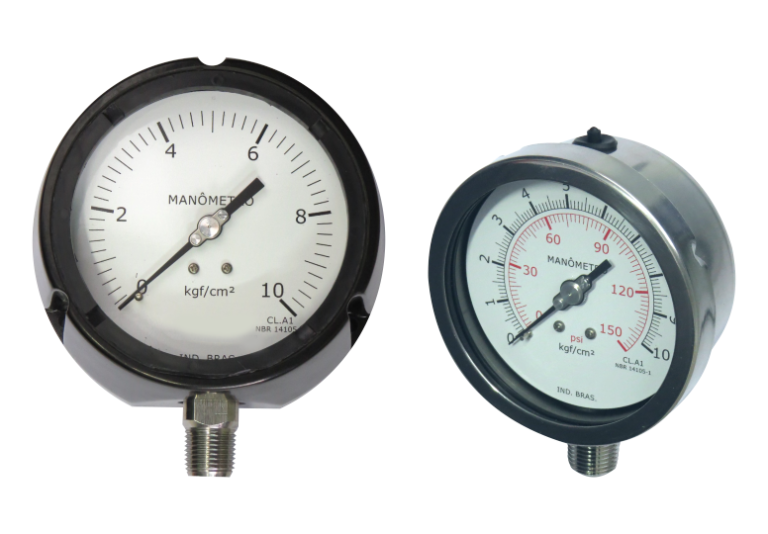
The pressure and temperature of the system are determining factors when choosing the valve. Make sure the valve you select can operate within your system's pressure and temperature limits to avoid failure.
3. Assess Available Space
The space available for installation must also be considered. Butterfly valves are compact, but it is important to check the dimensions and type of actuator that will be used, especially in places with restricted space.
4. Choose Trusted Brands
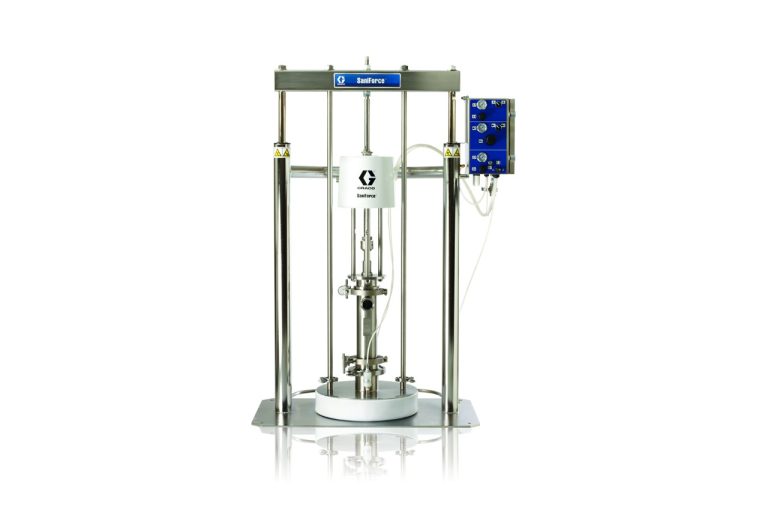
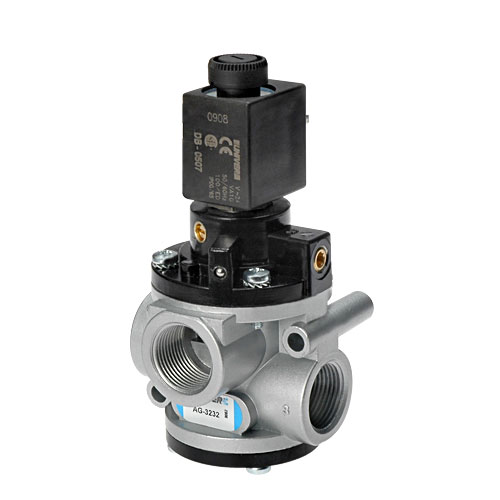
Choose recognized brands, such as Graco Inc. e Pneumax, can guarantee the quality and reliability of the product. Research the manufacturer's reputation and reviews from other users.
Butterfly Valve Applications in Industries
A butterfly valve It is widely used in various industries due to its efficiency and versatility. Here are some of the main applications of this valve in different industries.
1. Water and Sewage Industry
In the water and wastewater industry, butterfly valves are used to control the flow of water in treatment plants and distribution systems. They allow for fast and efficient operation, essential for water resource management.
2. Petrochemical Industry
Butterfly valves are essential in the petrochemical industry, where they control the flow of chemicals and fuels. Their ability to withstand high pressures and temperatures makes them ideal for these critical applications.
3. Food and Beverage Industry
In the food sector, butterfly valves are used to control the flow of liquids and gases in production processes. They are designed to meet strict hygiene and safety standards, guaranteeing the quality of the final products.
4. Pharmaceutical Industry
In the pharmaceutical industry, butterfly valves are used in fluid transport systems and in manufacturing processes. They help maintain precision and safety when handling sensitive chemical substances.
Final Thoughts on the Butterfly Valve
The butterfly valve is an essential component in many industrial systems, offering efficient control of fluid flow. Its versatility allows applications in sectors such as water and sewage, petrochemicals, food and beverages, and pharmaceuticals.
Choosing the ideal butterfly valve involves understanding the specific needs of your system, such as fluid type, pressure and temperature. With the tips presented, you can make informed decisions to ensure efficiency and safety in your operations.
Don't underestimate the importance of this equipment; the correct choice can significantly impact your system's performance.
FAQ – Frequently asked questions about butterfly valves
What is a butterfly valve?
The butterfly valve is a device used to control the flow of fluids in piping systems, operating with a disc that rotates around an axis.
What are the main applications of butterfly valves?
Butterfly valves are widely used in industries such as water and wastewater, petrochemical, food and beverage, and pharmaceutical.
How do I choose the ideal butterfly valve for my system?
To choose the ideal valve, consider the type of fluid, pressure, temperature and the space available for installation.
What are the advantages of butterfly valves compared to other types of valves?
Butterfly valves are compact, lightweight and offer quick flow control, making them ideal for a variety of industrial applications.
Can butterfly valves be operated automatically?
Yes, butterfly valves can be operated manually or automatically, using pneumatic or electric actuators for remote control.
What brands are recommended for butterfly valves?
Brands like Graco Inc. and Pneumax are recognized for the quality and reliability of their butterfly valves.