Inside a factory, so that everything happens correctly with the bomba diaphragm pneumatics and other equipment, the manager needs to align three fundamental aspects:
Performance;
Timeline;
Budget.
For the work to deliver the expected results, these three factors must be aligned, as only one failure can harm the entire process, generate delay in delivering demands, and other problems. Also, if the machinery is not delivering the expected performance, the industry may not have the expected productivity, impacting its profitability.
Dealing with industrial processes requires time
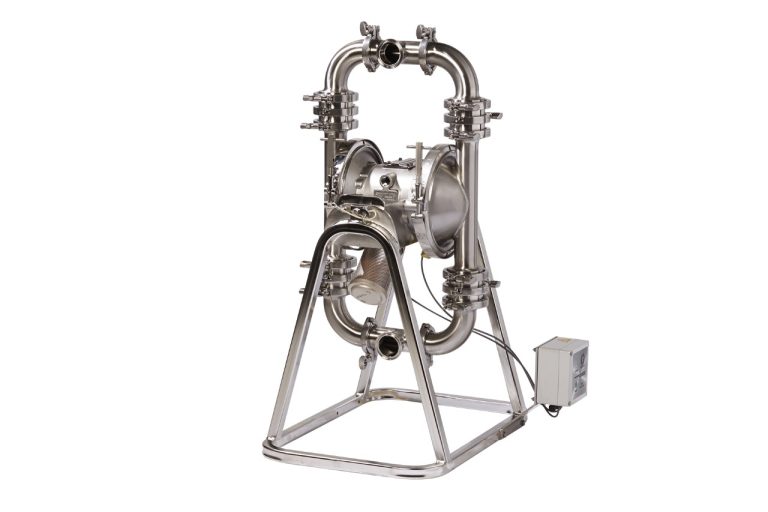
And there is little time left to worry about repairs, replacement parts, unavailability of machines, among others. Companies seeking high availability, superior performance and reliability often have pneumatic diaphragm pumps. Because they are very reliable and robust, these pumps help deliver the proper performance to the company's goals and objectives.
In case of failures, repairs can be made easily and quickly. This equipment helps reduce the time of inactivity and with proper planning, managers can keep the pump always working.
How to resolve when your pump does not turn on or interrupts the cycle?
First listen to your bomb. If there is no exhaustion of air or continuous exhaustion without cycling, you may have a real problem. In this case, you can adopt the following measures:
01. Make sure the air supply pressure exceeds the system head. Otherwise, increase the input air pressure to the pump. Most pneumatic diaphragm pumps are designed for a pressure ratio of 1: 1 with the minimum flow.
02. Check the pump air distribution system. To correct, see the air valve section of your diaphragm pneumatic pump manual. Disassemble and check the main air distribution valve and pilot valve. Also check that there are damaged or missing pilot valve actuators. It is also necessary to check the air valve and the intermediate joints so that they have proper alignment.
03. Check that there is fluid in the air exhaust silencer. If so, dismantle the pump cameras and make sure the diaphragm ruptured.
04. Check the air exhaust muffler. If any abnormality is identified, remove the muffler screen for cleaning or defrosting. Reinstall when finished.
05. Make sure there is no blockage in the pumping chamber. If this is the problem, disassemble and inspect your pump chambers. Remove any residue that may be getting in the way.
06. Check the discharge line for blockages. Check the pump valves, manifold, or closed discharge line valve for blockage.