Valve position is a crucial aspect in industrial automation, directly affecting process efficiency and safety. In this article, we will explore what valve position is, its importance in pneumatic and hydraulic systems, and how to choose the right valve for your application.
1. What is Valve Position?
A valve position refers to the location and operating state of a valve in a pneumatic or hydraulic system. This position is crucial for controlling fluid flow, whether in industrial processes or automation systems.
The position can be classified as open, closed or intermediate, depending on the application and type of valve used.
Valves are devices that regulate the flow of fluids, and their position determines how and when fluid passes through a system. For example, in a ball valve, the open position allows full fluid passage, while the closed position stops the flow. In control valves, the position can be adjusted to allow partial flow, which is essential for applications that require precision.
Additionally, valve position is often monitored by sensors that send information to a control system. This allows operators to adjust operating conditions in real time, ensuring process efficiency and safety.
Correct understanding of valve position is critical to effective automation and maintaining system integrity.
2. Types of Valves and Their Positions
There are several Valve types used in pneumatic and hydraulic systems, each with specific characteristics that determine its position and functionality. Among the most common types, the following stand out:
- Sphere valve: This type of valve has a hollow sphere that rotates around an axis. When the ball is aligned with the flow, the valve is open. When rotated 90 degrees, the valve date the flow. It is ideal for applications that require quick closing.
- Drawer valve: It uses a blade that moves up and down. When the blade is in position horizontal, the valve is open. When in position vertical, the flow is stopped. It is commonly used in systems that require more precise flow control.
- Control Valve: This type of valve allows flow adjustment continuously. The valve position can be intermediate, allowing finer flow control. It is widely used in processes that require pressure and flow variations.
- Check Valve: Allows fluid to flow in only one direction. Its position is generally closed when there is no flow, avoiding backflow. It is essential in systems where the flow direction must be controlled.
Each type of valve has its specific applications and choosing the correct type depends on the needs of the system. Understanding the positions and functionalities of each valve is essential to guarantee the efficiency and safety of industrial processes.
3. Importance of Valve Position in Automation
A valve position plays a fundamental role in industrial automation. Correct configuration and monitoring of valve position ensures systems operate efficiently and safely. When the valves are in the correct position, fluid flow is optimized, resulting in faster processes with less energy consumption.
One of the main benefits of automation is the ability to control the position of valves in real time. This is done through control systems which use sensors to monitor the position of the valves. These sensors send data to a controller that automatically adjusts the valve position as needed. This not only improves efficiency but also reduces the risk of operational failures.
Furthermore, valve position is crucial for process safety. In emergency situations, the ability to quickly close a valve can prevent leaks and accidents. Automated systems that monitor the position of valves can trigger alarms or automatically shut down equipment, increasing the overall safety of the system.
The importance of valve position in automation is also reflected in predictive maintenance. With continuous monitoring, it is possible to identify wear and tear or failures before they become serious problems. This allows companies to carry out scheduled maintenance, avoiding unexpected downtime and increasing the useful life of equipment.
4. How to Choose the Right Valve for Your Application
Choose the certa valve for a specific application is a crucial step to ensure system efficiency and safety. There are several factors to consider during this process.
One of the first aspects to evaluate is the Type of fluid that will be controlled. Fluids that are corrosive, viscous or contain solid particles require valves designed to withstand these conditions.
Another important factor is the pressure and temperature of the system. Each valve has specific pressure and temperature limits that must not be exceeded. It is essential to check the manufacturer's specifications to ensure the chosen valve can operate within the system parameters.
A installation position must also be considered. Some valves work best in vertical positions, while others can be installed horizontally. Installation position can affect valve performance and durability.
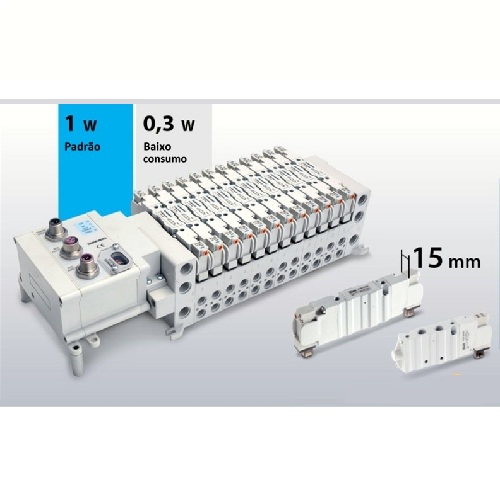
Furthermore, it is important to consider the drive type of the valve. Manual valves are suitable for simple applications, while automated valves are ideal for systems that require precise, real-time control. The choice between an electric, pneumatic or hydraulic actuator should be made based on the specific needs of the application.
Finally, the maintenance and technical support are also aspects to be considered. Choosing valves from recognized brands, such as Graco Inc. and Pneumax, can guarantee access to replacement parts and technical assistance, increasing system reliability.