At the heart of the ceramics industry, the dust collection sector plays a vital role, ensuring not only product quality, but also worker safety and environmental protection. Let’s explore the main functions and importance of this crucial sector:
Pollution control
Environmental: Dust capture is essential to reduce particle emissions into the air, helping to comply with strict environmental standards and protecting the environment.
Occupational health: Inhaling dust can cause serious respiratory problems. Efficient capture minimizes these risks, providing a safer and healthier working environment.
Material Recovery
Reuse: Collected dust often contains valuable raw materials that can be recycled and reintegrated into the production process, increasing efficiency and reducing costs.
Waste reduction: Collecting and reusing dust helps minimize waste, maximizing the use of available resources.
Maintenance of product quality
Contamination prevention: The presence of dust can contaminate final products, affecting their quality. Dust capture keeps the production environment clean, ensuring high quality products and impeccable aesthetics.
Consistency: Controlling the amount of dust in the air and on surfaces ensures a consistent production process, resulting in uniform products.
Process efficiency
Downtime: Dust accumulation can cause equipment problems, leading to downtime for cleaning and maintenance. Efficient dust capture reduces these interruptions, increasing productivity.
Technology and Equipment
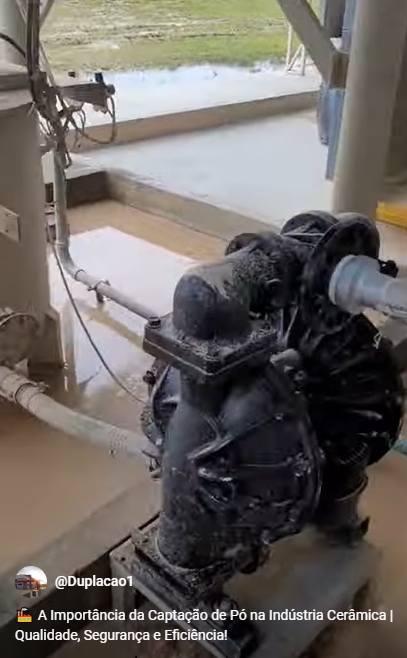
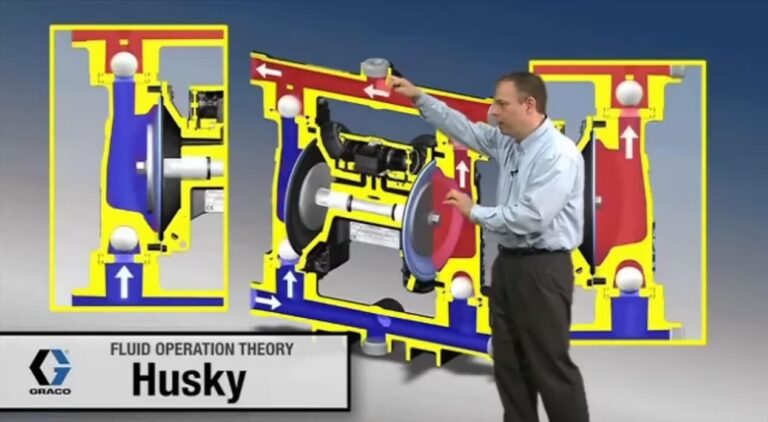
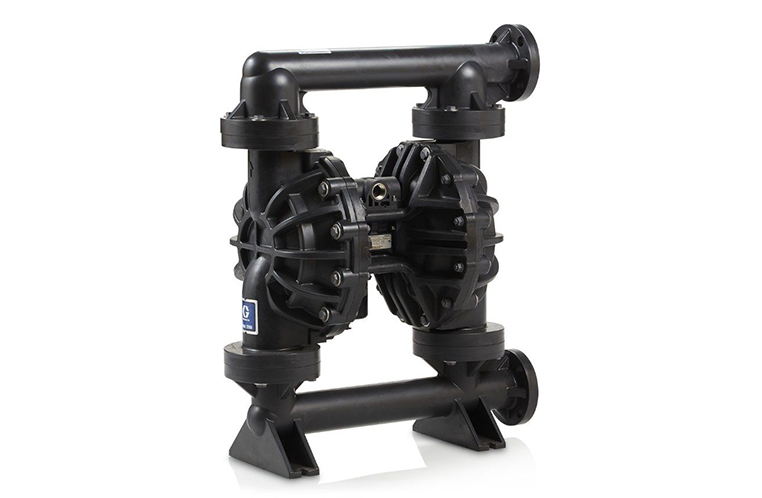
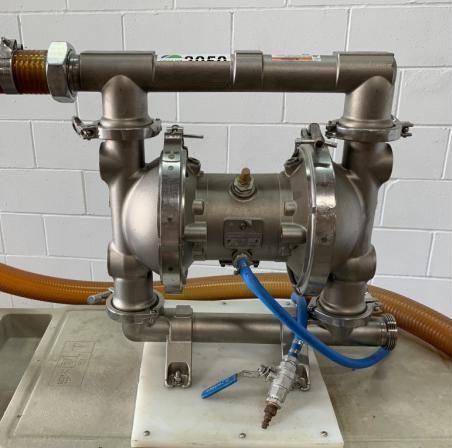
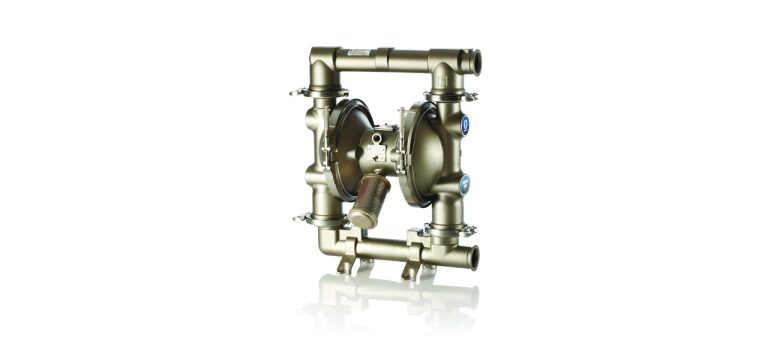
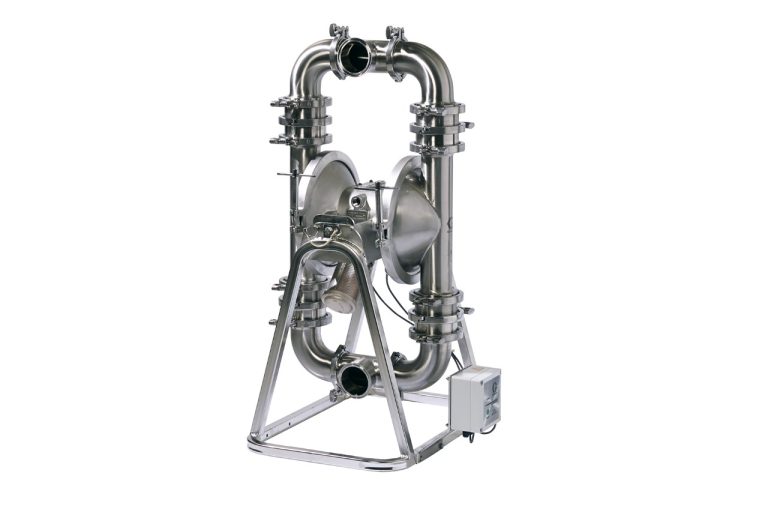
Pneumatic diaphragm pump: An essential piece of equipment in the dust collection sector is the bomba pneumatic diaphragm. It is used to transport the liquid mixed with the collected dust in an efficient and safe way, avoiding clogging of systems and ensuring a continuous flow of material. This pump is known for its durability and ability to handle abrasive particles, making it ideal for the ceramics industry.
Learn more at: