Avoiding contamination of compressed air is crucial to ensuring efficiency and safety in industrial processes. Implementing adequate filtration, air drying, regular maintenance and continuous monitoring are effective methods for maintaining air quality and preventing equipment damage.
Avoiding compressed air contamination is essential to ensure the efficiency and safety of industrial processes. With the growing demand for clean, reliable compressed air, understanding the sources of contamination and preventative measures is crucial. In this article, we will discuss the importance of compressed air quality and some effective strategies for preventing contamination and maintaining system integrity.
Importance of Compressed Air Quality
The quality of compressed air is essential for the efficient functioning of various industrial processes. Compressed air is used in applications ranging from machine automation to powering pneumatic tools. Therefore, ensuring that this air is free of contaminants is essential to avoid damage to equipment and ensure the safety of final products.
Impact on Operational Efficiency
When compressed air contains impurities such as water, oil or solid particles, it can lead to equipment failures and production interruptions. The presence of contaminants can cause corrosion, premature wear and even catastrophic failures. Therefore, maintaining compressed air quality not only extends the useful life of equipment, but also improves operational efficiency.
Security and Compliance
In addition to efficiency issues, the quality of compressed air is also directly related to safety. In the food and pharmaceutical industries, for example, compressed air must meet strict quality standards to prevent product contamination. Compliance with safety standards is crucial to avoid legal problems and ensure consumer trust.
Cost reduction
Investing in compressed air filtration and quality monitoring systems may seem like an additional cost, but in the long run, it results in significant savings. The reduction of failures and unscheduled stops, as well as the reduction in the need for maintenance, contribute to reducing operational costs.
Therefore, the importance of compressed air quality cannot be underestimated. It is a critical factor that affects the efficiency, safety and operating costs of any facility that uses compressed air in its processes.
Main Sources of Contamination
The main sources of compressed air contamination can compromise the quality and efficiency of industrial systems. It is crucial to identify and mitigate these sources to ensure clean, safe air for operations.
Humidity
Humidity is one of the main sources of contamination. When compressed air is cooled, moisture in the air can condense, forming water that can damage equipment and products. Proper drying systems are essential to remove moisture from compressed air.
Solid Particles
Solid particles such as dust and dirt can enter the compressed air system through inadequate filters or seal failures. These particles can cause abrasion in internal components, leading to failures and increasing the need for maintenance. The use of high efficiency filters is recommended to minimize this risk.
Oil and Other Chemical Contaminants
Oil can be introduced into the system through lubricated compressors. The presence of oil in compressed air can affect the quality of products, especially in the food and pharmaceutical industries. Activated carbon filters and oil separators are effective solutions for removing these contaminants.
Micro-organisms
Microorganisms, such as bacteria and fungi, can proliferate in damp, dark environments, such as compressed air storage tanks. These biological contaminants can cause health problems and compromise the quality of the final product. Regular disinfection and air quality monitoring are recommended practices to prevent this type of contamination.
Effective Methods to Avoid Contamination
To ensure the quality of compressed air, it is essential to implement effective methods that help prevent contamination. Below, we present some strategies that can be adopted in industrial environments.
Proper Filtering
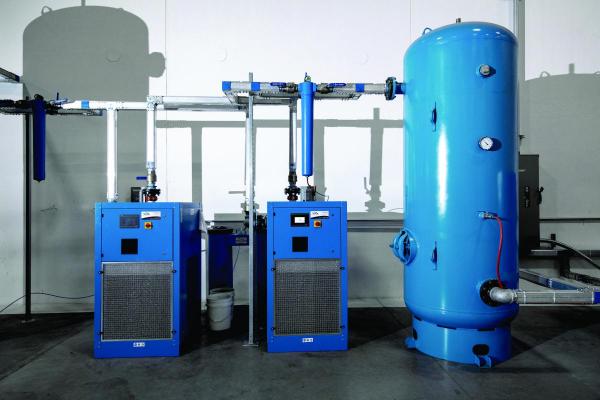
Installing high-efficiency filtration systems is one of the best ways to remove contaminants from compressed air. Particle filters, water separators and activated carbon filters must be used together to ensure that the air is free of moisture, oil and solid particles.
Compressed Air Drying
Using compressed air dryers is essential to remove moisture from the air. There are different types of dryers, such as refrigerants and desiccants, which can be chosen based on the specific needs of the application. Proper drying prevents the formation of condensed water that can damage equipment.
Regular maintenance
Regular maintenance of compressed air systems is crucial to avoid contamination. This includes checking and replacing filters, cleaning pipes and inspecting compressors. A preventive maintenance program helps identify and fix problems before they become critical.
Air Quality Monitoring
Implementing a continuous monitoring system for compressed air quality allows you to quickly detect any changes that could indicate contamination. Air quality sensors and analyzers can be used to measure the presence of moisture, oil and particles, ensuring quality standards are maintained.
Compressed Air System Monitoring and Maintenance
Monitoring and maintenance of the compressed air system is essential to ensure the efficiency and quality of the air used in industrial operations. A well-maintained system not only extends the life of equipment, but also ensures that compressed air is free from contaminants.
Importance of Continuous Monitoring
Continuous monitoring allows you to identify problems before they become critical. Air quality sensors can measure humidity, the presence of oil and particles, providing real-time data. This helps you make informed decisions about the need for system maintenance and adjustments.
Preventative Maintenance Programs
Implementing a preventative maintenance program is essential to avoid unexpected failures. This includes regularly checking filters, dryers and compressors. Maintenance must be carried out in accordance with the manufacturer's recommendations and the system's operating conditions.
Team training
Training the team responsible for operating and maintaining the compressed air system is crucial. Well-trained employees can identify signs of problems and carry out corrective maintenance effectively. Knowledge of correct operation and maintenance procedures helps minimize risks and ensure air quality.
Documentation and Maintenance Record
Keeping detailed records of all maintenance and monitoring activities is a best practice. This not only helps you track system performance, but is also useful for audits and compliance with quality standards. Documentation should include dates, types of maintenance performed, and air quality test results.
Importance of Compressed Air Quality
Ensuring the quality of compressed air is essential for the success of any industrial operation. By preventing contamination, companies can improve efficiency, reduce costs and ensure product safety.
Implementing effective methods, such as adequate filtration, air drying, and regular maintenance, is critical to maintaining system integrity. Additionally, continuous monitoring helps identify issues quickly, enabling corrective action before they become critical.
With a well-maintained and monitored compressed air system, companies can operate with confidence, knowing they are using high-quality air in their processes.
FAQ – Frequently asked questions about compressed air quality
Why is compressed air quality important?
Compressed air quality is crucial to prevent equipment damage, ensure product safety and improve operational efficiency.
What are the main sources of compressed air contamination?
The main sources of contamination include moisture, solid particles, oil and microorganisms.
How can I avoid compressed air contamination?
Using appropriate filtration systems, air dryers, carrying out regular maintenance and monitoring air quality.
How important is continuous monitoring of the compressed air system?
Continuous monitoring allows you to quickly identify problems, ensuring that air quality remains within required standards.
What should a preventative maintenance program include?
A preventive maintenance program should include checking filters, cleaning pipes and inspecting compressors, following the manufacturer's recommendations.
How can staff training help with compressed air system maintenance?
Well-trained employees can identify problems early and carry out corrective maintenance effectively, ensuring air quality.