Precision in industrial instruments is vital to guarantee quality, efficiency and safety in production processes. Practices such as regular calibration, preventative maintenance and adequate training are essential to ensure accurate and reliable measurements, directly impacting the success of industrial operations.
A importance of precision in industrial instruments cannot be underestimated. In the manufacturing world, precise instruments are essential to ensure product quality and process safety. In this article, we will discover what these instruments are, why their precision is vital, the impact this has on the sector and how we can guarantee this precision throughout the production chain.
What Are Industrial Instruments?
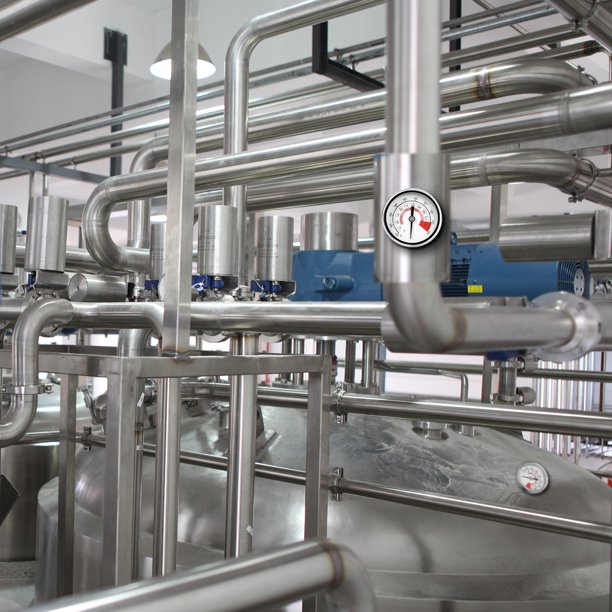
Os industrial instruments They are essential tools used in various sectors to measure, control and monitor processes. They play a crucial role in the automation and efficiency of industrial operations. These instruments may include pressure, temperature, flow and level gauges, as well as control devices that ensure processes are carried out within specific parameters.
Types of Industrial Instruments
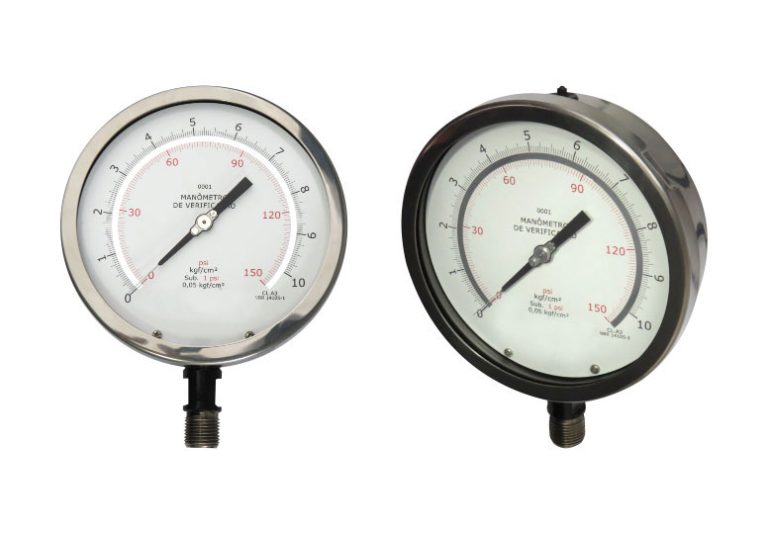
There are several types of industrial instruments, each designed for a specific function. For example, the pressure gauges are used to monitor the pressure of gases and liquids, while thermometers They are essential for measuring temperature in processes that require thermal control. You flow meters help monitor the amount of fluid passing through a point in a system, ensuring operations occur efficiently.
Importance of Instruments in Industry
The precision and reliability of industrial instruments are fundamental to the quality of the final product. Inaccurate instruments can lead to process failures, wasted materials and even safety risks. Therefore, choosing high-quality instruments is vital to ensure that industrial processes are carried out safely and efficiently.
How Industrial Instruments Work
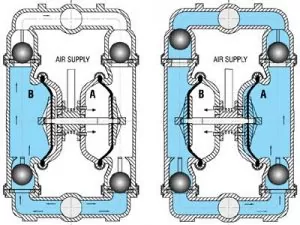
Industrial instruments work based on physical and chemical principles. For example, a pressure gauge may use a diaphragm that deforms under pressure, converting this deformation into an electrical signal that can be read and interpreted. This technology allows operators to monitor and adjust processes in real time, increasing efficiency and safety.
Why Is Accuracy Crucial?
A precision is a critical factor in any industrial operation. When we talk about industrial instruments, precision ensures that measurements and controls are carried out correctly, avoiding errors that could result in defective products or even accidents. Precision is essential to maintain quality and safety in all processes.
Impact of Inaccuracy
Inaccuracy can lead to a range of problems, including wasted materials, increased costs and production failures. For example, if a pressure gauge is not calibrated correctly, it can result in excessive or insufficient pressure, compromising the safety of the system and the quality of the final product.
Benefits of Precision
Accurate instruments allow companies to operate more efficiently. With accurate measurements, it is possible to optimize processes, reduce waste and improve product quality. Furthermore, accuracy contributes to compliance with standards and regulations, avoiding fines and penalties.
How to Ensure Accuracy
To ensure the accuracy of instruments, it is essential to carry out regular maintenance and calibrations. Companies should implement a preventive maintenance program that includes periodic checks and adjustments as needed. Furthermore, choosing high quality and reliable instruments, such as those offered by Dupulação, is essential to ensure accurate measurements.
Impact of Precision on Industry
O impact of precision on industry it is deep and comprehensive. Precision in industrial instruments not only ensures product quality, but also directly influences operational efficiency and process safety. When measurements are accurate, companies can operate with confidence, knowing they are meeting required standards.
Product Quality
One of the main consequences of precision is the improvement in the quality of the final product. Products manufactured with precise instruments are less likely to have defects, which results in greater customer satisfaction and fewer returns. This is especially important in sectors such as pharmaceuticals and automotive, where quality is critical.
Operational efficiency
Accuracy also contributes to operational efficiency. With accurate measurements, companies can optimize their processes, reducing waste and improving the use of resources. This translates into cost savings and increased productivity, allowing companies to remain competitive in the market.
Work Safety
Furthermore, precision is vital for safety in the workplace. Inaccurate instruments can lead to catastrophic failures, putting workers' lives at risk and causing damage to equipment. Therefore, ensuring accuracy is a matter of safety and responsibility.
How to Ensure Instrument Accuracy
Ensure the instrument accuracy is fundamental to the success of any industrial operation. There are several practices that can be adopted to ensure that instruments are always functioning correctly and providing accurate measurements.
Regular Calibration
Regular calibration is one of the most important steps to ensure accuracy. This involves adjusting instruments so that their measurements match known standards. Calibration frequency may vary depending on instrument type and application, but should be performed in accordance with the manufacturer's recommendations.
Preventive maintenance
In addition to calibration, preventative maintenance is essential. This includes regular inspections and replacing worn parts. A well-structured maintenance program helps identify problems before they affect instrument accuracy, avoiding unexpected downtime and additional costs.
Employee Training
Proper training of employees who operate and maintain the instruments is crucial. They must understand how to use instruments correctly and how to perform basic accuracy checks. This not only improves accuracy but also increases safety in the workplace.
Choosing Quality Instruments
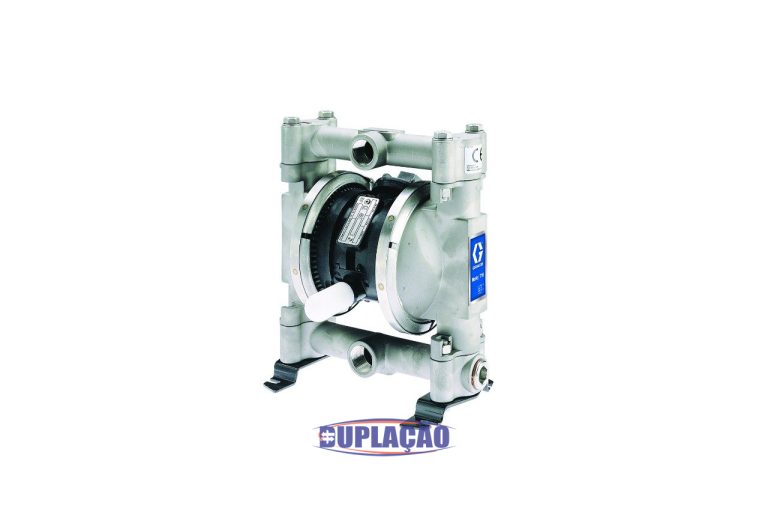
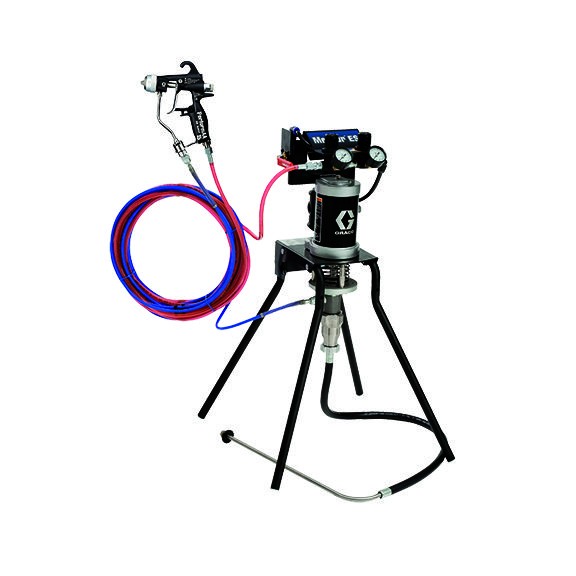
Finally, choosing high-quality instruments is essential. Opting for recognized brands such as Graco Inc. and Pneumax ensures that instruments perform reliably and accurately. Investing in quality equipment is an important step to ensuring long-term precision.
Importance of Precision in Industrial Instruments
Precision in industrial instruments is essential to guarantee quality, efficiency and safety in production processes. By adopting practices such as regular calibration, preventive maintenance and adequate training, companies can ensure that their instruments operate with maximum precision.
Furthermore, choosing high-quality equipment is an investment that brings significant returns in terms of productivity and safety. With guaranteed precision, industries can not only improve their products, but also optimize their processes and reduce costs.
Therefore, attention to precision is not just a technical issue, but a vital strategy for success in the competitive industrial environment.
FAQ – Frequently asked questions about precision in industrial instruments
Why is precision important in industrial instruments?
Precision is crucial to guarantee product quality, process efficiency and safety in the work environment.
How can I guarantee the accuracy of my industrial instruments?
You can ensure accuracy through regular calibrations, preventive maintenance, and proper employee training.
What are the risks of using inaccurate instruments?
Inaccurate instruments can lead to defective products, wasted materials and even accidents in the workplace.
How often should I calibrate my instruments?
The frequency of calibration depends on the type of instrument and application, but must follow the manufacturer's recommendations.
How important is it to choose quality instruments?
Choosing quality instruments is essential to guarantee accurate and reliable measurements, directly impacting the efficiency and safety of processes.
How does employee training affect instrument accuracy?
Well-trained employees know how to operate and maintain instruments correctly, which improves accuracy and reduces the risk of errors.