The maintenance and diagnosis of pneumatic equipment is crucial to ensure efficiency and safety. Inspect regularly, monitor air quality and use appropriate tools to diagnose problems, avoiding failures and increasing the useful life of the systems.
As main failures in pneumatic equipment can be a real nightmare for any operation. Knowing how to identify and correct them is essential to ensure efficiency and safety. In this article, we'll explore the most common types of failures, their causes, and best practices for keeping your pneumatic systems running smoothly.
Common Types of Failures in Pneumatic Equipment
Os common types of failures in pneumatic equipment can significantly impact the efficiency of an operation. Knowing these faults is essential for preventive maintenance and to avoid unexpected downtime. Below, we list some of the most frequent failures:
1. Air Leaks
Air leaks are one of the most common failures in pneumatic systems. They can occur due to loose connections, damaged hoses or worn seals. Identifying and fixing leaks quickly is crucial to maintaining system efficiency.
2. Actuator Failures
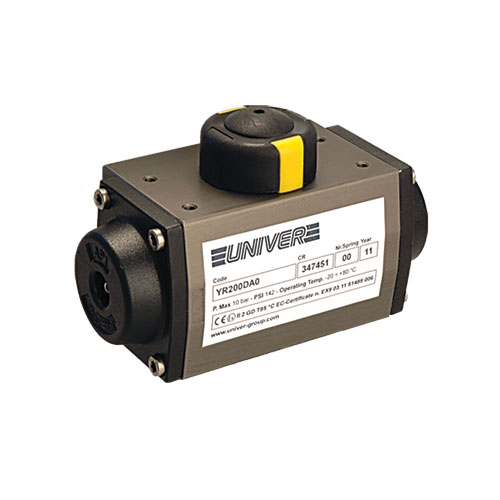
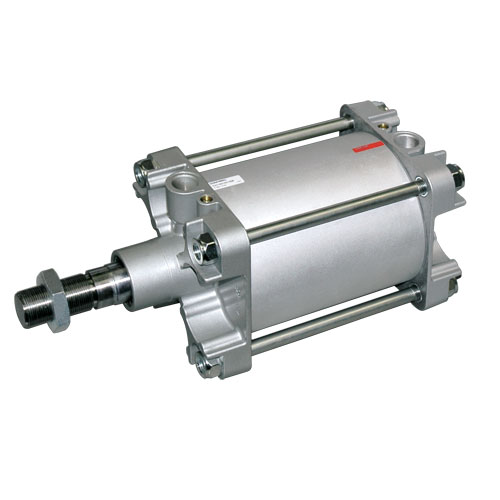
Pneumatic actuators can fail due to mechanical problems or lack of lubrication. This can result in inaccurate or slow movements, affecting productivity. Regular maintenance is vital to avoid these failures.
3. Valve Problems
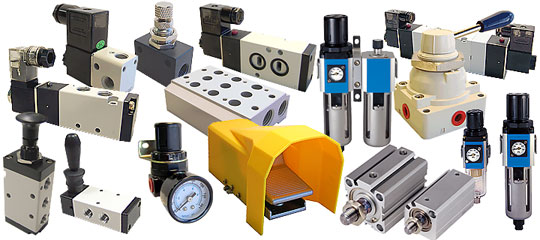
Valves are critical components in pneumatic systems. Failures can occur due to accumulation of dirt, corrosion or wear. This can lead to inadequate airflow control, compromising the entire system.
4. Air Contamination
Compressed air contamination can cause damage to pneumatic components. Particles, moisture and excess oil can affect equipment performance and life. Using suitable filters is an effective way to prevent this failure.
5. Electrical Failures
In automated pneumatic systems, electrical failures can occur due to wiring problems or sensor failures. This may result in malfunction of the pneumatic system. Regularly checking electrical components is essential to avoid interruptions.
Causes of Pneumatic Equipment Failures
Understand the causes of failures in pneumatic equipment It is essential to guarantee the efficiency and durability of systems. Several factors can contribute to the malfunction of this equipment. Below we present some of the main causes:
1. Natural wear and tear
Over time, pneumatic components suffer natural wear due to continuous use. This can lead to mechanical failures such as leaks and actuator failures. Regular maintenance is essential to identify and replace worn parts.
2. Lack of Maintenance
Lack of preventive maintenance is one of the main causes of failures. Without regular inspections, minor problems can escalate and cause significant failures. It is important to follow a maintenance schedule to avoid surprises.
3. Compressed Air Contamination
The presence of contaminants, such as moisture, oil and particles, in compressed air can damage pneumatic components. Inadequate filters or no filtering can result in failures. Installing effective filtration systems is crucial.
4. Incorrect Installation
Improper installation can lead to performance issues and crashes. Loose connections, poorly positioned hoses and lack of alignment can cause leaks and malfunctions. It is vital to follow the manufacturer's instructions during installation.
5. Adverse Environmental Conditions
Environmental conditions, such as extreme temperatures and high humidity, can affect the performance of pneumatic equipment. It is important to consider the operating environment when designing and installing pneumatic systems.
Consequences of Pneumatic Failures
As consequences of pneumatic failures can be severe and impact not only operational efficiency but also worker safety. Below, we discuss some of the main consequences that can arise due to failures in pneumatic systems:
1. Production Stops
A failure in pneumatic equipment can result in unexpected production stops. This not only affects productivity, but can also lead to delivery delays and customer dissatisfaction.
2. Equipment Damage
Pneumatic failures can cause damage to other equipment connected to the system. For example, an air leak can result in excessive pressure on adjacent components, leading to breakdowns and additional repair costs.
3. Increased Operating Costs
When failures occur, operating costs can increase significantly. This includes maintenance costs, repairs and the need for overtime to compensate for lost production.
4. Security Risks
Failures in pneumatic systems can pose risks to worker safety. Air leaks or actuator failures can cause accidents, endangering the health and safety of staff.
5. Impact on Product Quality
Pneumatic problems can affect the quality of the final product. Equipment that does not function properly can result in defective products, leading to complaints and returns.
How to Diagnose Pneumatic Problems
Diagnosing pneumatic problems is an essential skill for maintaining systems efficiency. Below we present some steps and techniques that can help identify faults:
1. Visual Inspection
Start with a detailed visual inspection of the pneumatic components. Check hoses, fittings and actuators for signs of wear, leaks or visible damage. Identifying visible problems early can prevent major failures.
2. Pressure Test
Performing pressure tests is an effective way to diagnose problems. Use pressure gauges to check whether the pressure is within the specified parameters. Abnormal pressures may indicate leaks or valve failures.
3. Noise Monitoring
Pay attention to unusual noises during equipment operation. Sounds such as clicking, squeaking or vibrations can be signs of mechanical problems or lack of lubrication. These signs should be investigated immediately.
4. Performance Analysis
Observe the performance of the equipment. If an actuator is not moving correctly or if the operating speed is below normal, it may indicate a problem. Comparison with historical data can help identify anomalies.
5. Use of Diagnostic Equipment
Diagnostic tools such as compressed air analyzers and pressure sensors can provide accurate data on system operation. These devices help identify problems that are not visible to the naked eye.
Tips for Maintaining Pneumatic Equipment
Carry out the maintenance of pneumatic equipment It is essential to guarantee the efficiency and durability of systems. Here are some practical tips for keeping your equipment in tip-top shape:
1. Establish a Maintenance Schedule
Create a regular preventative maintenance schedule. This should include periodic inspections, cleaning and replacement of worn parts. Keeping a record of maintenance performed helps identify patterns and future needs.
2. Check Connections and Hoses
Frequently inspect connections and hoses for leaks or damage. Loose connections can cause loss of pressure, while damaged hoses can compromise system operation. Replace any component that shows signs of wear.
3. Regular Cleaning
Dirt and contamination can affect the performance of pneumatic equipment. Regularly clean filters and components to ensure that the compressed air is free of contaminants. This helps to extend the life of the equipment.
4. Monitor Compressed Air Quality
Use suitable filters to ensure compressed air quality. The presence of moisture, oil and particles can cause damage to pneumatic components. Perform air quality tests regularly to identify and correct problems.
5. Team training
Ensure your staff is well trained to operate and maintain pneumatic equipment. Knowledge about operation and best maintenance practices can prevent failures and increase operational efficiency.
Maintenance and Diagnosis of Pneumatic Equipment
Maintaining and diagnosing problems in pneumatic equipment is crucial to ensuring efficiency and safety in operations. By following maintenance tips, such as establishing a regular schedule and monitoring compressed air quality, you can avoid failures and extend the life of your systems.
Additionally, diagnosing problems quickly using visual inspections and pressure tests helps minimize production downtime and operating costs. With a well-trained team and effective maintenance practices, your operation can stand out in the market.
Therefore, invest in the maintenance and diagnosis of your pneumatic equipment to ensure optimal performance and a safe working environment.
FAQ – Frequently asked questions about maintenance and diagnosis of pneumatic equipment
What are the signs that my pneumatic equipment needs maintenance?
Signs include visible leaks, unusual noises, pressure drops, and subnormal performance.
How often should I perform preventative maintenance on pneumatic equipment?
It is recommended to perform preventive maintenance every 3 to 6 months, depending on usage and operating conditions.
How can I identify leaks in pneumatic systems?
Visually inspect fittings and hoses, and use leak detection solutions such as soapy water to look for bubbles.
What tools are useful for diagnosing pneumatic problems?
Tools such as pressure gauges, compressed air analyzers and pressure sensors are essential for diagnosing problems in pneumatic systems.
What should I do if I encounter a problem during maintenance?
If you encounter a problem, it is important to stop operation and make necessary repairs before restarting the equipment.
How does compressed air quality affect the performance of pneumatic equipment?
The quality of compressed air is crucial; Contaminants can cause damage to components, resulting in failures and reduced efficiency.