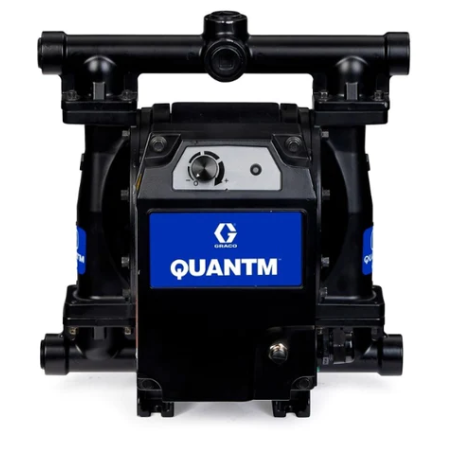
As pneumatic diaphragm pumps They are widely used in various industrial sectors, such as the chemical, food and beverage industries, and the petroleum industry. This popularity is mainly due to its versatility and ability to handle different types of fluids, even the most challenging ones.
In this context, the choice of diaphragm material is crucial, as it plays a fundamental role in the durability, efficiency and performance of the pumps. Choosing the material correctly can make all the difference in the efficiency of your operation, including influencing the pump maintenance process.
What is the Function of Diaphragms?
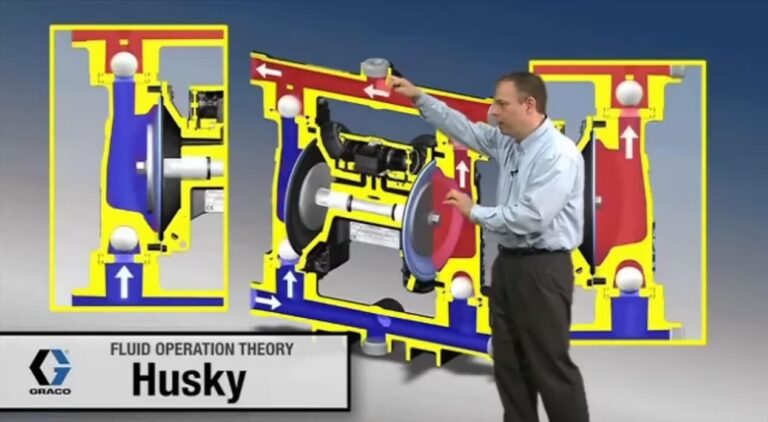
The diaphragm is the most important component of your pneumatic pump, being responsible for propelling the fluid through the system. This component is driven by compressed air and needs to be flexible enough to allow movement, as well as resistant enough to withstand contact with aggressive substances and operating pressures.
This component acts as a physical barrier that separates the pumped fluid from the mechanical components of the bomba. This separation is essential to prevent corrosion and ensure that internal components are not exposed to abrasive or corrosive chemical fluids, thus preserving the durability of the equipment.
The durability, resistance and ability to withstand wear and tear make the diaphragm one of the main factors that influence the useful life of the pump. The use of inappropriate material can result in leaks, failures and even contamination of fluids.
How to Choose the Ideal Diaphragm Material for Your Pneumatic Pump
Choosing the ideal material for the diaphragm of your pneumatic pump must take several factors into consideration. The following are the main criteria to be considered during the selection process:
Chemical compatibility: This is the most important criterion when choosing diaphragm material. The material needs to be resistant to chemical attacks from the fluid that will be pumped, without compromising its integrity. For example, when pumping solvents or acids, materials such as PTFE are recommended due to their high chemical resistance.
Temperature: Operating temperature conditions also play a crucial role in the choice of diaphragm material. Some materials are suitable for high temperature applications, such as EPDM, while others, such as nitrile, are better suited for moderate temperatures.
Abrasion Resistance and Flexibility: Abrasion resistance and flexibility are fundamental aspects, especially when pumping liquids with solid particles or very viscous fluids. Flexibility allows the diaphragm to move without causing fatigue in the material, making it necessary to balance these two characteristics.
Main Types of Diaphragm Materials and Their Applications
To meet diverse demands, there is a wide variety of materials available for manufacturing diaphragms. Each one has specific characteristics and applications, as described below:
PTFE: PTFE is widely recognized for its chemical resistance, making it ideal for pumping corrosive fluids such as solvents and acids. Although it has less flexibility, it is extremely durable in aggressive environments.
Nitrile: Nitrile is one of the most used materials in pneumatic pump diaphragms, mainly due to its excellent resistance to petroleum-based fluids, oils and greases, in addition to being a low-cost option. However, it is not suitable for pumping solvents and acids as it degrades quickly upon contact with these materials. Additionally, nitrile offers flexibility and resistance at moderate temperatures.
Santoprene: Santoprene combines the characteristics of rubber with the processability of thermoplastic. It offers excellent chemical resistance, flexibility and wear resistance, making it ideal for pumping slightly corrosive fluids.
EPDM: EPDM is resistant to heat, ozone and alkaline chemicals, making it an excellent choice for pumping abrasive fluids and for high temperature operations.
Neoprene: This material is very resistant to oil, ozone and abrasive fluids, and is often used in applications where these factors are critical. However, it does not have as much chemical resistance as PTFE, for example.
Other Factors That Should Be Considered
In addition to the choice of material, other factors also impact the results of your operation. Initial cost and maintenance requirements are one such factor, as more expensive materials can offer a longer lifespan and reduce maintenance costs. In contrast, cheaper materials may require frequent replacement, increasing downtime.
Another important aspect is energy efficiency: stiffer materials can increase resistance to movement, requiring more energy to operate the equipment, which can increase operating costs. Therefore, it is essential to choose a material that balances resistance and flexibility.
Regular maintenance is essential, regardless of the choice of material, but the type of diaphragm used can directly affect the maintenance protocol. Frequent inspections and preventative replacements help prevent failures and reduce downtime, increasing operation efficiency and reliability.
To guarantee the best result, it is important to enlist the help of experts or the pump manufacturer for guidance on the most suitable material. Consulting compatibility tables is also essential in this process, helping to identify the best materials to meet your needs.
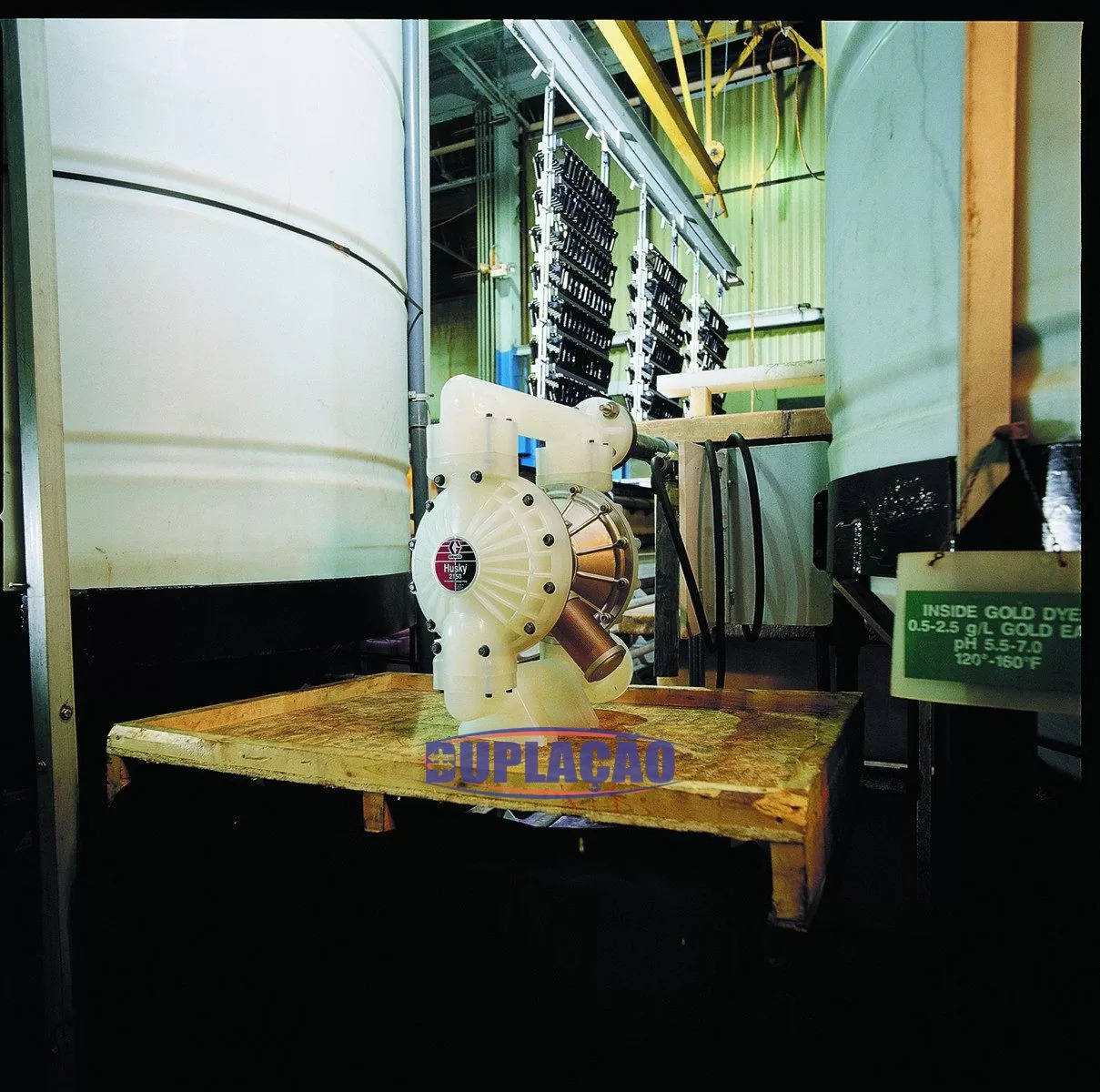
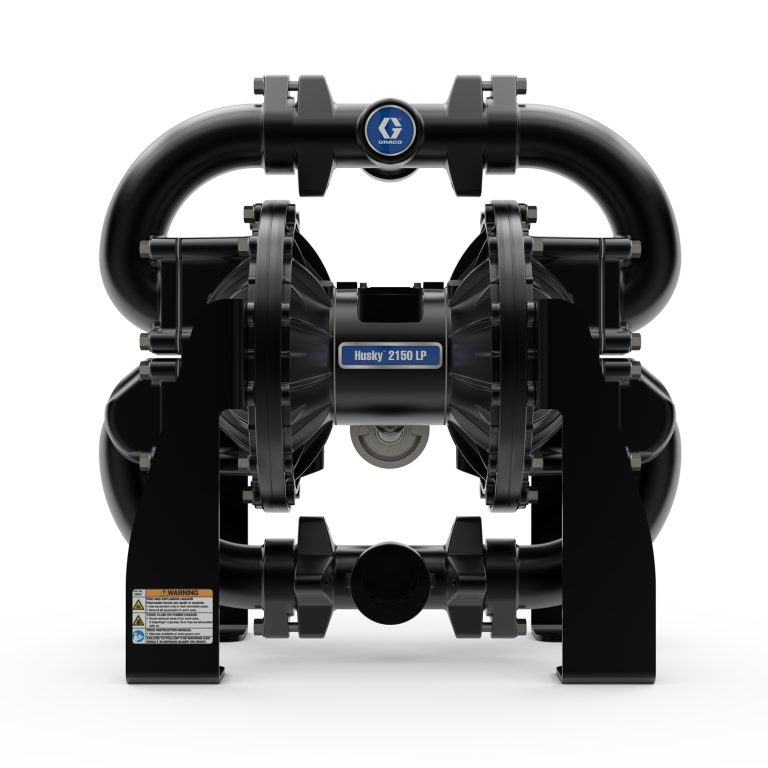
Know the Double diaphragm pneumatic pumps - Husky 2150 - Graco