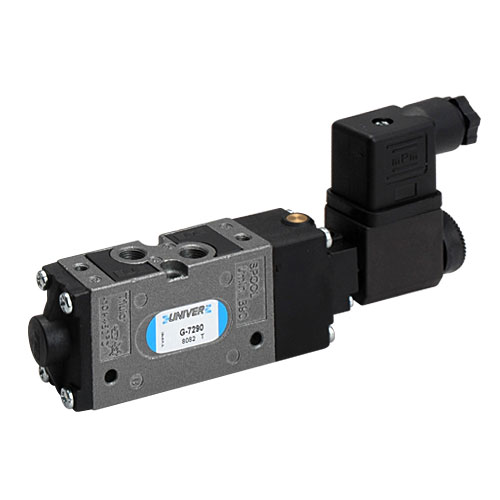
Proper lubrication of pneumatic pumps is essential to ensure efficiency and durability. Choosing the correct lubricant, carrying out regular maintenance and avoiding common mistakes are fundamental practices to maximize performance and extend the useful life of the equipment.
The **lubrication of pneumatic pumps necessary** is a topic that deserves attention, as it guarantees the durability and efficiency of industrial operations. In this article, we will discuss what this lubrication is, why it is so crucial, and how you can carry out this process correctly. Stay tuned, as some tips can make all the difference in the useful life of your pumps!
What is pneumatic pump lubrication?
A pneumatic pump lubrication It is an essential process that ensures the proper functioning and longevity of these equipment. This procedure involves the application of specific lubricants that help reduce friction between the moving parts of the bomba, minimizing wear and preventing failures.
There are different types of lubricants that can be used, depending on the pump model and operating conditions. It is important to choose the correct lubricant to ensure the efficiency and safety of the equipment.
How does lubrication work?
Lubrication works by creating a protective film between metal surfaces, which prevents direct contact and, consequently, wear. Furthermore, lubrication helps to dissipate the heat generated by friction, keeping the pump at adequate operating temperatures.
When to perform lubrication?
The frequency of lubrication depends on the use of the pump and the manufacturer's recommendations. In general, it is advisable to carry out lubrication at regular intervals, especially in industrial environments where pumps are subject to severe conditions.
Benefits of Proper Lubrication
Proper lubrication not only extends the life of the pump, but also improves its performance. Well-lubricated pumps operate more efficiently, resulting in lower energy consumption and reduced operating costs.
Therefore, the lubrication of pneumatic pumps is a crucial aspect that should not be neglected. Investing time and resources in this process can bring significant returns in terms of equipment efficiency and durability.
Importance of lubrication for efficiency
A importance of lubrication for efficiency of pneumatic pumps cannot be underestimated. Adequate lubrication is essential to ensure that pumps operate at their optimal performance, reducing wear and increasing the useful life of the equipment.
When pneumatic pumps are well lubricated, they have less resistance to movement, resulting in smoother, more efficient operation. This means that less energy is required to operate the pump, leading to a reduction in operating costs.
Wear Reduction
Lubrication acts as a protective barrier between moving parts, preventing direct contact and, consequently, premature wear. This is especially important in industrial environments where pumps are subject to harsh conditions.
Performance Improvement
Well-lubricated pumps not only run more efficiently, they also perform more reliably. This means fewer unscheduled stops and greater productivity in operations.
Impact on Maintenance
Adequate lubrication can significantly reduce the need for corrective maintenance. This translates into fewer disruptions to operations and a better return on equipment investment.
Therefore, lubrication is not just a best practice, but a necessity to ensure the efficiency and reliability of pneumatic pumps in any industrial application.
How to carry out correct lubrication
Carry out the correct lubrication of pneumatic pumps is essential to guarantee their performance and durability. Here are some steps and tips to ensure this process is done effectively.
1. Choice of Lubricant
The first step is to select the appropriate lubricant. Check the pump manufacturer's recommendations to choose a product that meets the necessary specifications. Oil- or grease-based lubricants are common, but the choice depends on the type of pump and operating conditions.
2. Lubrication Frequency
The frequency of lubrication should be determined based on the use of the pump. In general, it is recommended to lubricate pneumatic pumps every 500 hours of operation or as indicated by the manufacturer. In harsh environments, this frequency may need to be increased.
3. Application Method
There are different methods for applying the lubricant, such as using grease guns or grease fittings. Apply the lubricant to the designated areas, ensuring it penetrates the moving parts of the pump. Avoid excess, as lubricant build-up can cause problems.
4. Monitoring and Inspection
After lubrication, it is important to monitor pump performance. Perform regular inspections to check for leaks or signs of wear. This will help identify problems before they become critical.
5. Maintenance Record
Keep a detailed record of all lubrication and maintenance activities. This not only helps ensure that lubrication is done on schedule, but also provides a useful history for future maintenance.
Tips for maintaining pneumatic pumps
Maintain the pneumatic pumps in good condition is essential to guarantee its efficient functioning and extend its useful life. Here are some practical tips for properly maintaining this equipment.
1. Regular inspections
Perform periodic inspections on pneumatic pumps to identify signs of wear or failure. Check for leaks, unusual noises or excessive vibrations, which may indicate problems.
2. Proper Cleaning
Keep pumps clean and free from dirt and debris. Dirt can interfere with operation and cause damage. Use appropriate cleaning products and avoid the use of aggressive solvents that could damage the components.
3. Consistent Lubrication
As mentioned earlier, lubrication is crucial. Follow the manufacturer's recommendations regarding the frequency and type of lubricant to be used. Proper lubrication reduces friction and wear on parts.
4. Performance monitoring
Monitor pump performance regularly. This includes checking pressure, flow and operating temperature. Any deviation from normal parameters may indicate the need for maintenance.
5. Team training
Ensure that the team responsible for operating and maintaining the pumps is well trained. Adequate knowledge about the operation and maintenance needs of pumps is essential to avoid errors that could lead to failures.
By following these tips, you can ensure that your pneumatic pumps operate efficiently and reliably, minimizing the risk of unscheduled downtime and increasing productivity.
Common lubrication mistakes
There are several common lubrication mistakes of pneumatic pumps that can compromise their performance and durability. It is important to be aware of these errors to avoid them and ensure the efficiency of the equipment.
1. Use of Inadequate Lubricant
One of the most frequent mistakes is choosing a lubricant that does not meet the manufacturer's specifications. Each pump has specific requirements, and using the wrong type can cause damage and reduce efficiency.
2. Excessive Lubricant Application
Applying too much lubricant is another common mistake. Lubricant buildup can lead to leaks and contamination, as well as making it difficult for the pump to function properly. It is essential to follow recommended application guidelines.
3. Lack of Regularity in Lubrication
Neglecting lubrication frequency can result in premature wear of parts. It is important to establish a lubrication schedule and strictly adhere to it to ensure that the pump operates optimally.
4. Ignore Signs of Wear
Some operators may ignore signs of wear or failure, such as abnormal noises or vibrations. These signs may indicate the need for lubrication or maintenance and should be addressed immediately to prevent further damage.
5. Not Carrying Out Inspections After Lubrication
After lubrication, it is essential to carry out inspections to ensure that the lubricant is distributed correctly and that there are no leaks. This helps identify problems before they become critical.
Avoiding these common mistakes can significantly increase the efficiency and lifespan of pneumatic pumps, ensuring safer and more productive operations.
Importance of Lubrication and Maintenance of Pneumatic Pumps
Proper lubrication and regular maintenance of pneumatic pumps are essential to ensure their efficient operation and prolong their useful life. By following best practices, such as choosing the right lubricant, performing periodic inspections, and avoiding common mistakes, you can maximize the efficiency of your equipment.
Furthermore, awareness of the importance of lubrication helps prevent failures and reduce operating costs. With a proactive approach, you can keep your pumps in optimal condition, ensuring safer and more productive operations.
Therefore, do not underestimate the importance of proper lubrication and maintenance. These precautions are fundamental to the success of your industrial operations.
FAQ – Frequently asked questions about pneumatic pump lubrication
Why is lubrication important for pneumatic pumps?
Lubrication is crucial to reduce friction between moving parts, preventing wear and extending the useful life of the pump.
How often should I lubricate my pneumatic pump?
Lubrication frequency depends on use, but is generally recommended every 500 hours of operation or as indicated by the manufacturer.
What type of lubricant should I use?
It is important to use the lubricant recommended by the pump manufacturer, which meets the necessary specifications for your model.
What are the signs that my pump needs lubrication?
Signs include abnormal noises, excessive vibrations and subnormal performance, which may indicate the need for lubrication.
What should I avoid when lubricating pneumatic pumps?
Avoid using inappropriate lubricants, applying too much and neglecting the frequency of lubrication, as this can cause damage.
How can I ensure that lubrication is done correctly?
Follow the manufacturer's recommendations, perform regular inspections, and keep a record of maintenance activities to ensure effectiveness.