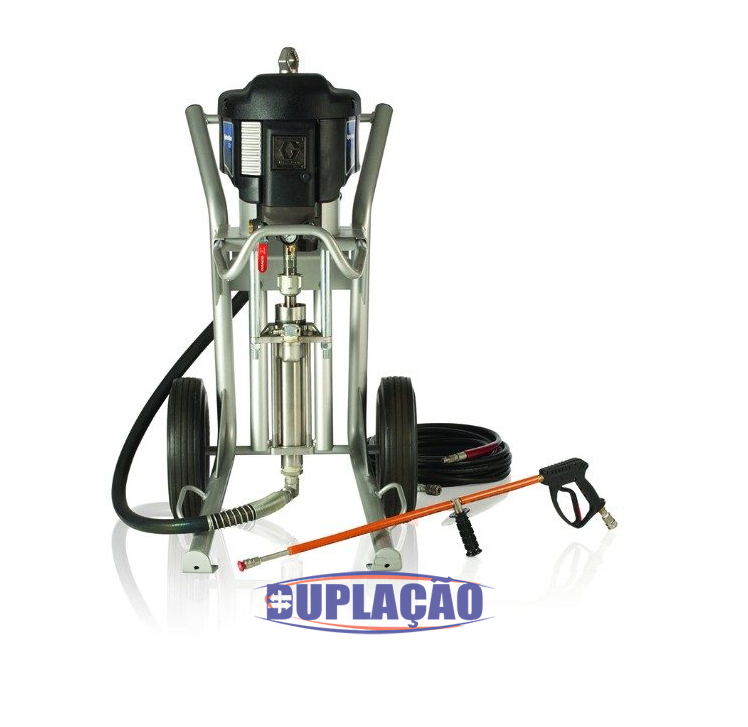
Diaphragm pumps are efficient and versatile devices for handling corrosive and viscous fluids, widely used in industries such as chemicals and food. They offer advantages such as low maintenance, safe operation and energy efficiency, making them an ideal choice for various industrial applications.
The use of diaphragm pumps in systems has gained prominence in modern industry, being an effective and versatile solution for various applications. In this article, we will discuss everything about these pumps, from their features to the benefits they offer. Get ready to discover how this technology can optimize operations and improve results in different sectors.
What are Diaphragm Pumps?
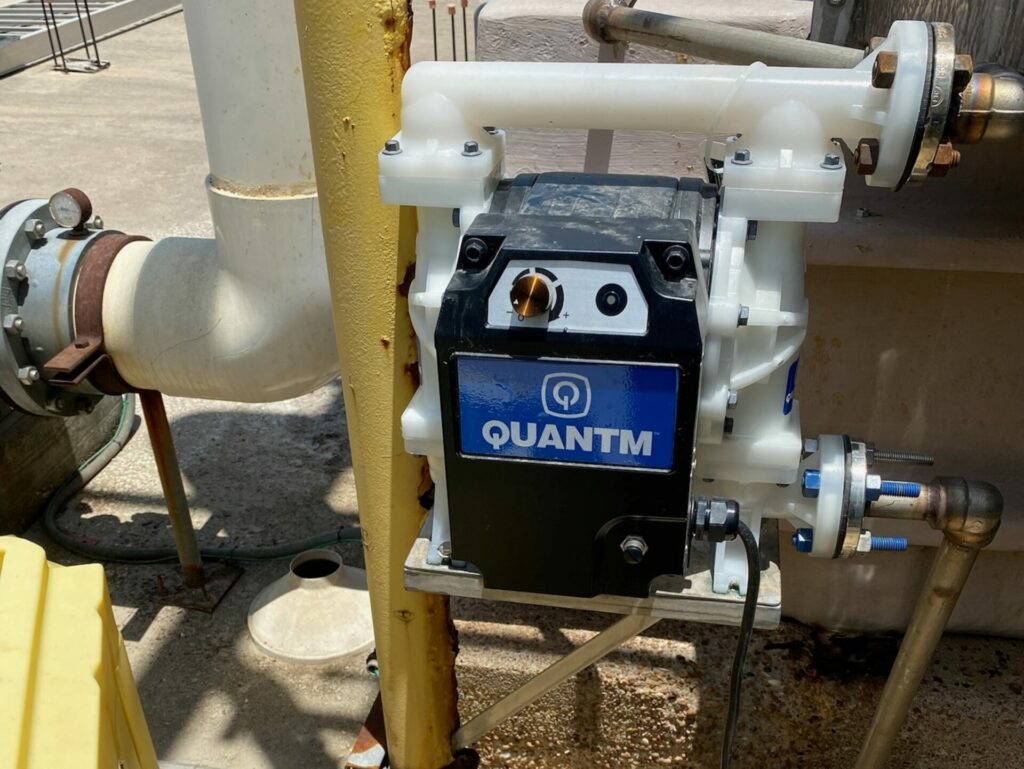
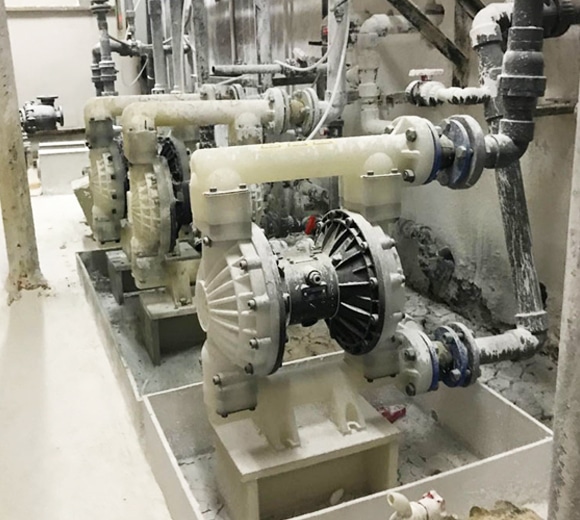
Diaphragm pumps are pumping devices that use a flexible diaphragm to move fluids. They are widely used in various industries due to their ability to handle viscous, corrosive liquids and even suspended solids. The operation of these pumps is based on alternating pressure, where the diaphragm moves up and down, creating a suction and discharge action.
How Diaphragm Pumps Work
These pumps operate through a pneumatic or hydraulic mechanism that drives the diaphragm. When the diaphragm moves downward, it creates an area of low pressure that sucks fluid into the pumping chamber. Then, when moving upward, the diaphragm presses the fluid outward, generating the pressure necessary to transport the liquid.
Types of Diaphragm Pumps
There are different types of diaphragm pumps, including pneumatic pumps, which are driven by compressed air, and electric pumps, which use electric motors. Each type has its advantages and is suitable for specific applications, depending on the characteristics of the fluid and operating conditions.
Advantages of Diaphragm Pumps
One of the main advantages of diaphragm pumps is their ability to operate in harsh environments where other types of pumps may fail. Additionally, they are self-priming, which means they can function even when they are not completely submerged in the fluid. This makes them ideal for applications where reliability is crucial.
Common applications
Diaphragm pumps are used in a variety of applications, including transporting chemicals, water, sludge and even food. Their versatility and efficiency make them a popular choice in industries such as pharmaceuticals, chemicals and water treatment.
Advantages of Using Diaphragm Pumps
Or use of diaphragm pumps offers several advantages that make them a preferred choice in many industrial applications. One of the main advantages is its ability to handle viscous and corrosive fluids without compromising the integrity of the equipment. This is especially important in sectors such as chemicals and pharmaceuticals, where safety and efficiency are crucial.
Energy efficiency
Diaphragm pumps are known for their energy efficiency. They consume less energy compared to other types of pumps, resulting in long-term operating cost savings. This is particularly advantageous in operations that require continuous operation.
Versatility
These pumps are extremely versatile and can be used in a wide range of applications, from transporting liquids to precisely dosing chemicals. Their ability to handle different types of fluids makes them ideal for varied industrial environments.
Low maintenance
Diaphragm pumps require less maintenance compared to other pumping systems. This is due to its simple and robust design, which minimizes wear and tear and extends the useful life of the equipment. This results in fewer unscheduled stops and greater productivity.
Safe Operation
One of the most important features of diaphragm pumps is their safe operation. They are designed to prevent leaks, which is essential when dealing with hazardous substances. This not only protects workers, but also the environment.
Common Applications in Systems
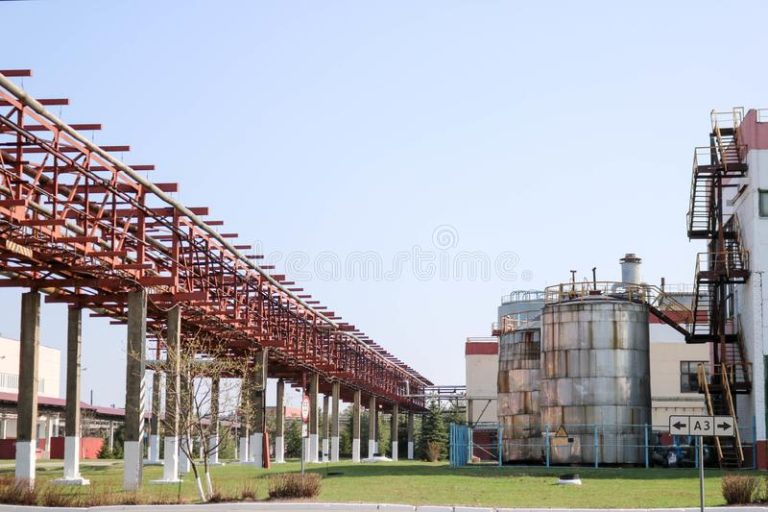
As diaphragm pumps They are widely used in various industrial applications due to their versatility and efficiency. One of the most common applications is in the transport of corrosive and viscous liquids, where the integrity of the equipment is crucial. These pumps are often employed in chemical and petrochemical industries where the safe handling of hazardous substances is a priority.
Chemical industry
In the chemical sector, diaphragm pumps are used to pump chemicals, solvents and acids. Their ability to handle aggressive fluids without leaks makes them ideal for this application. Furthermore, they can be used in dosing processes, ensuring precision in the amount of product transferred.
Water treatment
Diaphragm pumps also play an important role in water and wastewater treatment. They are used to pump sludge and other waste, helping to maintain the efficiency of treatment systems. Its safe and reliable operation is essential to guarantee the quality of treated water.
Food industry
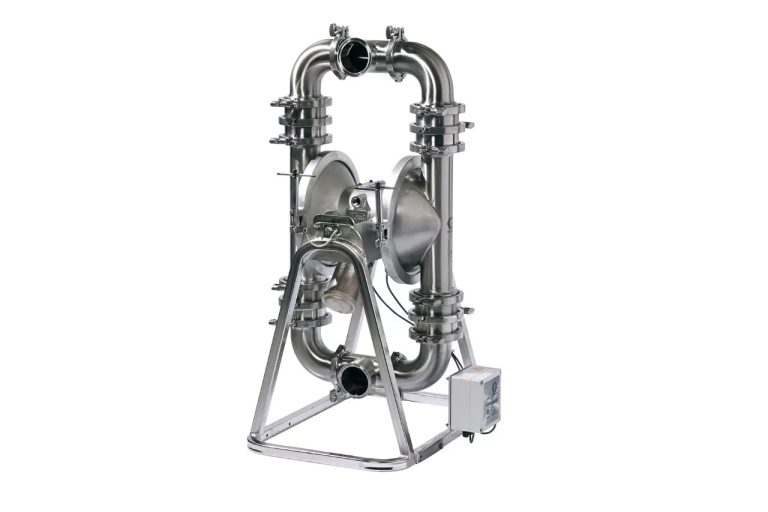
In the food industry, diaphragm pumps are used to transport liquids, such as juices and sauces, where hygiene and food safety are fundamental. These pumps are designed to meet safety standards and can be easily cleaned, ensuring compliance with health regulations.
Applications in Painting and Coatings
Diaphragm pumps are often used in painting and coating systems, where precision in applying paints and coatings is essential. They allow precise flow control, ensuring uniform, high-quality coverage.
Other Industrial Applications
In addition to the applications mentioned, diaphragm pumps are used in a variety of other industries, including pharmaceuticals, mining and construction. Their ability to operate in harsh conditions and handle different types of fluids makes them a popular choice in many industries.
Maintenance and Necessary Care
The proper maintenance of diaphragm pumps It is essential to guarantee its optimal performance and extend its useful life. Below, we present some best practices for necessary maintenance and care.
Regular inspection
Carrying out regular inspections is essential to identify signs of wear or damage. Check for leaks, abnormal noises or changes in the performance of the bomba. Early detection of problems can prevent major failures and repair costs.
Cleaning
Diaphragm pumps should be cleaned periodically, especially if they are dealing with viscous or corrosive fluids. Remove residue and deposits that may accumulate, as this may affect the operation of the pump. Use suitable cleaning products that will not damage the pump components.
Component Check
It is important to check the pump components, such as the diaphragm, valves and seals. The diaphragm, in particular, should be inspected for cracks or wear. If any component is damaged, it must be replaced immediately to prevent system failure.
Lubrication
Some diaphragm pumps may require lubrication of moving parts. Consult the manufacturer's manual to find out which components require lubrication and which products are recommended. Proper lubrication helps reduce friction and wear, improving pump efficiency.
Team training
Training the team that operates and maintains diaphragm pumps is crucial. They must be aware of best operation and maintenance practices and know how to identify potential problems. Well-trained personnel can significantly contribute to equipment longevity and efficiency.
Comparison with Other Types of Pumps
As diaphragm pumps They stand out in several applications, but it is important to compare them with other types of pumps to understand their advantages and disadvantages. Here, we look at how diaphragm pumps compare to other common types, such as centrifugal pumps and gear pumps.
Centrifugal bombs
Centrifugal pumps are widely used to move liquids at high flow rates. They work using a rotor that creates a centrifugal force, pushing the liquid out. Although they are efficient for low-viscosity liquids, centrifugal pumps are not ideal for viscous fluids or fluids with suspended solids, where diaphragm pumps perform best.
Gear pumps
Gear pumps are designed to provide a constant flow and are often used in high pressure applications. They are effective for viscous liquids, but can be more complex in terms of maintenance. Diaphragm pumps, on the other hand, offer simpler operation and require less maintenance, making them a more practical option in many cases.
Energy efficiency
In terms of energy efficiency, diaphragm pumps generally consume less energy compared to centrifugal pumps, especially in applications that require continuous operation. This can result in significant savings in operating costs over time.
Safety and Fluid Handling
Diaphragm pumps are designed to prevent leaks, which is crucial when dealing with dangerous fluids. In comparison, centrifugal pumps can present leakage risks if not properly maintained. This makes diaphragm pumps a safer choice in environments where safety is a priority.
Comparison Conclusion
While each type of pump has its own advantages, diaphragm pumps excel in applications that require safe handling of corrosive and viscous fluids, as well as offering ease of maintenance. The choice of pump type must be based on the specific needs of the application and the characteristics of the fluid to be pumped.
Final Thoughts on Diaphragm Pumps
Diaphragm pumps are an effective and versatile solution for various industrial applications. Their ability to handle corrosive and viscous fluids, combined with energy efficiency and safe operation, makes them a popular choice in many industries.
Additionally, the simple maintenance and durability of these pumps ensure that they can operate reliably over time. Compared to other types of pumps, such as centrifugal and gear pumps, diaphragm pumps stand out in terms of safety and ease of use.
Therefore, when considering the best option for your pumping needs, diaphragm pumps should be considered as a reliable and efficient solution.
FAQ – Frequently asked questions about Diaphragm Pumps
What are diaphragm pumps and how do they work?
Diaphragm pumps are devices that use a flexible diaphragm to move fluids, creating a suction and discharge action through alternating pressure.
What are the main advantages of diaphragm pumps?
Key advantages include the ability to handle corrosive and viscous fluids, energy efficiency, low maintenance and safe operation.
In which industries are diaphragm pumps commonly used?
They are widely used in the chemical, food, water treatment industries and in painting and coating systems.
How are diaphragm pumps maintained?
Maintenance includes regular inspections, cleaning, component checks, lubrication and training of staff who operate the pumps.
How do diaphragm pumps compare to other types of pumps?
They excel in applications that require safe handling of viscous and corrosive fluids, offering ease of maintenance compared to centrifugal and gear pumps.
What is the expected lifespan of a diaphragm pump?
A vida útil de uma bomba diafragma pode variar, mas com manutenção adequada, elas podem operar de forma confiável por muitos anos.