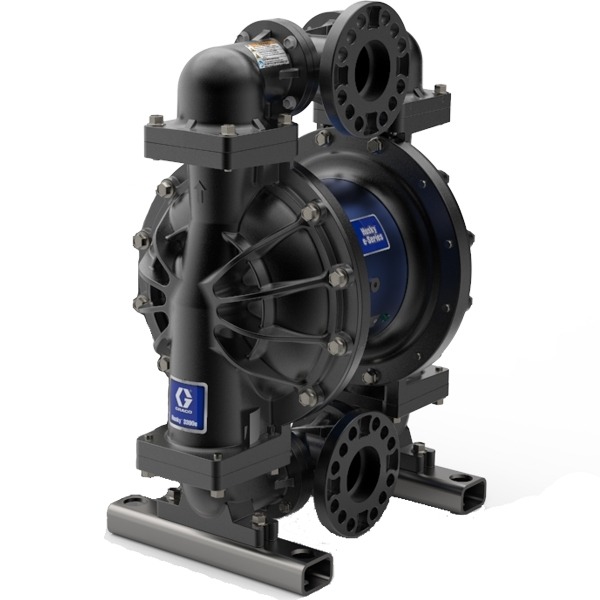
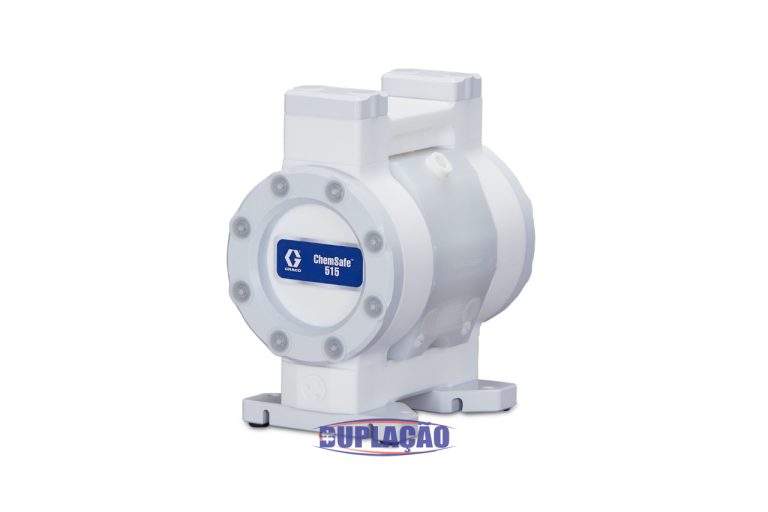
Diaphragm pumps play a crucial role in several industries, especially in sludge management in water treatment plants and industrial processes. They are designed to handle dense and abrasive materials, ensuring the effective transport of complex fluids such as sludge and other waste. However, like any equipment, diaphragm pumps can face operational challenges that affect their performance. In this article, we will explore the main issues faced by diaphragm sludge pump systems and how to address them efficiently.
Clogging: The Most Frequent Challenge
Clogging is one of the most common issues in sludge pumping systems. In the diaphragm pumps, this may occur due to the presence of solid materials or debris entering the bomba, blocking the flow. Thicker or more viscous sludge can also be difficult to transport, increasing the risk of jams. Without adequate filtration, larger particles end up damaging the system’s efficiency. When there is clogging, not only does the pump's performance drop, but energy consumption increases, increasing operating costs and reducing the useful life of the equipment.
How to Avoid and Resolve Clogs in Diaphragm Pumps
Preventive maintenance: A regular maintenance is critical to ensuring diaphragm pumps operate efficiently. Periodic inspections can identify potential problems before they cause significant failures, preventing unexpected downtime.
Appropriate Filtering and Screening: Implementing robust screening and filtration systems is essential to prevent debris and unwanted materials from entering the pump. This considerably reduces the risk of blockages and improves sludge flow.
Settings Adjustment: In some cases, adjusting the speed or operating pressure of the diaphragm pump can help prevent or resolve clogs. Lower speed operation can minimize wear and better handle denser materials, while a temporary increase in speed can help clear small blockages.
The Importance of Choosing the Correct Diaphragm Pump
The choice of diaphragm pump suitable for the type of sludge processed is essential. More robust models with diaphragms designed for high-viscosity fluids can better handle the challenges of sludge transport, reducing the risk of failure. Furthermore, the use of abrasion-resistant materials in the pump's internal components prolongs its durability, even in continuous and severe operations.
Keeping diaphragm pumps in perfect working order is possible through a combination of adequate maintenance, operational adjustments and the correct choice of equipment for each application. In this way, companies ensure greater efficiency and avoid high costs with repairs and replacements, maximizing the useful life of their pumping systems.