The fluid wave is an important phenomenon in engineering, especially in systems involving the movement of liquids and gases. Understanding how fluid waves behave can optimize industrial processes and improve the efficiency of pneumatic and hydraulic systems.
Definition of Fluid Wave: Exploration of the concept of fluid wave and its main characteristics.
Definition of Fluid Wave: A fluid wave is a phenomenon that occurs when a disturbance propagates through a fluid medium, such as liquids or gases. This disturbance can be caused by variations in pressure, temperature or movement. Fluid waves can be classified into longitudinal and transverse waves depending on the direction of oscillation of the particles in relation to the direction of wave propagation.
Main Features: Fluid waves have some fundamental characteristics such as wavelength, frequency and amplitude. Wavelength is the distance between two consecutive points in phase, while frequency is the number of cycles that occur in one second. Amplitude refers to the maximum height of the wave in relation to the equilibrium position. These characteristics are essential for understanding how fluid waves behave in different conditions and applications.
Importance in Industrial Applications: The fluid wave plays a crucial role in various industrial applications, especially in pneumatic and hydraulic systems. For example, in fluid transport systems, waves can affect flow efficiency and cause unwanted vibrations. Understanding fluid waves allows you to optimize the design of piping and equipment, ensuring more efficient and safe performance.
Causes and Effects of Fluid Waves: Fluid waves can be generated by various causes, such as sudden changes in pressure, movement of valves or pumps, and even natural phenomena. These disturbances can result in unwanted effects, such as cavitation, which can damage system components. Additionally, fluid surges can cause pressure fluctuations, leading to operational failures and increased equipment wear.
Solutions to Minimize Related Problems: To control and mitigate the effects of fluid waves, several strategies can be adopted. Installing devices such as pulsation dampers and relief valves can help reduce unwanted oscillations. Furthermore, the use of appropriate materials and the correct sizing of pipes are essential to minimize the impacts of fluid waves. Regular system maintenance is also essential to ensure equipment operates efficiently and safely.
Importance in Industrial Applications: Analysis of how the fluid wave influences processes in pneumatic and hydraulic systems.
Importance in Industrial Applications: The fluid wave is a fundamental concept in engineering, especially in pneumatic and hydraulic systems. These systems are widely used in industries such as automotive, petrochemical and manufacturing. The presence of fluid waves can directly influence the efficiency and safety of these processes.
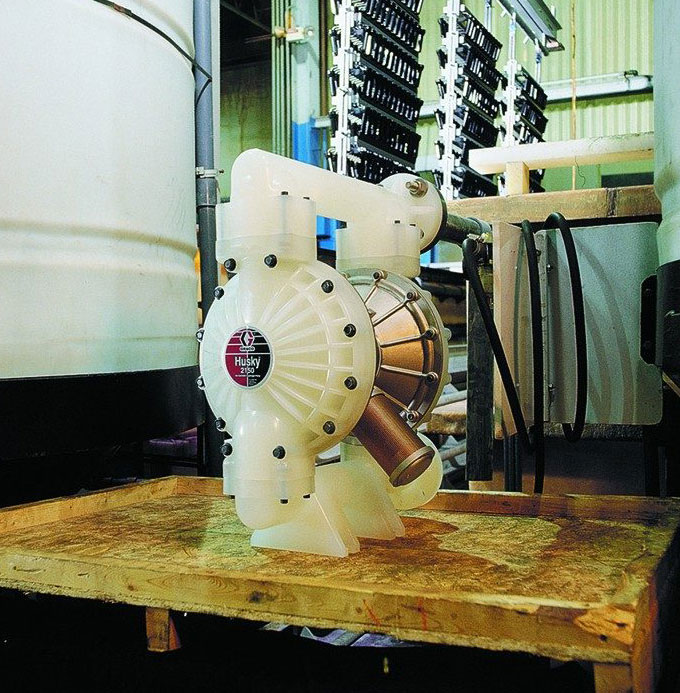
When a fluid wave propagates, it can cause pressure variations that affect the performance of pumps and valves. For example, in a hydraulic system, a pressure wave can result in cavitation, which is the formation of vapor bubbles that can damage internal components. This can lead to unscheduled downtime and high maintenance costs.
Furthermore, fluid waves can generate unwanted vibrations, which not only affect the integrity of equipment, but can also compromise the quality of the final product. In painting systems, for example, the uniformity of the application can be compromised by these fluctuations.
Therefore, understanding how fluid waves behave and how they interact with systems is crucial to optimizing the design and operation of these processes. Careful analysis of fluid waves allows engineers and technicians to implement solutions that increase efficiency, reduce equipment wear and improve final product quality.
Causes and Effects of Fluid Waves: Discussion of the factors that generate fluid waves and their impacts on fluid transport systems.
Causes and Effects of Fluid Waves: Fluid waves are generated by several factors that can occur in fluid transport systems. One of the main causes is the sudden change in pressure, which can happen when a valve is closed quickly or when there is a sudden change in flow velocity. These changes create waves that propagate through the fluid, which can result in significant effects.
Another factor that contributes to the formation of fluid waves is the pump movement. When a pump starts or stops operating, the change in pressure can generate waves that spread throughout the system. This is especially critical in hydraulic systems, where pressure is a vital element for proper functioning.
The effects of fluid waves can be varied. One of the most common is the cavitation, which occurs when fluid pressure drops below vapor pressure, forming vapor bubbles that can collapse and cause damage to system components. Furthermore, waves can cause vibration unwanted effects, which not only affect the integrity of the equipment, but can also compromise the quality of the final product.
In transport systems, fluid waves can result in Pressure fluctuations, which can lead to operational failures and increase equipment wear. Therefore, it is crucial to understand the causes and effects of fluid surges to implement effective solutions that ensure system efficiency and safety.
Solutions to Minimize Related Problems: Strategies and technologies to control and mitigate the unwanted effects of fluid waves in industrial systems.
Solutions to Minimize Related Problems: To control and mitigate the unwanted effects of fluid waves in industrial systems, several strategies and technologies can be implemented.
One of the most effective approaches is the use of pulsation dampers. These devices are designed to absorb pressure fluctuations, reducing the intensity of fluid waves that propagate through the system.
Another important solution is the installation of relief valves. These valves act as safety devices, releasing excessive pressure when they detect fluctuations that could cause damage. This not only protects the equipment, but also guarantees the continuity of the production process.
O adequate piping sizing is crucial to minimizing the effects of fluid waves. Pipes that are too narrow can amplify waves, while correct sizing helps maintain a stable flow and reduces the possibility of cavitation.
Furthermore, the choice of appropriate materials to system components can make a big difference. Materials that better withstand variations in pressure and temperature tend to have a longer lifespan and operate more efficiently.
Finally, the regular maintenance systems is essential. Periodic inspections help identify problems before they become critical, ensuring equipment operates efficiently and safely. Implementing these solutions can result in smoother operations, reduced costs and increased productivity.