Butterfly valves and pneumatic actuators are essential in industrial systems, offering precise flow control, fast response and energy efficiency. Their combination is widely used in industries such as chemical, food and petroleum, ensuring safe and reliable operations.
As butterfly valves pneumatic actuators They are essential components in industrial systems that require precise control of fluid flow. These valves not only optimize operations performance, but also ensure the necessary safety in critical environments. In this article, we will explore what these valves are, their characteristics, the advantages of using pneumatic actuators and their applications in different industries.
What are butterfly valves?
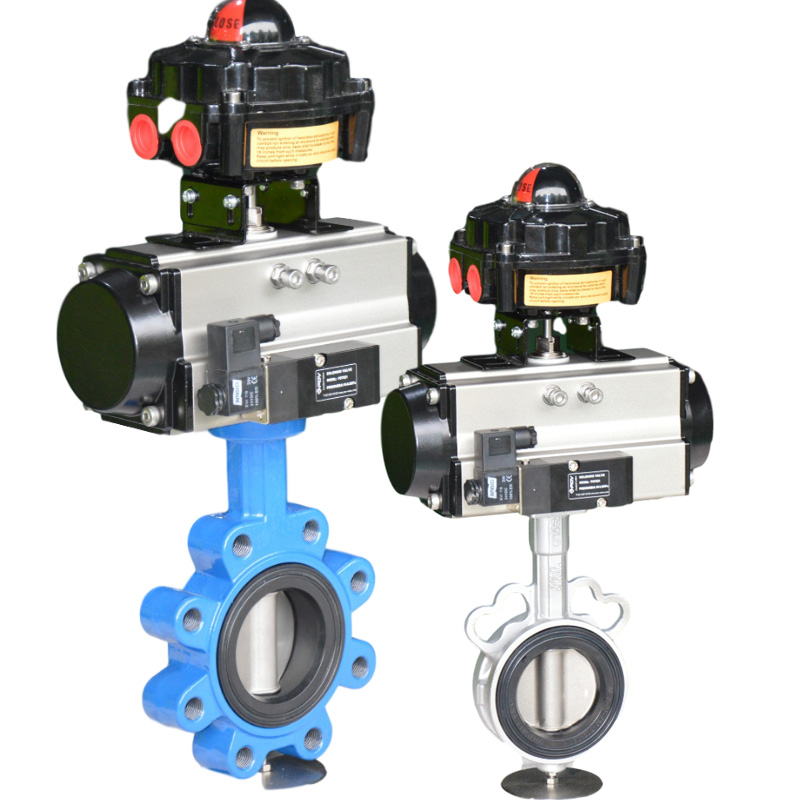
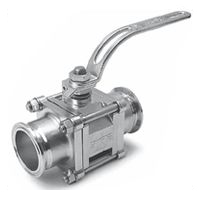
As butterfly valves are devices used to control the flow of fluids in pipes. They are composed of a disc that rotates around an axis, allowing the flow to open or close. This type of valve is widely used in various industries due to its efficiency and simplicity of operation.
Butterfly Valves Operation
The operation of butterfly valves is quite simple. When the disc is rotated through a 90 degree angle, it allows fluid to pass through the valve. When the disc is turned to the closed position, it blocks the flow. This fast and efficient operation makes butterfly valves ideal for applications that require precise flow control.
Types of Butterfly Valves
There are different types of butterfly valves, including flange, wafer and lug valves. Each type has specific characteristics that make them suitable for different applications. For example, flange valves are often used in larger piping systems, while wafer valves are more compact and ideal for tight spaces.
Common applications
Butterfly valves are used in a variety of applications, such as controlling water in irrigation systems, in chemical processes and in the oil and gas industry. Their ability to operate at high pressures and temperatures makes them versatile and reliable in challenging environments.
Main characteristics of pneumatic actuators
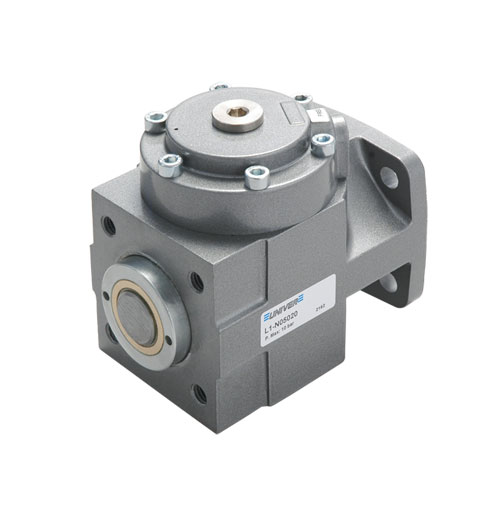
Os pneumatic actuators are devices that convert the energy of compressed air into mechanical movement. They are widely used in industrial automation systems due to their efficiency and reliability. Below, we highlight the key features that make pneumatic actuators a popular choice.
1. Response Speed
One of the most notable features of pneumatic actuators is their fast response speed. They can start and stop quickly, which is essential in applications that require precision and agility.
2. Force and Torque
Pneumatic actuators are capable of generating significant force compared to their size. This makes them ideal for applications that require high drive force, such as in presses and packaging systems.
3. Simplicity and Maintenance
The simple construction of pneumatic actuators makes maintenance easy. With fewer moving parts, they tend to fail less and require fewer interventions, resulting in less downtime.
4. Versatility
Pneumatic actuators can be used in a wide range of applications, from controlling valves to driving mechanical devices. Their versatility makes them suitable for a variety of industries, including automotive, pharmaceutical and food.
Advantages of combining butterfly valves and pneumatic actuators
The combination of butterfly valves e pneumatic actuators offers several advantages in flow control systems. This synergy results in more efficient and safer operations, being widely used in various industries.
1. Precise Flow Control
Using pneumatic actuators, butterfly valves can be opened or closed quickly, allowing precise control of fluid flow. This is crucial in applications where precision is critical, such as chemical and manufacturing processes.
2. Reduced Response Time
The combination of these technologies provides a rapid response to changing system conditions. This means adjustments can be made instantly, improving operational efficiency and reducing downtime.
3. Lower Energy Consumption
Pneumatic actuators are known for their low power consumption compared to other types of actuators. Quando usados em conjunto com válvulas borboleta, eles ajudam a otimizar o uso de energia em sistemas industriais, resultando em economia de custos.
4. Ease of Maintenance
Maintenance of systems using butterfly valves and pneumatic actuators is simplified due to their robust construction and fewer moving parts. This not only reduces maintenance costs but also increases system reliability.
Practical applications in industries
As butterfly valves e pneumatic actuators They are widely used in various industries due to their efficiency and versatility. Below, we present some of the main practical applications of these technologies in different sectors.
1. Chemical Industry
In the chemical industry, butterfly valves are often used to control the flow of chemicals in mixing and reaction processes. The combination with pneumatic actuators allows precise and fast control, essential to guarantee the safety and efficiency of operations.
2. Food Industry
Butterfly valves are ideal for applications in the food industry, where hygiene and ease of cleaning are crucial. Pneumatic actuators ensure that the flow of ingredients and final products is controlled efficiently, minimizing waste and improving productivity.
3. Oil and Gas Industry
In the oil and gas sector, butterfly valves are used in flow control systems in refineries and drilling rigs. The robustness and reliability of pneumatic actuators are essential for operating in extreme conditions, ensuring the safety and efficiency of operations.
4. HVAC Systems
In heating, ventilation and air conditioning (HVAC) systems, butterfly valves are used to regulate the flow of air and refrigerants. Pneumatic actuators allow quick and precise adjustments, contributing to energy efficiency and environmental comfort.
Conclusion on Butterfly Valves and Pneumatic Actuators
The combination of butterfly valves e pneumatic actuators offers efficient and reliable solutions for various industries. With precise flow control and quick response, these technologies are essential for optimizing processes and ensuring operational safety.
Practical applications in sectors such as chemistry, food, oil and gas, and HVAC demonstrate the versatility and importance of these tools in industrial automation.
Investing in butterfly valves and pneumatic actuators can bring significant benefits, improving efficiency and reducing operating costs. Therefore, it is essential to consider these solutions to improve the performance of industrial systems.
FAQ – Frequently asked questions about butterfly valves and pneumatic actuators
What are butterfly valves and how do they work?
Butterfly valves are devices that control the flow of fluids in pipes, using a disc that rotates to open or close the flow.
What are the advantages of using pneumatic actuators?
Pneumatic actuators offer fast response, high force, simple maintenance and versatility in various industrial applications.
In which industries are butterfly valves most used?
Butterfly valves are widely used in the chemical, food, oil and gas industries, and in HVAC systems.
How does the combination of butterfly valves and pneumatic actuators improve efficiency?
This combination allows for precise flow control, reduces response time and optimizes energy consumption, resulting in more efficient operations.
What precautions should I take when installing butterfly valves and pneumatic actuators?
It is important to ensure that the installation follows the manufacturer's specifications and that there is regular maintenance to prevent failures and ensure safety.
Are butterfly valves suitable for all types of fluids?
Butterfly valves are suitable for many types of fluids, but it is essential to check the compatibility of the valve material with the specific fluid.