Kilopascal (KPA) is a widely used pressure measure of pressure measure in various areas, including engineering, meteorology and environmental sciences. In this article, we will explore what KPA is, how it relates to other pressure units and its practical applications.
What is Kilopascal? - Definition and origin of kilopascal as a unit of pressure measurement.
O kilopascal (kpa) It is a unit of pressure measure that is part of the International Unit System (SI). A kilopascal equals 1.000 Pascalswhere Pascal is defined as the pressure exerted by a Newton force on a square meter area. The name 'Pascal' is a tribute to the French mathematician and physicist Blaise Pascal, which made significant contributions to pressure and fluid science.
Kilopascal is widely used in various applications, such as atmospheric pressure measurements, tire pressure and hydraulic systems. Its adoption is due to its practicality, as values in kilopascals are easier to work compared to Pascals, which can result in very large numbers.
The conversion of Kilopascals (KPA) For other pressure units is an important skill in various areas, such as engineering and meteorology. To convert KPA to bar, just divide the value into kilopascals by 100. For example, 100 KPA is equal to 1 bar.
To convert kpa to psi (pounds per square inch), the formula is to multiply the value in kilopascals by 0,1450377377. Like this, 100 KPA becomes approximately 14,5038 psi. These conversions are useful for professionals who work with different measurement systems and need to ensure accuracy in their applications.
O kilopascal (kpa) It is used in a variety of industries and contexts. In automotive industryFor example, tire pressure is often measured in kPa, ensuring that vehicles operate safely and efficiently. In meteorology, atmospheric pressure is reported in KPA, helping in time forecasting and climate analysis.
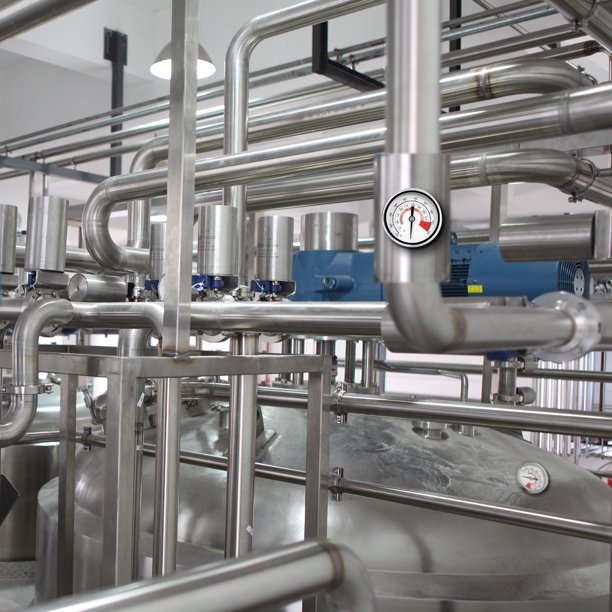
Also, in Hydraulic systemsKPA is used to measure pressure on pipes and equipment, ensuring that the systems work within the safe parameters. In laboratories, KPA is used in experiments that require precise pressure measurements, such as gas and fluid studies.
The importance of kilopascal (kpa) In pressure measurement cannot be underestimated. In industrial environments, precise pressure measurements are crucial to process safety and efficiency. KPA allows engineers and technicians to monitor and adjust systems, avoiding failures and ensuring the ideal operation of machinery and equipment.
In addition, the use of KPA in industrial standards and regulations helps standardize measurements, facilitating communication between professionals from different areas. The accuracy in KPA pressure measurements is also vital in quality control applications, where small variations can significantly impact the end result of products and services.
KPA conversion to other units - such as converting kilopascals to other pressure units such as bar and psi.
The conversion of Kilopascals (KPA) For other pressure units is an essential skill in various areas, such as engineering, meteorology and applied sciences. To facilitate this conversion, it is important to know the relationships between the different pressure units.
To convert Kilopascals to bar, the formula is simple: divide the value into kPa by 100. For example, if you have 200 KPA, conversion to bar would be 200 KPA ÷ 100 = 2 bar. This relationship is useful in industrial applications, where pressure is often measured in bar.
KPA conversion to psi
Another common conversion is kpa to psi (pounds per square inch). For this, multiply the value in kPa per 0,1450377377. For example, 100 KPA converts to approximately 14,5038 psi (100 kPa × 0.1450377377). This conversion is often used in sectors such as automotive, where tire pressure is measured in psi.
In addition, it is important to remember that accuracy in conversions is critical, especially in applications that require exact measurements. Using conversion tables or online calculators can help ensure that the values are correct. Understanding these conversions allows professionals to work more efficiently and safely in their respective areas.
KILOPASCAL APPLICATIONS - Examples of how KPA is used in different industries and contexts.
O kilopascal (kpa) It is a unit of pressure measure that finds applications in various industries and contexts.
Na automotive industry, for example, tire pressure is often measured in kPa. Maintaining correct tire pressure is crucial for vehicle safety and efficiency as inadequate pressure tires can affect adhesion and fuel consumption.
Na meteorologyKPA is used to measure atmospheric pressure. This measurement is fundamental for time forecasting, as variations in atmospheric pressure may indicate climate change. Meteorologists use instruments that measure KPA pressure to analyze climatic patterns and predict phenomena such as storms and cold fronts.
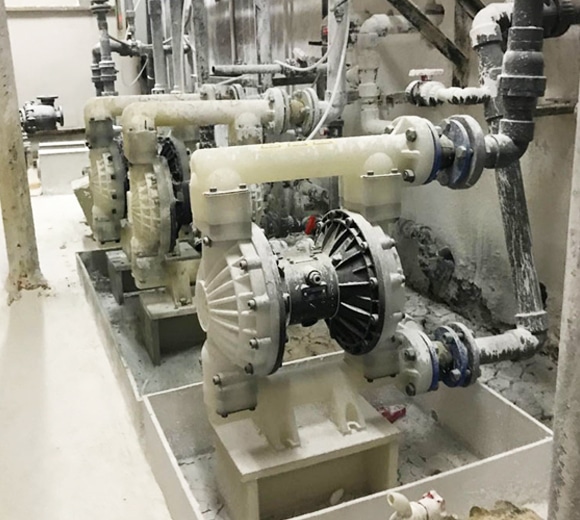
Em Hydraulic systemsKPA is used to monitor pressure on pipes and equipment. Proper pressure is essential for the efficient operation of machines and systems, avoiding failures and ensuring operational safety. For example, in factories, pressure on fluid transport systems is often controlled in kPa to ensure that processes occur without interruption.
Also, in Research laboratoriesKPA is used in experiments that require precise pressure measurements, such as gases and fluid studies. Measurement accuracy is vital to ensure reliable and valid results in scientific experiments.
Importance of KPA in pressure measurement - Discussion on the relevance of kilopascal in precise measurements and its influence on industrial processes.
A Importance of Kilopascal (KPA) In pressure measurement is fundamental in various industrial applications. KPA is a unit that allows accurate measurements, essential to ensure process safety and efficiency. In industrial environments, pressure should be constantly monitored to prevent equipment failures and ensure product quality.
For example, in Quality Control Systems, KPA pressure is used to verify that the products are within the specifications. If the pressure is out of the established parameters, this may indicate problems in production, such as leaks or machine failures. Early detection of such problems can avoid waste and rework, saving time and resources.
Also, in chemical processes, the pressure is a critical factor that can affect reactions. Precise KPA measurements help engineers adjust operating conditions, ensuring that reactions occur efficiently and safely. This is especially important in industries such as petrochemical, where small pressure variations can have major impacts on final results.
The use of KPA is also relevant in Safety Applications. In gas systems, for example, the pressure should be monitored to avoid explosions or leaks. Instruments that measure KPA pressure are designed to provide quick and accurate readings, allowing operators to make informed and rapid decisions in critical situations.