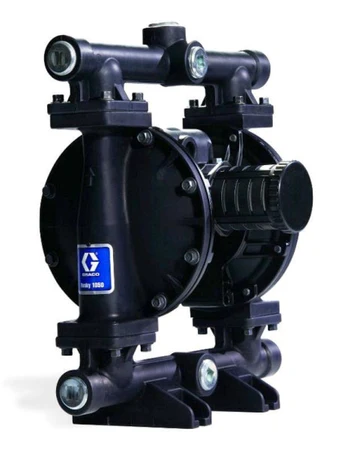
Preventative maintenance of pneumatic pumps is crucial to ensure efficiency and safety. It includes regular inspections, checking components and identifying common problems such as leaks and noise. Following an appropriate checklist helps extend the useful life of the equipment and avoid high repair costs.
O preventive maintenance checklist for pneumatic pumps It is a vital tool for optimizing the performance and durability of these equipment. In this article, we will explore the importance of this practice, the essential components of the checklist, a step-by-step guide to maintenance, and how to identify common problems to avoid unwanted downtime. Take part in this movement towards a more efficient operation!
Importance of Preventive Maintenance
A preventive maintenance It is crucial to ensure the efficient operation of pneumatic pumps. It helps identify and correct problems before they become serious failures, avoiding unexpected downtime and high repair costs. Additionally, regular maintenance extends the life of equipment by ensuring it operates in optimal conditions.
Cost reduction
Performing preventive maintenance can result in significant cost reduction. By preventing small problems from turning into larger failures, companies can save on repairs and replacements. This also minimizes downtime, which is vital for productivity.
Increased Security
Another important aspect of preventive maintenance is the increase in security. Poorly maintained equipment can pose risks to operators and the installation. Regular maintenance ensures that all parts are working properly, reducing the risk of accidents.
Operational efficiency
With preventive maintenance, pneumatic pumps operate more efficiently. efficient. This means they consume less energy and perform better, resulting in more agile and productive processes. Operational efficiency is a key factor for market competitiveness.
Maintenance Checklist Components
Os maintenance checklist components for pneumatic pumps are essential to ensure that all aspects of the equipment are checked regularly. A well-designed checklist helps maintain the efficiency and safety of operations.
Valve Check
Valves are critical components that control the flow of air and fluids. It is important to check that they are working correctly, without leaks and with adequate pressure. Regular valve maintenance can prevent system failures.
Inspection of Hoses and Connections
Hoses and connections should be inspected for wear, cracks or leaks. Replacing damaged hoses is essential to avoid pressure problems and ensure the safety of the pneumatic system.
Cleaning the Filters
Filters play an important role in protecting pneumatic pumps. It is necessary to clean or replace them regularly to avoid contaminating the compressed air, which could compromise the equipment's performance.
Pressure Test
Performing pressure testing is a vital part of the checklist. This ensures that the system is operating within recommended specifications. Regular testing helps identify problems before they become critical.
Maintenance Step by Step
O maintenance step by step of pneumatic pumps is essential to ensure that the equipment operates efficiently and safely. Following a structured procedure helps prevent failures and extends the life of the system.
1. Equipment Preparation
Before starting maintenance, it is essential to prepare the equipment. Disconnect the bomba from the power source and release system pressure. This ensures the technician's safety during the maintenance process.
2. Visual Inspection
Perform a complete visual inspection of all parts of the pump. Check for signs of wear, leaks or damage. This step is crucial for identifying problems that may not be evident during normal operation.
3. Component Cleaning
Clean all components, including filters, valves and hoses. Dirt and contamination can affect pump performance. Use suitable cleaning products and follow the manufacturer's recommendations.
4. Functional Tests
After carrying out maintenance, it is important to carry out functional tests. Plug the pump back in and check that all systems operate correctly. Monitor pressure and flow to ensure everything is within specifications.
How to Identify Common Problems
Identify common problems in pneumatic pumps is essential to ensure the continuous and efficient operation of the equipment. Recognizing the signs of failure can avoid unexpected downtime and high repair costs.
1. Air Leaks
One of the most frequent problems is air leaks. If you notice a drop in system pressure, it could indicate that you have a leak. Inspect the hoses and connections to identify the source of the problem.
2. Abnormal Noises
Strange noises, such as popping or buzzing, can be signs that something is not working properly. These sounds may indicate wear on internal components or problems with the valves. It is important to investigate immediately to prevent further damage.
3. Drop in Performance
If the pump is not operating as efficiently as before, this could be a sign of problems. A drop in performance can be caused by clogged filters, faulty valves or lack of lubrication. Performing regular maintenance can help identify and fix these problems.
4. Overheating
A pump overheating is a sure sign that something is wrong. This can be caused by lack of air, obstructions, or mechanical problems. Monitoring the pump temperature and acting quickly when noticing any anomalies is crucial to avoid permanent damage.
Importance of Preventive Maintenance for Pneumatic Pumps
Preventive maintenance is essential to ensure the efficient functioning of pneumatic pumps. By following a checklist and performing regular inspections, you can avoid common problems and extend the life of your equipment.
Identifying signs of failure, such as leaks and abnormal noises, is crucial to maintaining safe and efficient operation. With proper maintenance practices, your company can save costs and increase productivity.
Therefore, do not underestimate the importance of preventative maintenance. It is the key to ensuring that your pneumatic pumps operate optimally and safely.
FAQ – Frequently asked questions about preventive maintenance of pneumatic pumps
Why is preventative maintenance important for pneumatic pumps?
Preventative maintenance is important because it helps identify and correct problems before they become serious failures, avoiding unexpected downtime and high costs.
What are the signs that a pneumatic pump needs maintenance?
Signs include air leaks, abnormal noises, decreased performance and pump overheating.
How often should I perform preventative maintenance?
The frequency of preventive maintenance depends on usage, but it is recommended that you perform regular inspections at least every three months.
What should a preventative maintenance checklist include?
A checklist should include checking valves, inspecting hoses, cleaning filters and pressure testing.
How can I identify leaks in a pneumatic pump?
Leaks can be identified by a drop in system pressure or by visual inspection of hoses and fittings.
What tools are needed to maintain pneumatic pumps?
Common tools include screwdrivers, wrenches, pressure gauges, and cleaners specifically for pneumatic equipment.