Jet lubrication is an essential technique in industrial maintenance, used to apply lubricants precisely and efficiently. This method not only improves the performance of machines, but also extends their useful life, reducing repair costs and unexpected downtime. In this article, we will explore the main benefits and applications of jet lubrication in industrial environments.
What is the Lubrication Jet?
O lubrication jet is a technique used to apply lubricants to machines and equipment in a precise and controlled manner.
This technique is essential to ensure that the moving parts of equipment work efficiently and without excessive friction.
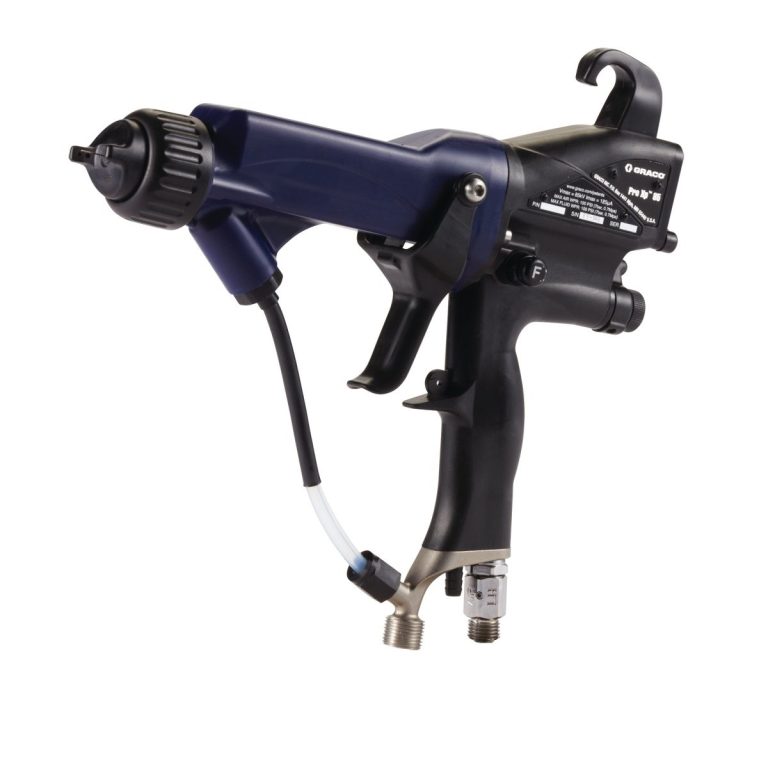
The lubrication jet can be carried out using pneumatic or electrical devices, which allow the lubricant to be applied to specific points, avoiding waste and ensuring uniform coverage.
Jet lubrication systems are designed to operate in different conditions and can be adjusted to meet the specific needs of each application.
They are especially useful in industrial environments, where regular maintenance is crucial to prevent failures and extend the life of equipment.
Furthermore, the lubrication jet can be integrated into automation systems, allowing the lubricant to be applied automatically and programmed, increasing the efficiency of the maintenance process.
Benefits of Jet Lubrication in Industry
O lubrication jet offers several benefits to the industry, contributing significantly to operational efficiency and equipment maintenance.
One of the main benefits is the frictional reduction between moving parts, which reduces wear and tear and extends the useful life of the machines. With precise application of the lubricant, it is possible to avoid mechanical failures that could result in unscheduled stops.
Another important benefit is the lubricant savings. The lubrication jet allows controlled application, avoiding waste and ensuring that the exact amount of lubricant is used. This not only reduces operating costs, but also minimizes environmental impact as fewer chemicals are discarded.
Furthermore, the lubrication jet can be integrated into automation, allowing lubrication to occur continuously and scheduled. This results in more efficient maintenance and better machine performance, increasing production line productivity.
Finally, the use of the lubrication jet contributes to the safety in the work environment. With fewer mechanical failures and smoother operation of equipment, the risk of accidents is reduced, creating a safer environment for operators.
Practical Applications of Jet Lubrication
O lubrication jet It is widely used in various industries, offering practical solutions for equipment maintenance. One of the most common applications is in production machines, where adequate lubrication is essential for the smooth operation of moving parts. This includes equipment such as presses, conveyors and gear systems, which benefit from precise application of lubricants.
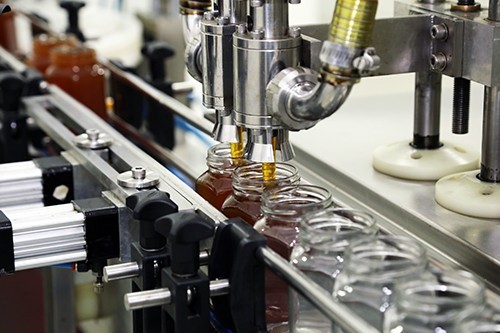
Another important application is in assembly lines, where the lubrication jet can be integrated into automated systems. This ensures that parts are lubricated at exactly the right time, increasing efficiency and reducing downtime. Continuous lubrication helps maintain the quality of the final product, preventing failures that can occur due to excessive friction.
Furthermore, jet lubrication is used in transport equipment, such as trucks and forklifts. Regular application of lubricants to these vehicles is crucial to ensure safety and durability, especially in operations that require high load and constant movement.
Finally, the lubrication jet is also applied to food and beverage industries, where hygiene is fundamental. Lubrication systems that use controlled jets help prevent contamination, ensuring that the lubricants used are safe and suitable for contact with food.
How to Choose the Ideal Jet Lubrication Equipment
Choose the ideal equipment for jet lubrication It is essential to ensure the efficiency and effectiveness of the lubrication process. Firstly, it is important to consider the type of lubricant that will be used. There are liquid lubricants, greases and even special products for specific environments. Each type of lubricant may require different equipment, so it is essential to check compatibility.
Another factor to consider is the operating pressure. Jet lubrication equipment varies in its pressure capabilities, and the choice should be based on the needs of the application. For applications that require wider coverage or deeper penetration, higher pressure equipment may be required.
A ease of maintenance of equipment must also be taken into account. Equipment that is easy to clean and maintain tends to have a longer lifespan and operate more efficiently. Check whether the manufacturer offers technical support and replacement parts, as this can be crucial for long-term maintenance.
In addition, the automation is an important aspect to consider. Equipment that can be integrated into automated systems offers greater precision and consistency in lubricant application. This is especially useful in industrial environments where continuity and efficiency are essential.
Finally, it is recommended to consult experts or equipment suppliers who can offer personalized guidance based on the specific needs of your operation. A good supplier can help you identify the equipment that best suits your requirements, ensuring you make the right choice.