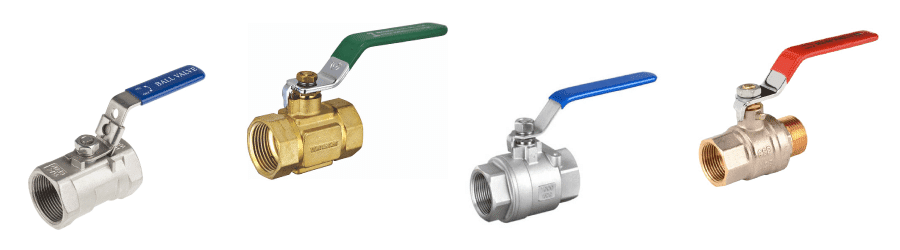
The ball valve offers effective sealing, fast operation and durability, and is widely used in industries such as chemical, food and petroleum. Its robust design and high quality materials guarantee safety and efficiency in fluid control systems.
A ball valve provides sealing excellent, being a popular choice in hydraulic and industrial systems. With a design that provides hermetic closures, these devices are essential for ensuring the efficient flow of liquids and gases, preventing unwanted leaks. In this article, we will explore what a ball valve is, how it provides sealing and the various advantages and applications of this equipment.
What is a ball valve?
A ball valve is a mechanical device used to control the flow of liquids and gases in pipes. Its operation is based on a hollow sphere that rotates around an axis, allowing or blocking the passage of fluid. This type of valve is widely used in various industries due to its efficiency and durability.
Ball Valve Structure
The structure of the ball valve is composed of a body, a ball, a shaft and, in many cases, an actuator. The body is made of resistant materials, such as stainless steel or bronze, ensuring the durability of the equipment. The sphere, which is the central part of the mechanism, has a hole that, when aligned with the pipe, allows the fluid to pass through.
Ball Valve Operation
The operation of the ball valve is simple and effective. By rotating the sphere 90 degrees, the hole aligns with the inlet and outlet of the pipe, allowing flow. When the sphere is rotated to the closed position, the hole becomes perpendicular to the flow, blocking the passage. This quick and easy operation is one of the reasons why ball valves are so popular.
Types of Ball Valves
There are different types of ball valves, including 2-way and 3-way valves. 2-way valves are the most common and are used to control flow in a single direction. 3-way valves allow you to redirect the flow between two outlets, offering greater flexibility in piping systems.
How the ball valve provides effective sealing
A ball valve is recognized for its ability to provide effective sealing, making it a popular choice in hydraulic and industrial systems. This seal is achieved through a clever design that utilizes a hollow sphere that fits snugly into the valve body.
Sealing Mechanism
The ball valve sealing mechanism is based on fluid pressure against the ball. When the valve is closed, fluid pressure pushes the ball against the valve seat, creating an airtight seal that prevents leaks. This design ensures that the valve remains sealed even under high pressures.
Materials Used
The materials used in manufacturing the ball valve also play a crucial role in sealing effectiveness. Valves made from stainless steel or bronze are common as they offer corrosion resistance and durability. Additionally, rubber or PTFE (polytetrafluoroethylene) seals are often used to further improve sealing.
Advantages of Effective Sealing
An effective seal is essential to the safety and efficiency of systems that transport fluids. With the ball valve, operators can trust that there will be no leaks, which reduces the risk of accidents and material loss. Furthermore, effective sealing contributes to energy efficiency by minimizing pressure loss in the system.
Advantages of using ball valves
As ball valves offer several advantages that make them a preferred choice in fluid control systems. One of the main advantages is its sealing capacity, which ensures that there are no leaks, even under high pressure.
Fast and Efficient Operation
Another significant advantage of ball valves is their fast operation. With a turn of just 90 degrees, the valve can be opened or closed, allowing efficient flow control. This is especially useful in applications where fast response is crucial.
Durability and Maintenance
Ball valves are known for their durability. Made from resistant materials, such as stainless steel and bronze, they withstand adverse conditions and have a long useful life. Additionally, maintenance is generally simple, which reduces operating costs over time.
Application Versatility
These valves are versatile and can be used in a wide range of applications, from water and gas systems to complex industrial processes. Their ability to handle different types of fluids, including corrosive liquids, makes them ideal for a variety of industries.
Ball valve applications in different industries
A ball valve It is widely used in various industries due to its efficiency and reliability. Its versatility allows it to be applied in different contexts, from simple systems to complex industrial processes.
Chemical industry
In the chemical industry, ball valves are essential for the control of corrosive and reactive fluids. They guarantee effective sealing, preventing leaks that could cause accidents and contamination. Furthermore, its robust construction allows it to handle high pressures and temperatures.
Food industry
Ball valves are also used in the food industry, where hygiene and safety are paramount. They are designed to meet food safety standards, allowing precise control of the flow of liquids, such as water, juices and other food products.
Oil and Gas Industry
In the oil and gas sector, ball valves play a crucial role in transporting and controlling fluids in pipelines. They are designed to withstand extreme conditions and are fundamental to ensuring the safety and efficiency of operations.
Construction Industry
In construction, ball valves are often used in plumbing and heating systems. They offer a practical solution for controlling water and other fluids, contributing to the efficiency of hydraulic systems.
Conclusion on Ball Valves
As ball valves They are essential components in various industries, offering significant advantages such as effective sealing, fast operation and durability. Their versatility allows them to be used in applications ranging from fluid control in the chemical industry to plumbing systems in construction.
Understanding the characteristics and benefits of ball valves is essential to ensure efficiency and safety in hydraulic and industrial systems. By choosing the right valve for each application, companies can optimize their processes and reduce risks.
Therefore, when considering fluid control solutions, ball valves should be a priority as they offer reliability and performance across a wide range of applications.
FAQ – Frequently asked questions about ball valves
What are the main advantages of ball valves?
Ball valves offer effective sealing, fast operation, durability and versatility in a variety of applications.
In which industries are ball valves used?
Ball valves are used in industries such as chemical, food, oil and gas, and construction.
How does the ball valve sealing mechanism work?
The sealing mechanism works by fluid pressure pushing the ball against the valve seat, creating an airtight seal.
What materials are used in the manufacture of ball valves?
Ball valves are often made from stainless steel or bronze, with rubber or PTFE seals to improve sealing.
What maintenance is required for ball valves?
Maintenance of ball valves is generally simple, requiring regular inspections and replacement of seals when necessary.
Are ball valves suitable for high pressures?
Yes, ball valves are designed to withstand high pressures, making them ideal for demanding industrial applications.