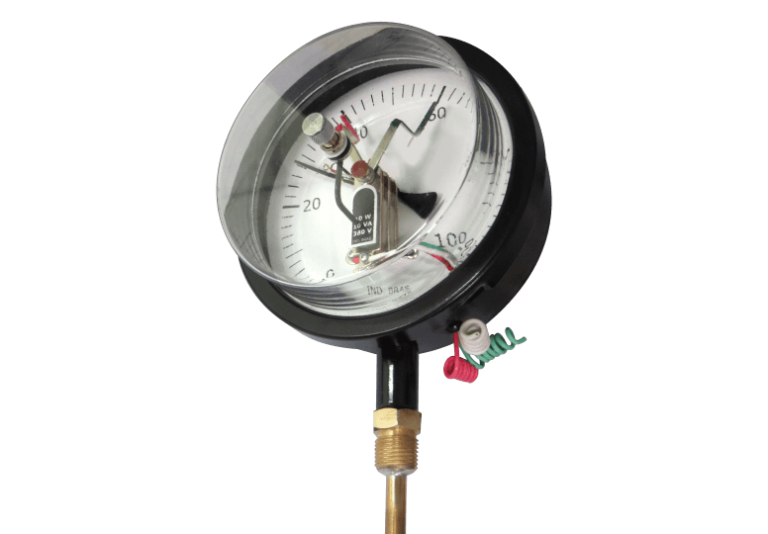
Pressure testing is an essential procedure in industry to verify the integrity and safety of piping and equipment. This process helps identify leaks and ensure systems operate within safety specifications. In this article, we will cover the main pressure testing methods, their importance and the best practices to be followed.
What is the Pressure Test?
O pressure test is a technical procedure used to verify the integrity and safety of pressurized systems, such as pipes, tanks and industrial equipment. This test is essential to ensure that the components withstand operational pressures without failing or leaking.
During the test, a fluid, usually water or air, is introduced into the system until it reaches a specific pressure, which is maintained for a certain period. The objective is to observe whether there are variations in pressure, which would indicate the presence of leaks or structural flaws.
There are different types of pressure tests, each suited to a specific application. THE hydrostatic test, for example, uses water as a test medium and is widely used in pipes and tanks. Already the pneumatic test uses air or gas and is most common in systems where water cannot be used.
In addition to being a legal requirement in many sectors, pressure testing is a recommended practice to ensure worker safety and the efficiency of industrial processes. Carrying out these tests regularly helps prevent accidents and extend the useful life of equipment.
Pressure Test Methods
Os pressure test methods are essential to ensure the safety and integrity of pressurized systems. There are two main methods: the hydrostatic test and the pneumatic test.
No hydrostatic test, water is used as the test medium. This method is widely used in pipes and tanks, as water is an incompressible fluid. During the test, the pressure is gradually increased until it reaches the specified level. Maintaining the pressure for a specified period allows checking for leaks or deformations in the system.
On the other hand, the pneumatic test uses air or gas as the test medium. This method is most common in systems where water cannot be used, such as equipment that cannot withstand corrosion or contamination. Pneumatic testing requires additional care as the compressibility of air can result in explosions if faulty. Therefore, it is crucial to follow safety standards and use appropriate equipment.
Both methods must be carried out by qualified professionals, who must follow the applicable technical and regulatory standards. The choice of method depends on the type of equipment, the fluid that will be used and the operating conditions.
Importance of the Pressure Test
A importance of pressure testing lies in its ability to guarantee the safety and efficiency of pressurized systems. This procedure is essential to prevent accidents that could result in material damage and, mainly, injuries to people.
Pressure tests help identify structural flaws before they become critical. By detecting leaks or weaknesses in piping and equipment, it is possible to carry out corrective maintenance before catastrophic failures occur. This not only protects workers, but also avoids unscheduled production downtime, which can be costly.
Furthermore, carrying out regular pressure testing is often a legal requirement in many industries. Standards and regulations establish that equipment must be tested periodically to ensure that it operates within safe limits. Failure to comply with these standards may result in penalties and compromise the company's reputation.
Another important point is that the pressure test contributes to operational efficiency. Systems that operate safely and reliably perform better, resulting in lower energy and resource consumption. This translates into savings and sustainability for companies.
Best Practices in Pressure Testing
As best practices in pressure testing are essential to guarantee the effectiveness and safety of the process. Firstly, it is essential that the test is carried out by qualified professionals, who are familiar with the applicable standards and regulations. This ensures that all procedures are followed correctly.
Before starting the test, it is important to carry out a visual inspection of the equipment. Check for signs of corrosion, damage or leaks. This inspection helps identify problems that could compromise the safety of the assay.
Another crucial point is the choice of test method adequate. Depending on the type of equipment and fluid used, hydrostatic or pneumatic testing may be more appropriate. The correct choice minimizes risks and guarantees reliable results.
During the test, the pressure must be increased gradually. This allows you to monitor system behavior and identify possible failures before pressure reaches critical levels. It is recommended to use calibrated measuring instruments to ensure the accuracy of the results.
After the trial is completed, it is essential to document all results and observations. This documentation serves as a record for future maintenance and audits. Furthermore, it is important to carry out a post-test analysis to evaluate the system's performance and plan possible interventions.