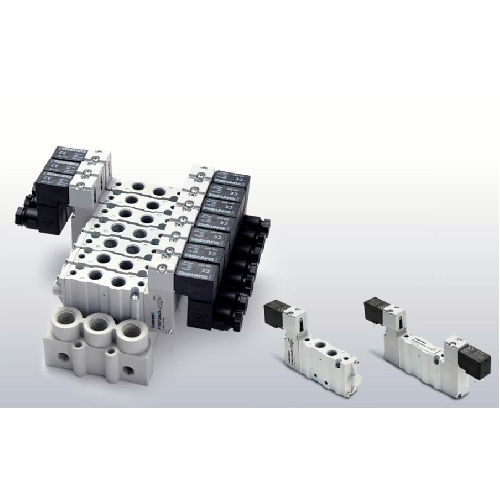
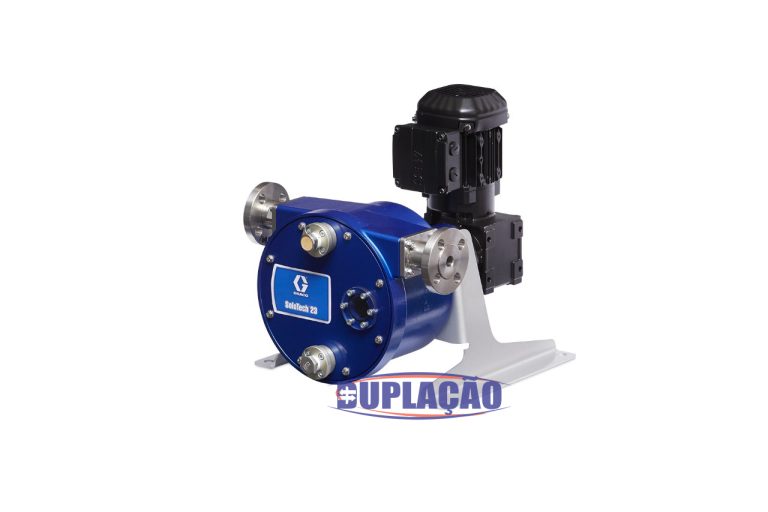
Air emission is a crucial aspect in several industrial processes, especially in pneumatic automation. Understanding how air emission works and its applications can lead to significant improvements in operational efficiency and safety.
1. What is Air Emission? Definition and basic concepts about air emission in pneumatic systems.
Air Emission refers to the process of releasing air in pneumatic systems. These systems use compressed air to perform mechanical work, such as moving actuators or valves. THE definition Air emission management involves understanding how air is generated, controlled and used in industrial applications.
Compressed air is produced by compressors and then stored in reservoirs. When necessary, air is released through valves, allowing stored energy to be converted into movement.
A importance of air emission is evident in its ability to deliver energy in an efficient and controlled manner. Pneumatic systems are widely used due to their reliability and ease of maintenance. Furthermore, air emission must be managed to avoid waste and ensure system efficiency.
In practical applications, air emission is used in several industries, such as factory automation, where it operates in the movement of robots and the operation of pneumatic tools. In fluid handling, air emission is crucial for the transport of materials in painting and coating processes.
To optimize air emission, it is essential to implement best practices. This includes regular equipment maintenance, using efficient control valves and monitoring air consumption. Reducing leaks and ensuring that the system is well sized are effective strategies for maximizing efficiency and minimizing operational costs.
2. Importance of Air Emission in Industry. How air emissions affect efficiency and safety in industrial processes.
Air emission is a critical factor in the industry, as it directly influences the efficiency and a security of the processes.
In pneumatic systems, the way air is emitted can determine the performance of the machines and the quality of the work performed.
When compressed air is released in a controlled manner, it provides energy to move actuators and valves, allowing operations to be carried out precisely.
If air emission is not adequate, pressure may be lost, resulting in lower than expected performance. This can lead to unscheduled downtime and increased operating costs.
In addition, the security is a fundamental aspect. Systems that do not control air emission correctly can create risks, such as explosions or leaks.
Excessive pressure can damage components and cause accidents. Therefore, it is essential that industries implement rigorous monitoring and control practices.
Energy efficiency is also impacted by air emissions. Systems that operate with leaks or that are not optimized consume more energy, increasing costs and impacting the sustainability of the operation.
Thus, adequate management of air emissions not only improves productivity, but also contributes to reducing the environmental impact of industrial activities.
3. Practical Applications of Air Emission. Examples of how air emission is used in different sectors, such as automation and fluid handling.
Air emission there are several Practical Applications in industrial sectors, being essential for automation and fluid handling.
In automation systems, air emission is used to activate pneumatic actuators, who are responsible for moving parts and equipment. These actuators convert the energy of compressed air into mechanical movement, allowing operations such as opening and closing valves, moving robotic arms and activating tools.
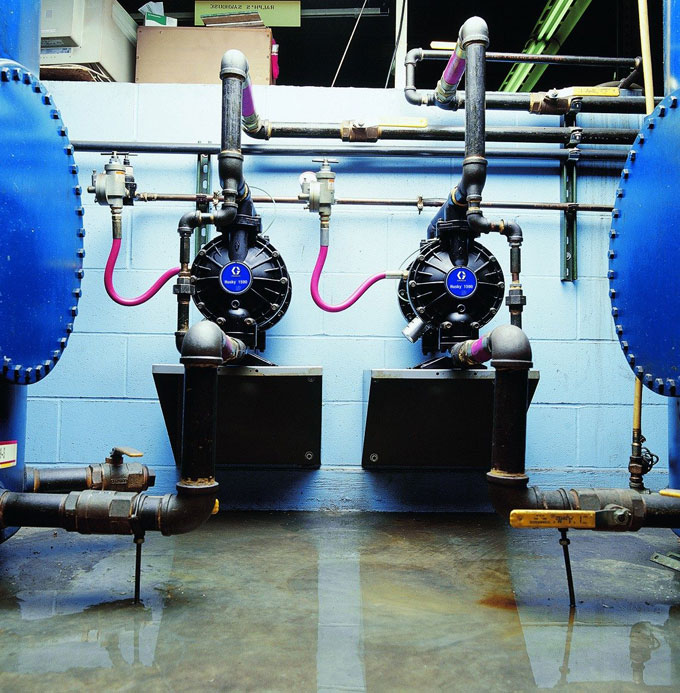
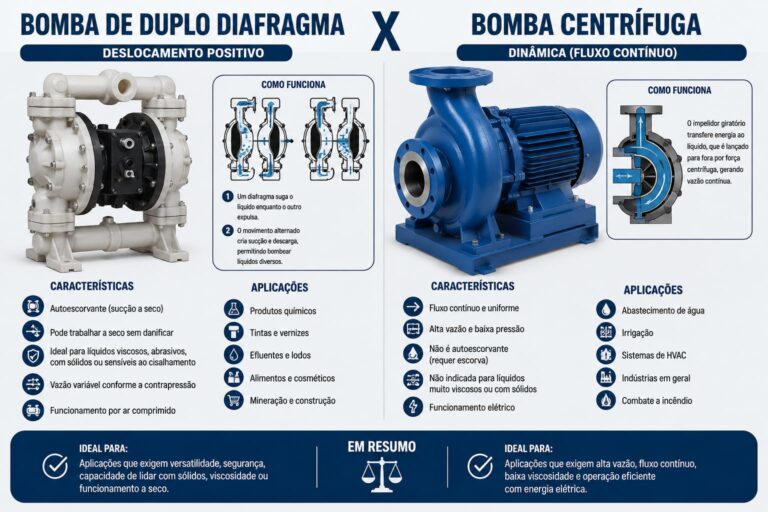
In the sector of fluid handling, air emission is crucial for the transport of materials. For example, in industrial painting processes, compressed air is used to atomize the paint, ensuring uniform and efficient application. Furthermore, pneumatic transport systems use air emissions to move grains, powders and other bulk materials through pipes, optimizing the logistics process.
Another example is in the food industry, where air emissions are used in packaging systems. Compressed air helps seal packages quickly and efficiently, ensuring product integrity.
In summary, air emission is a fundamental part of many industrial processes, contributing to the efficiency and effectiveness of operations. Understanding its practical applications allows companies to optimize their systems and improve productivity.
4. Best Practices for Air Emission Management. Tips and strategies to optimize air emission and reduce waste.
Manage air emission effectively is essential to optimize industrial processes and reduce waste. For this, some best practices can be implemented.
Firstly, it is essential to carry out regular maintenance of pneumatic systems. This includes checking connections, hoses and valves to prevent leaks. Compressed air leaks not only increase operating costs, but also compromise system efficiency.
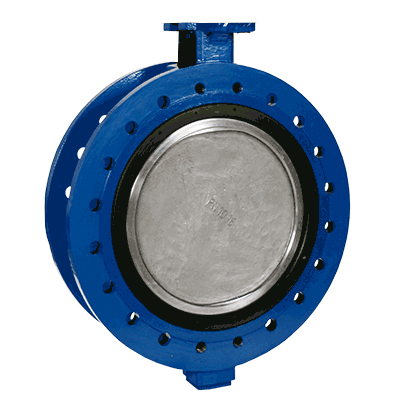
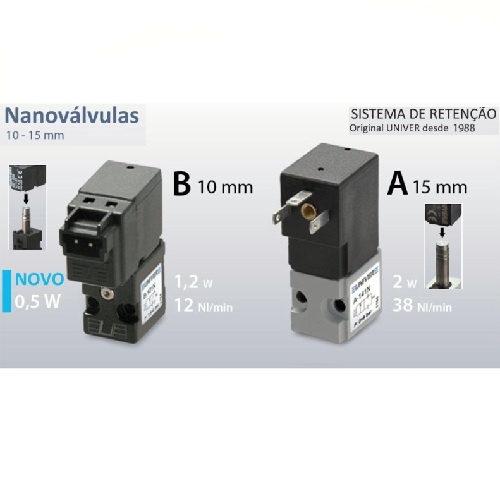
Another important practice is the use of control valves efficient. These valves help regulate air pressure and flow, ensuring that air is emitted in a controlled and precise manner. This not only improves equipment performance, but also contributes to operational safety.
Additionally, it is recommended to implement a monitoring system to monitor compressed air consumption. With real-time data, it is possible to identify usage patterns and detect anomalies that may indicate problems in the system.
Finally, the Team training is crucial. Well-trained employees can identify and correct problems quickly, and follow procedures that minimize waste. Awareness of the importance of air emission efficiency can lead to a culture of continuous improvement within the company.