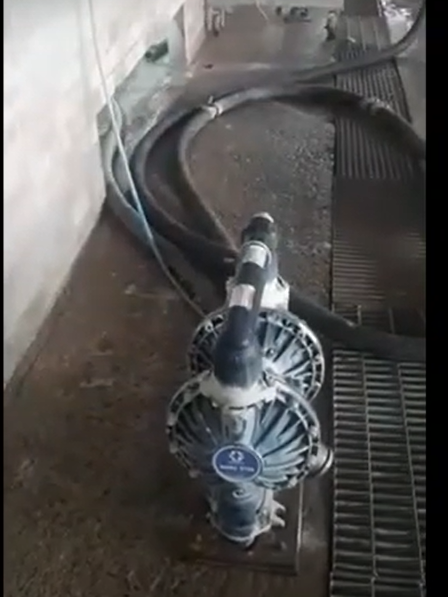
A pneumatic diaphragm pump It is a widely used versatile equipment in various sectors of the industry, offering efficient transfer of fluids from different viscosities and temperatures. Its functional design allows an intuitive operation, but some common problems may arise over time.
To assist in resolving these issues, we highlight the main problems faced with the diaphragm pneumatic pumps and their respective solutions. Following these guidelines, it is possible to ensure the maximum performance of the equipment, extending their useful life and ensuring continuous efficiency.
Air pressure and pipe sizing
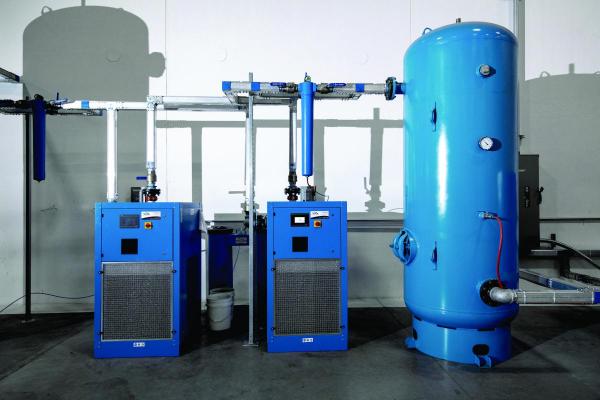
It is essential that the air inlet pressure is in accordance with the specifications of the bomba to ensure its efficient operation. Insufficient pressure can reduce flow and internal pressure, affecting industrial performance and productivity. Check the piping sizing according to the manufacturer's recommendations to avoid restrictions and optimize productivity.
Leaks
Leaks are often caused by pump joint defects and may represent a significant problem, especially when dealing with dangerous or flammable fluids. Make sure all joints are properly tight to prevent leaks and ensure operational safety. In more demanding operations, periodic replacement of components may be required to avoid unwanted leaks.
Bolt grip
Vibration and operational forces can lead to the loosening of the screws over time, compromising the sealing and favoring leaks. Preventive maintenance, including the periodic screw tightening, is essential to ensure the integrity of sealing surfaces and proper pump function.
Freezing
In wet or low temperatures, freezing the pump structure can impair its operation and reduce its service life. Reduce pump input pressure to avoid freezing during operation. Adjust the compressor configuration or use a pressure regulator to control the air pressure. If necessary, consider the use of a more capable pump to ensure continuous operation.
Retention valve problems
The retention valve plays a crucial role in fluid flow, avoiding its return to the equipment. Failures In this component can compromise pump performance and pose risks to safety and operational efficiency. Establish a preventive maintenance process and install filters to reduce the entry of debris and foreign objects, preventing retention valve failures.
Corrosion
When dealing with corrosive fluids, it is essential to consider the type of pump material to avoid damage and ensure effective pumping. See the chemical compatibility table to select proper material such as stainless steel, polymers or reinforced polyethylene for corrosive environments. This will ensure durability and pump performance over time.
Learn more: