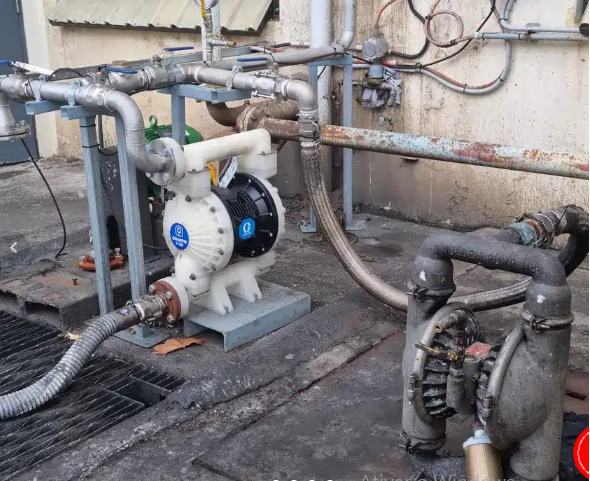
Pumping fluids within the industry is a critical operation to be carried out with the help of the best resources. The choice of bomba displacement is essential to provide more productivity and agility for the operation. For this reason, the pneumatic diaphragm pump has been one of the best choices today.
The biggest concern within the industrial environment is the time of inactivity and the losses that may result from the fluid leakage. This is because, besides the loss of product, there is a great concern with the dangerousness of the fluid that was lost.
Some industrial sectors deal with the pumping of fuels, hazardous chemical fluids, pharmaceutical products, among others. The leakage of these products may impair employee health and favor the incidence of accidents within the industrial environment.
Because of these reasons, it is necessary to choose the pneumatic diaphragm pump carefully considering the application and need of the industry. In this sense, there are some factors that should be considered in your choice process.
The importance of the pneumatic diaphragm pump
Thanks to its versatility, the pneumatic diaphragm pumps They can be used to transfer products in numerous industries, including pumping chemicals, beverages, food, wastewater, mining industry products, oil industry products, and more.
The decision process by a diaphragm pneumatic pump should consider some important factors, such as:
Pressure rate:
The pressure level to be applied to the pump used in your industry should be considered in your choice process. The standard diaphragm pneumatic pump has a proportion from one to one. This means that the pressure applied to the pump is the pressure on the discharge result.
There are specific models that can reach pressure of up to 125 psi, a factor that will depend on the composition of your pump and product characteristics.
Flow rate:
Flow is one of the most important factors in your process of choosing a positive displacement pump. It is important to consider the expected flow and the size of the pump to be implemented in its operation.
Equipment flow can be adjusted through a filter regulator to be installed at the air inlet of your pump, allowing you to reduce or increase the pressure to regulate the flow rate.
Type of fluid to be pumped:
The product to be pumped also makes all the difference in your choice process. Some products have different properties that may impact the performance and life of their equipment.
An example of this is the pumping of abrasive or corrosive fluids that can wear out the components of your diaphragm pneumatic pump and reduce their longevity. More viscous fluids can also damage your equipment as it requires much more power from your pump.
The presence of suspension particles or waste can also cause blockages to obstruct equipment valves, causing accidents, leakage or impairing diaphragm pneumatic pump productivity. For this reason the choice of your pump is directly related to a type of fluid that will be pumped.
Viscosity:
Just as the type of fluid makes all the difference, the viscosity of the product should also be considered. This is because there is greater resistance to more viscous products, making the pump more energy to operate.
Although the pneumatic diaphragm pump can deal with various types of viscosity, the type of material in its composition can also make a difference. In addition, flow and pressure should be adjusted to meet demand according to product viscosity.
Viscous fluids may also require a higher diameter at the input and output of the pump to ensure the productivity and safety of the operation.
Temperature:
The pneumatic diaphragm pump can handle product pumping in a wide range of temperatures. However, this factor should be considered so that you can achieve all the expected performance and result with the operation of the equipment.
The temperature of the product can affect the valves, diaphragms and components of your pump, causing it to fail prematurely. High temperature fluids can also harm your pump motor, impacting your results in the medium and long term.
The temperature of the product to be pumped must be considered so that you can choose a pump that is designed according to your needs. With several options on the market, it is possible to find a pneumatic diaphragm pump that can meet the fluid temperature of your operation.
With this, we can understand that it is essential to know what is being pumped, the demand for compressed air and the maximum flow of your pump. The more details you get, the better your choice process and the more assertive and efficient your operation.
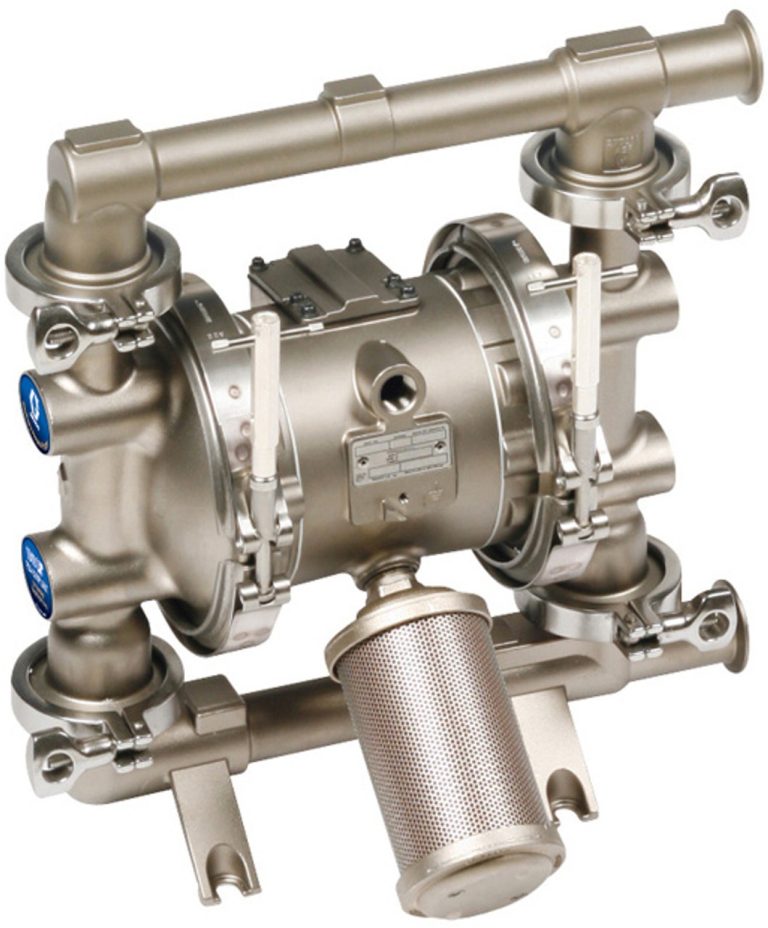
Are you looking for an efficient and complete pump for your operation? KNOW THE Husky 1590.