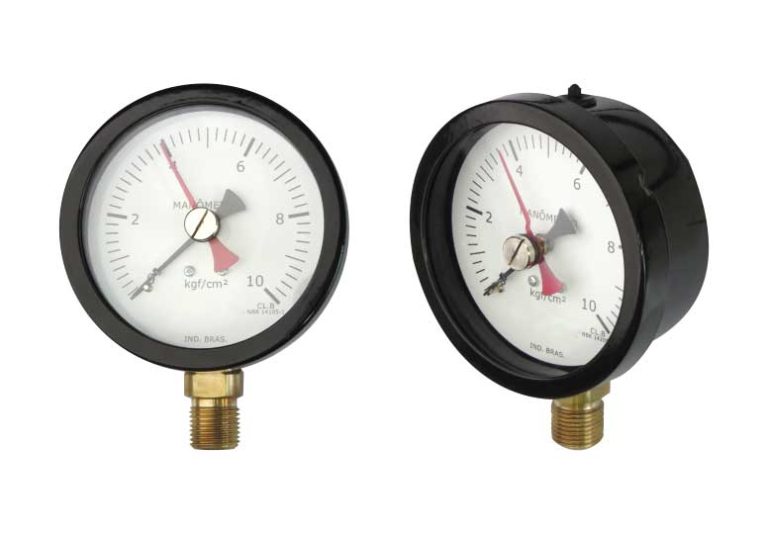
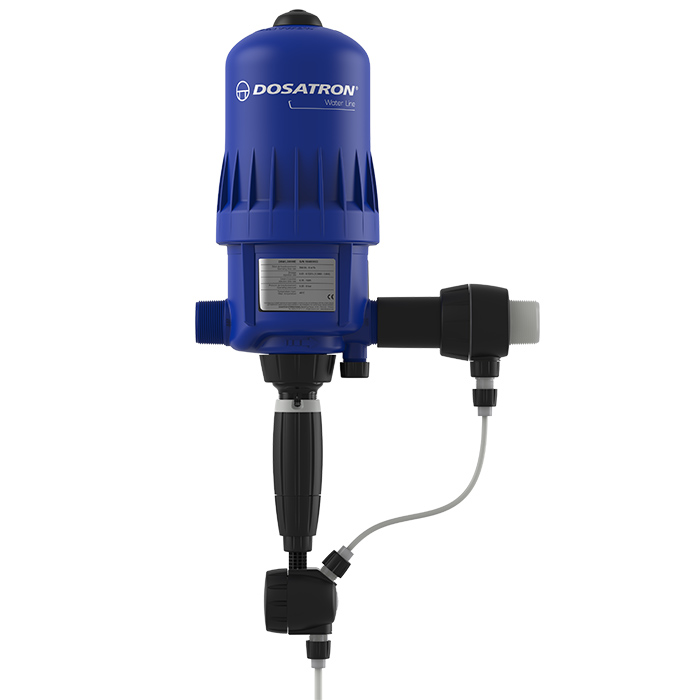
The safety Z-valve is an essential component in pneumatic systems, designed to protect equipment and operators against overpressure. In this article, we will address its characteristics, applications and the importance of its use in industrial processes.
What is the Safety Z-valve?
A Safety Z-valve is a device designed to protect pneumatic systems against overpressure. It acts as a relief valve, allowing air or fluid to be released when pressure reaches critical levels. This is essential to prevent damage to equipment and ensure operator safety.
The operation of the Z-valve is simple but effective. When the system's internal pressure exceeds the preset limit, the valve opens automatically, allowing excess pressure to be released. Once the pressure returns to safe levels, the valve closes again, restoring normal system operation.
These valves are often used in industrial applications where safety is a priority. They are essential in systems that deal with compressed air, gases and fluids, ensuring that explosions or catastrophic failures do not occur.
Additionally, the safety Z-valve is designed to be highly reliable and durable, withstanding harsh conditions and ensuring consistent performance over time. Choosing a quality safety valve is crucial for the integrity of the pneumatic system and the safety of workers.
Safety Z-valve Applications
A Safety Z-valve It is widely used in various industrial applications, where safety and efficiency are essential.
One of the main areas of application is in air compression, where the valve protects against pressure peaks that can damage compressors and pipes.
Furthermore, the Z-valve is crucial in industrial painting processes, where controlled pressure is vital to the quality of the finish. The valve ensures that pressure does not exceed safe limits, preventing equipment failure and ensuring a continuous workflow.
Another sector that benefits from the safety Z-valve is the food and beverage manufacturing. In these environments, safety is a priority, and the valve helps maintain the integrity of fluid transport systems, preventing contamination and ensuring the quality of the final product.
Em chemical plants, the Z-valve is used to protect reactors and storage tanks. The valve acts as a line of defense against overpressures that could result in explosions or dangerous leaks. Their presence is essential to ensure worker safety and compliance with safety standards.
Finally, the safety Z-valve is also applied in safety systems industrial automation, where precision and safety are essential. The valve ensures that systems operate within safe parameters, preventing failures that could result in production stoppages and financial losses.
Advantages of the Safety Z-valve
A Safety Z-valve offers several advantages that make it an essential component in pneumatic systems. One of the main advantages is the overpressure protection. By releasing excessive pressure, the valve prevents damage to equipment and systems, extending their useful life.
Another significant advantage is the operational security. The Z-valve ensures operators work in a safe environment, reducing the risk of accidents and injuries. This is especially important in industries where high pressure can cause explosions or catastrophic failures.
Furthermore, the safety Z-valve contributes to system efficiency. By maintaining pressure within safe limits, the valve helps optimize equipment performance, resulting in smoother, more efficient operations. This can lead to a reduction in operating costs and increased productivity.
A FACILITY OF INSTALLATION AND MAINTENANCE is another important advantage. The Z-valve is designed to be easily integrated into existing systems, and is simple to maintain, which minimizes downtime and associated costs.
Finally, the reliability Z-valve's safety is a crucial factor. Manufactured from high-quality materials, these valves are designed to withstand harsh conditions and operate consistently over time, ensuring system safety and efficiency are maintained.
Maintenance and Care of the Safety Z-valve
A safety Z-valve maintenance It is crucial to ensure its proper functioning and extend its useful life. It is recommended to carry out regular inspections to verify that the valve is operating correctly. During these inspections, you should look for signs of wear or visible damage.
An important aspect of maintenance is the valve cleaning. Dust, dirt and debris can accumulate and affect the performance of the Z-valve. To clean, use a soft cloth and suitable cleaning products, avoiding corrosive substances that could damage the components.
Furthermore, it is essential to check the seals and gaskets of the valve. Over time, these parts can deteriorate, leading to leaks. If any problem is identified, the seals must be replaced immediately to avoid system failures.
A valve calibration must also be carried out periodically. This ensures that the Z-valve operates within the correct pressure limits. Calibration must be carried out by qualified professionals who can adjust the valve according to the manufacturer's specifications.
Finally, it is important to maintain a Maintenance Record detailed. This record should include inspection dates, services performed, and any problems found. This helps you monitor valve condition and plan future maintenance effectively.