The Z configuration is an innovative approach to pneumatic automation, allowing the integration of components to maximize system performance and efficiency. In this article, we will explore the advantages of this configuration, its practical applications and how it can transform industrial processes.
What is Z Configuration?
A Z configuration is a technique used in pneumatic automation that allows the arrangement of components in order to optimize the space and efficiency of the system. This configuration is characterized by an arrangement that resembles the letter ‘Z’, where the elements are organized in a pattern that facilitates air flow and movement of the actuators.
One of the main objectives of the Z configuration is to maximize the operational efficiency. By strategically arranging the components, it is possible to reduce the length of the pipes and minimize pressure losses. This results in a more responsive system with lower power consumption.
Furthermore, the Z configuration provides a flexibility greater in the assembly and maintenance of the system. Technicians can easily access components to perform adjustments or repairs, which decreases downtime and increases productivity.
In short, the Z configuration is an intelligent solution for those looking to improve the performance of pneumatic systems, offering a balance between efficiency, accessibility and space savings.
Advantages of Z Configuration
A Z configuration offers several advantages which make it a popular choice in pneumatic automation. One of the main advantages is the energy efficiency. By reducing the length of the pipes, this configuration minimizes pressure losses, resulting in lower compressed air consumption. This not only saves energy but also reduces operating costs.
Another significant advantage is the ease of maintenance. With components arranged in an accessible manner, technicians can perform inspections and repairs more quickly. This reduces system downtime and increases the overall productivity of the operation.
A flexibility The Z configuration is also a strong point. It allows systems to be easily adapted to different production layouts or new operational needs. This is especially useful in dynamic industrial environments where demands can change quickly.
Furthermore, the Z configuration contributes to a optimized workflow. With the strategic arrangement of components, air movement and device performance are more efficient, resulting in superior system performance. This optimization can lead to an increase in production speed and quality of final products.
Practical Applications
A Z configuration It is widely used in various industries due to its versatility and efficiency. One of the main Practical Applications of this configuration is in material handling. In assembly lines, the Z-shaped arrangement allows actuators to move more efficiently, optimizing cycle time and increasing productivity.
Another important application is in process automation in factories. The Z configuration facilitates the integration of different pneumatic components, such as valves and cylinders, creating a cohesive system that responds quickly to production demands. This is especially useful in environments where flexibility and speed are essential.
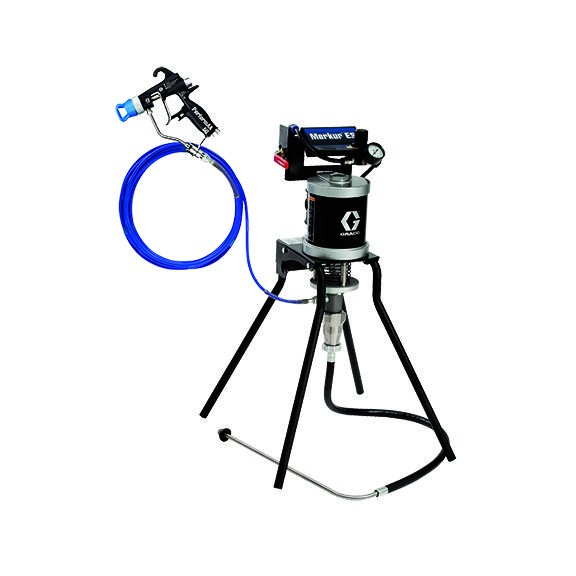
Furthermore, the Z configuration is used in industrial painting systems. The arrangement of the equipment allows for optimized air flow, ensuring uniform paint application and reducing material waste. This not only improves the quality of the finish, but also contributes to sustainability by minimizing the use of resources.
Finally, the Z configuration can be applied to packaging equipment. The efficiency of the pneumatic system allows machines to operate at high speeds, increasing production capacity and improving the overall efficiency of the packaging line.
Implementation and Best Practices
A implementation of configuration in Z it must be done with careful planning to ensure that all components work in an integrated manner. Firstly, it is essential to carry out a needs assessment of the system. This includes identifying which processes will be automated and which pneumatic components will be used.
One of best practices is to create a detailed layout system before installation. This layout must include the arrangement of actuators, valves and piping, ensuring that all elements are positioned to optimize air flow and system efficiency. Using simulation software can help visualize system performance before implementation.
During installation, it is important to follow the manufacturer specifications for each component. This ensures that each part of the system operates within ideal parameters, preventing future problems. Furthermore, the use of adequate pipes and secure connections is crucial to minimizing leaks and pressure losses.
After installation, the regular maintenance is fundamental. Performing periodic inspections and performance tests helps identify problems before they become critical. Training technical staff is also a recommended practice, as it ensures that all operators are familiar with the system and can make adjustments as needed.