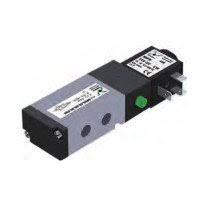
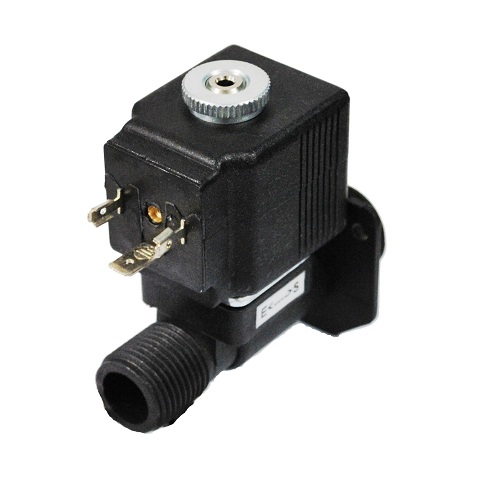
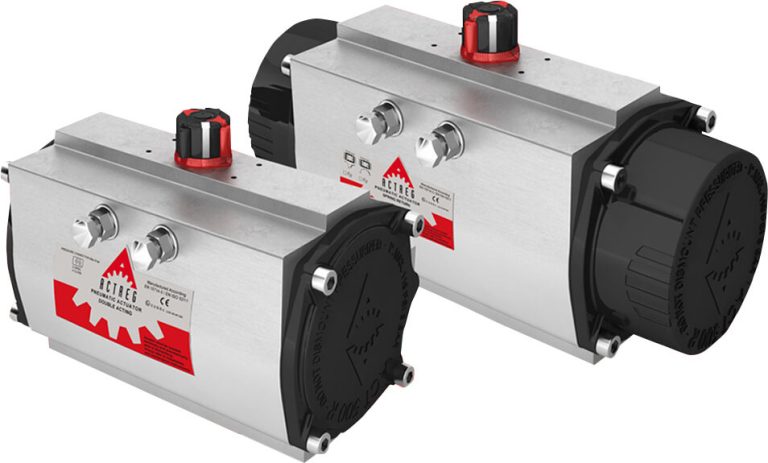
A 5/2 -way pneumatic solenoid valve is widely used to control air flow in pneumatic systems, especially to operate actuators such as pneumatic cylinders. Let's detail its operation:
Structure and components
FIVE ROADS (DOORS):
- Pressure Door (P): Compressed air inlet.
- Work doors (A and B): Compressed air outlet for actuators.
- Exhaust doors (EA and EB): Exit to the atmosphere or return of the actuators.
Two positions:
- Position 1 (Desenergized): Flow paths configured for a position.
- Position 2 (energized): Flow paths configured for another position.
Solenoid: An electric coil that, when energized, creates a magnetic field to move the spool.
Return spring: Returns the spool to the rest position when the solenoid is de -energized.
Operation
The 5/2 -way solenoid valve changes the path of airflow between two distinct positions, thus controlling the movement of pneumatic actuators.
Rest position (de -energized):
Air entrance:
- The compressed air enters through the pressure door (P).
Airflow:
- The return spring keeps the spool in its rest position.
- The compressed air is directed from door P to port A.
- Port B is connected to the EA port, allowing the air to escape the actuator.
Activated position (energized):
Energized solenoid:
- The application of electric current to the solenoid creates a magnetic field.
- This magnetic field moves the spool to the other position.
Flow redirect:
- The compressed air enters the door P.
- The air is now directed from port p to port B.
- Port A is connected to the EB port, allowing the air to escape the actuator
Learn more at: