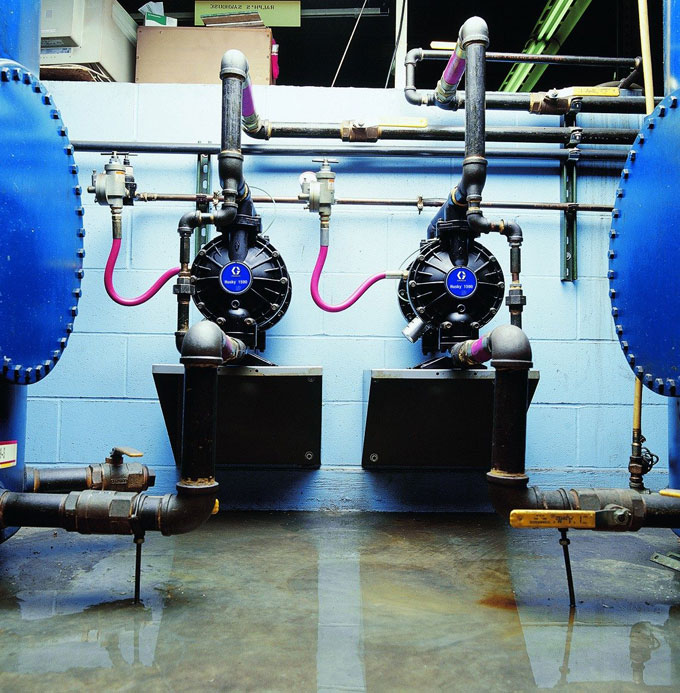
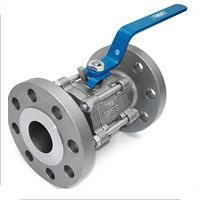
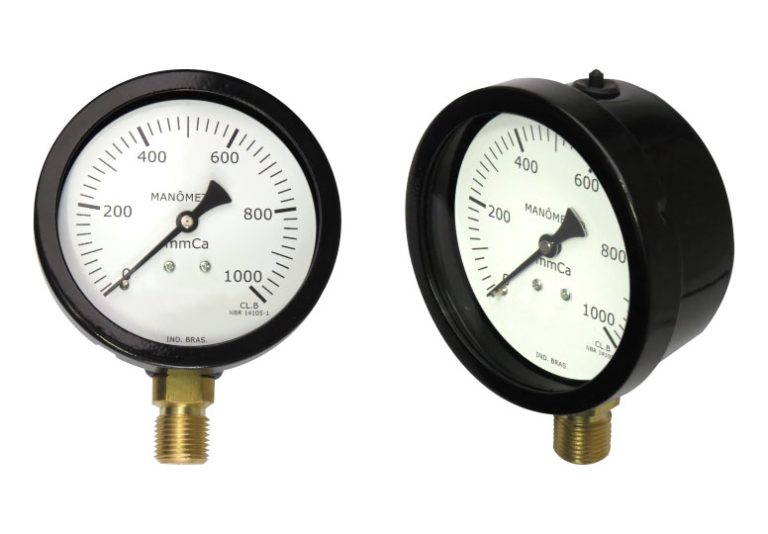
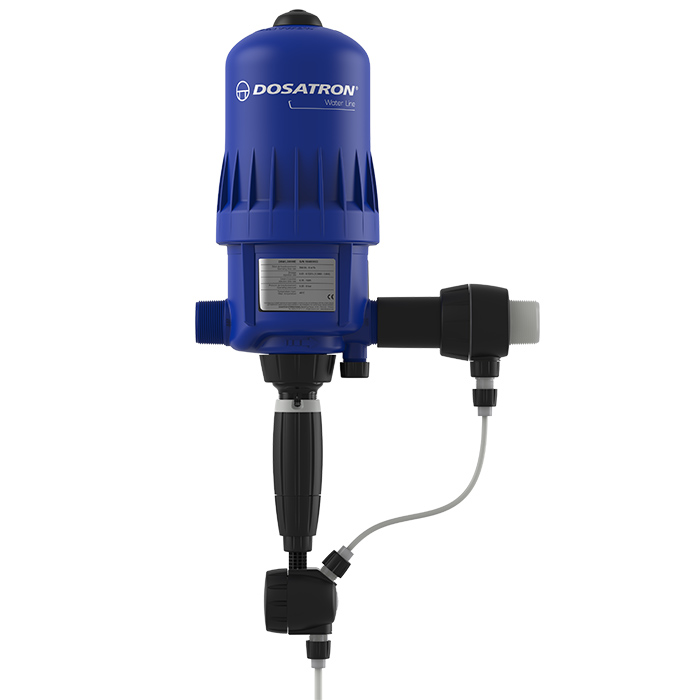
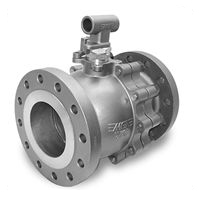
Proper maintenance is crucial to extending equipment life, reducing repair costs and improving operational efficiency. Investing in preventative maintenance and choosing quality parts guarantees optimal performance and safety in the work environment.
A proper maintenance of parts It is essential to guarantee the durability and performance of your equipment. In this article, we will discuss how choosing the right parts can not only improve performance, but also extend the life of your devices. Let's explore the main points you should consider when carrying out maintenance and ensuring maximum benefit from your investments.
Importance of Maintenance
A maintenance It is a crucial aspect to guarantee the efficiency and durability of equipment. Without adequate maintenance, devices may fail, reducing their performance and increasing operating costs.
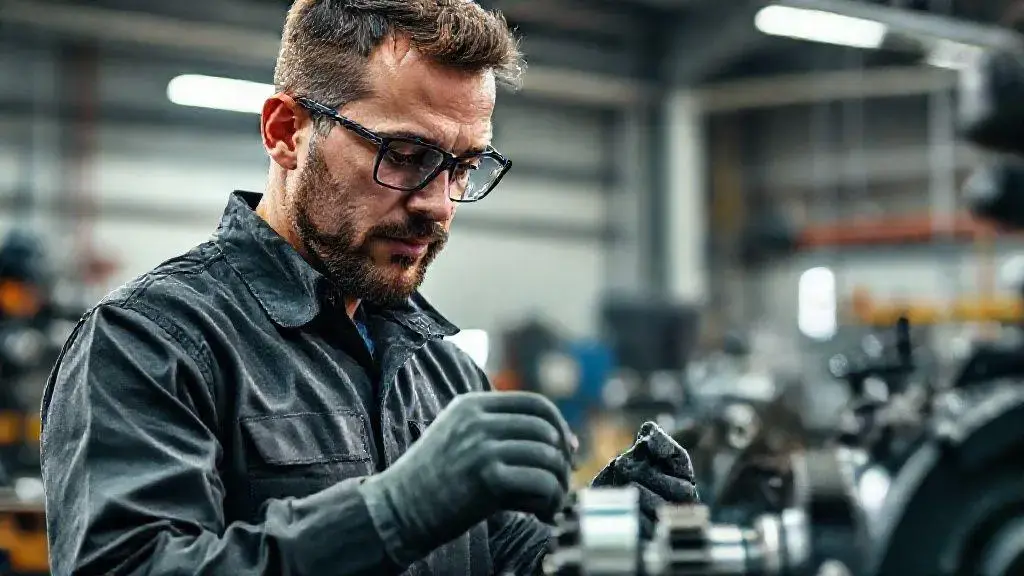
Performing maintenance regularly helps identify problems before they become serious. This not only prevents unexpected downtime, but also extends the life of the parts. For example, lubricating moving components can prevent wear and corrosion, ensuring equipment functions optimally.
Benefits of Regular Maintenance
In addition to preventing breakages, regular maintenance contributes to safety in the work environment. Well-maintained equipment is less likely to cause accidents, protecting operators' health and increasing productivity.
Impact on Costs
Investing in maintenance may seem like an additional cost, but in the long run, it results in significant savings. Equipment that operates efficiently consumes less energy and has lower repair costs. Therefore, maintenance is a smart strategy to optimize resources.
Types of Maintenance
There are different types of maintenance, such as preventive, which is carried out at regular intervals, and corrective, which is carried out after a problem has been identified. Choosing the appropriate type depends on the equipment and operation, but preventive maintenance is generally recommended.
Conclusion
In short, maintenance is essential to ensure that equipment operates efficiently and safely. By prioritizing maintenance, you not only protect your investment but also ensure a more productive work environment.
How to Choose the Right Parts
Choose the right parts Maintenance is essential to ensure the efficient functioning of equipment. Improper selection can lead to failures and additional costs. Here are some tips to help you with this process.
Get to know the Equipment
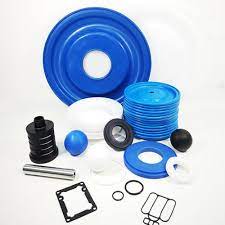
Before choosing any part, it is essential to understand the specifications of your equipment. Consult the manufacturer's manual to identify the recommended parts and their characteristics. This will ensure that you purchase compatible components.
Consider Quality
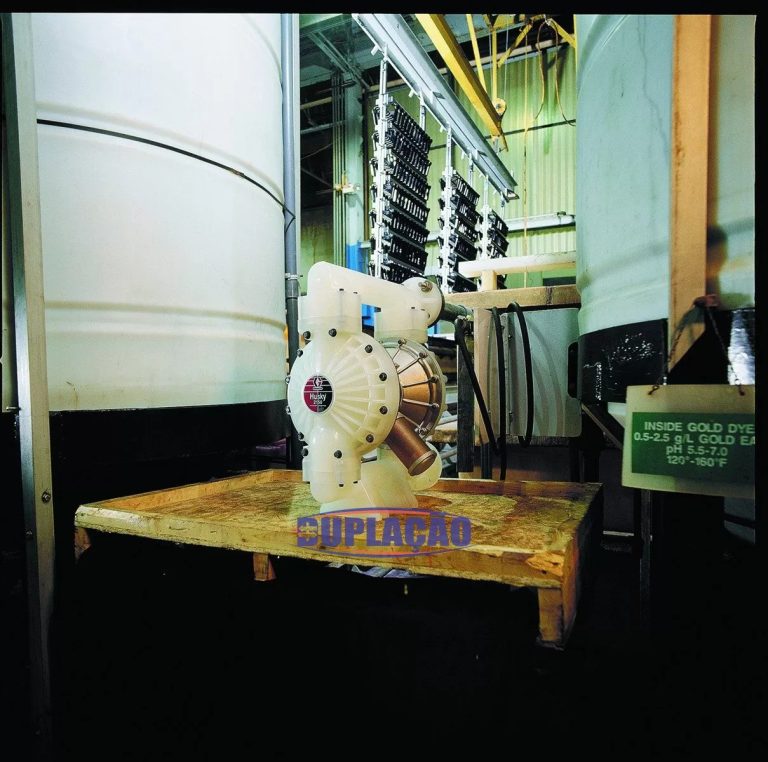
The quality of the parts is a crucial factor. Choose original parts or those from recognized brands, such as Graco Inc. e Pneumax, can make a difference in the durability and efficiency of your equipment. Poor quality parts can result in quick failures and high repair costs.
Check Warranty
When purchasing parts, check to see if they come with a warranty. This is an indication that the manufacturer trusts the quality of the product. A good warranty can offer security and protection against defects.
Compare Prices
Search and compare prices from different suppliers. Although cost should not be the only criterion, finding a good balance between price and quality is essential. Remember that the cheapest option may not always be the best option.
Consult Experts
If you have questions about which parts to choose, don't hesitate to consult an expert or qualified technician. They can offer valuable guidance and help you avoid purchasing mistakes.
Tips for Extending Lifespan
Extend to useful life of equipment is essential to maximize return on investment. Here are some practical tips to help with this goal.
Perform Regular Maintenance
Preventive maintenance is one of the best ways to ensure your equipment runs efficiently for longer. Schedule regular inspections and follow the manufacturer's recommendations for maintenance.
Use Quality Parts
When replacing parts, always choose high quality components. Original parts or from trusted brands, such as Graco Inc. e Pneumax, are designed to work perfectly with your equipment, reducing the risk of failures.
Train Operators
Operators must be well trained to use equipment correctly. Improper use can lead to damage and premature wear. Invest in regular training to ensure everyone knows how to operate and care for the equipment.
Monitor Performance
Use monitoring tools to monitor equipment performance. This can help identify problems before they become serious, allowing for quick and effective interventions.
Store Properly
Correct storage of equipment is also essential. Protect them from adverse conditions, such as humidity and extreme temperatures, which can cause damage. Keep the storage area clean and organized to avoid accidents.
Cost-Benefit of Proper Maintenance
O cost-benefit of proper maintenance is a crucial factor for any company that wants to maximize its equipment investments. Maintenance should not be seen just as a cost, but as an investment that brings significant returns in the long term.
Reduced Repair Costs
Performing preventative maintenance can prevent unexpected breakdowns and costly repairs. When equipment is kept in good condition, the probability of failure decreases, resulting in less spending on repairs and replacements.
Increased Operational Efficiency
Well-maintained equipment operates more efficiently, consuming less energy and resources. This not only reduces operating costs, but also improves productivity, allowing the company to achieve its goals more effectively.
Extending the Useful Life of Equipment
Investing in adequate maintenance extends the useful life of equipment. This means that the company can use the same assets for longer, postponing the need for investment in new equipment and improving return on investment.
Security and Compliance
Regular maintenance also ensures that equipment complies with safety standards. This not only protects employees, but also avoids fines and penalties that can occur due to non-compliance.
Valuation of Heritage
Well-maintained equipment has higher resale value. When the time comes to upgrade or replace assets, the company can recover a significant portion of the initial investment, increasing financial returns.
Common Maintenance Errors
Avoid common maintenance mistakes It is essential to ensure the efficiency and durability of equipment. Here are some of the most frequent errors that can compromise the operation.
Ignore the Manufacturer's Manual
One of the most common mistakes is not following the recommendations in the manufacturer's manual. Each piece of equipment has specifications and guidelines that must be respected to ensure its proper and safe functioning.
Procrastinate Preventive Maintenance
Putting off preventive maintenance can lead to bigger problems in the future. It is important to follow a regular maintenance schedule to avoid unexpected failures and high repair costs.
Use Low Quality Parts
Opting for low-quality replacement parts can result in quick failures and additional damage to the equipment. Always choose original parts or parts from trusted brands to ensure compatibility and durability.
Not Training Operators
Operators must be well trained to use equipment correctly. Lack of training can lead to operational errors that damage equipment and compromise safety.
Disregard Warning Signs
Ignoring warning signs, such as strange noises or erratic performance, can result in serious failures. It is essential to monitor equipment performance and act quickly when noticing any anomalies.
Maintenance: The Key to Equipment Durability
Proper maintenance is essential to ensure your equipment operates efficiently and safely. By following these tips and avoiding common mistakes, you can extend the life of your assets and maximize your return on investment.
Investing in preventive maintenance, choosing quality parts and training operators are fundamental steps to avoid future problems. Remember that maintenance is not just a cost, but an investment that brings significant long-term benefits.
Therefore, prioritize maintenance and ensure that your equipment is always in excellent working order.
FAQ – Frequently asked questions about equipment maintenance
Why is preventive maintenance important?
Preventive maintenance helps prevent unexpected failures, reducing repair costs and extending the useful life of equipment.
How to choose the right parts for maintenance?
It is essential to know the specifications of the equipment and choose quality parts, preferably original or from trusted brands.
What are common maintenance errors?
Common mistakes include ignoring the manufacturer's manual, procrastinating maintenance, using low-quality parts, and not training operators.
How does maintenance affect operational efficiency?
Well-maintained equipment operates more efficiently, consuming less energy and improving the company's overall productivity.
What is the cost-benefit of proper maintenance?
Investing in adequate maintenance can result in significant savings, extending the useful life of equipment and avoiding high repair costs.
How can I monitor equipment performance?
Use monitoring tools and perform regular inspections to identify problems before they become serious.