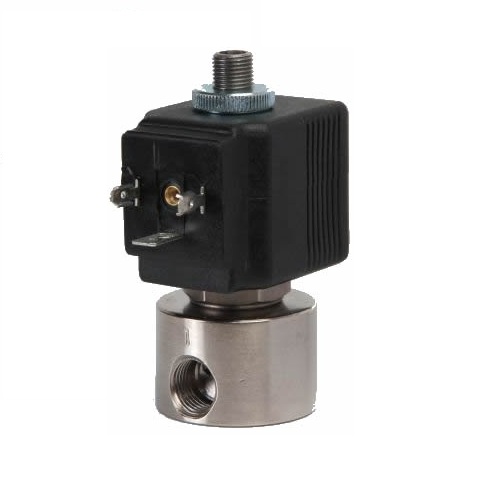
The Z-branch, or Z-branch, is an important configuration in pneumatic systems that allows efficient distribution of compressed air. This method is widely used in industrial automation to ensure that components receive the necessary pressure in a balanced way. This increases operational efficiency and reduces energy waste.
1. What is Z Branching?
A Z branch is a configuration used in pneumatic systems that allows the efficient distribution of compressed air. This technique is essential to ensure that different components of a system receive the necessary pressure in a balanced way.
In practice, the Z-branch connects multiple pneumatic devices to a single air source, forming a pattern that resembles the letter 'Z'.
This type of branching is especially useful in applications where it is necessary to control multiple tools or actuators from a single air supply point. By using Z-branching, engineers are able to optimize system space and efficiency, reducing the number of pipes and connections required.
Furthermore, the Z-branch facilitates maintenance, as it allows one part of the system to be isolated without interrupting the operation of the entire system. This flexibility is one of the main reasons why Z-branch is widely adopted in industries that use pneumatic automation.
2. Advantages of Z-Branching
A Z branch offers several advantages that make it a popular choice in pneumatic systems. One of the main advantages is the Efficiency in air distribution. With this configuration, compressed air is distributed evenly between the different devices, which helps maintain adequate pressure in each of them.
Another significant advantage is the space reduction. Z-branch allows multiple actuators or tools to be connected to a single air source, minimizing the amount of piping and connections required. This not only saves physical space, but also simplifies system installation and maintenance.
Furthermore, the Z-branch provides operational flexibility. In situations where it is necessary to isolate a component for maintenance, this configuration allows the rest of the system to continue operating normally. This is crucial in industrial environments where continuity of operations is vital.
Finally, branching in Z can result in cost savings. With fewer pipes and connections, material and installation costs are reduced. Additionally, efficiency in air distribution can lead to a decrease in energy consumption, resulting in lower operating expenses in the long term.
3. Practical Applications of Z Branching
A Z branch It is widely used in various practical applications in industry, especially in pneumatic systems. One of the most common applications is in assembly lines, where various pneumatic tools such as impact wrenches and spray guns need to be powered by compressed air. The Z-branch allows all of these tools to be connected to a single air source, making work easier and increasing efficiency.
Another significant application is in packaging machines. In these systems, the Z-branch helps control actuators that move packages, ensuring that each step of the process occurs synchronously. This results in smoother and faster operation, increasing productivity.
Furthermore, the Z branch is used in industrial automation systems, where it is necessary to control multiple pneumatic cylinders. This configuration allows engineers to easily adjust the pressure and air flow to each cylinder, optimizing the performance of the system as a whole.
Finally, branching in Z is also applied in industrial cleaning equipment, where efficient distribution of compressed air is essential for the operation of cleaning tools such as blowers and pneumatic vacuum cleaners. This technique ensures that air reaches all necessary areas, improving cleaning effectiveness.
4. Technical Considerations in Implementation
When implementing the Z branch In pneumatic systems, it is essential to consider some technical aspects to ensure optimal performance. Firstly, the adequate sizing of pipes is crucial. Pipes that are too small can cause pressure loss, while pipes that are too large can result in wasted space and materials. Calculating the correct diameter must take into account the distance between the air source and the connected devices.
Another important point is the choice of connectors and valves. It is essential to use components that support the pressure and air flow necessary for the system. High-quality valves ensure that the air is directed correctly and that there are no leaks, which could compromise the system's efficiency.
In addition, the regular maintenance it is a vital technical consideration. Pneumatic systems must be inspected periodically to identify possible wear or component failures. Preventative maintenance can prevent unexpected downtime and extend the life of the system.
Finally, the team formation which operates the system is also a technical aspect to be considered. Operators must be trained to understand how Z-branch works and how to perform basic adjustments and maintenance. This ensures that the system operates efficiently and safely, maximizing the benefits of Z-branching.