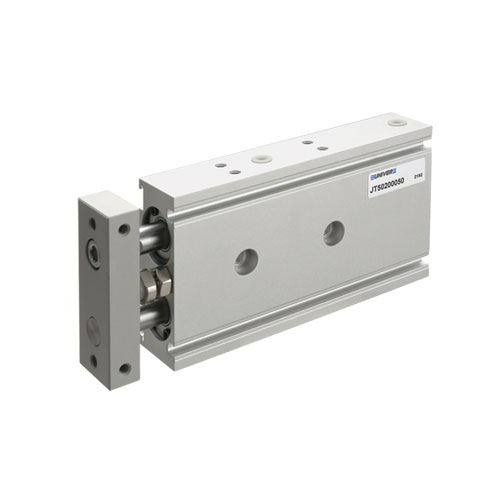
The control Y-valve is an essential component in automation systems, allowing the diversion and control of fluid flow effectively. With its robust construction and innovative design, this valve is ideal for applications that require precision and reliability. In this article, we will explore the characteristics, benefits and practical applications of the control Y-valve, highlighting its importance in industrial automation.
What is a Control Y-valve?
A Y-control valve is a mechanical device designed to direct the flow of fluids in pneumatic and hydraulic systems. It has a characteristic Y shape, which allows the fluid to enter one point and divide into two paths. This valve is essential in applications where it is necessary to precisely control the flow direction.
Its operation It is based on an opening and closing mechanism, which can be activated manually or automatically, depending on the system in which it is inserted.
As Advantages of Y-valve control include the ability to optimize fluid use, reducing waste and increasing system efficiency. Furthermore, its robust construction guarantees durability and resistance to adverse conditions, such as high pressures and temperatures. Another positive point is ease of maintenance, as most Y-valves allow quick access to internal components, facilitating repairs and replacements.
As Practical Applications of the control Y-valve are diverse. It is widely used in the chemical industry, where precise control of the flow of reagents is crucial. It is also common in irrigation systems, where the valve helps direct water to different growing areas. In the food industry, the Y-valve is used to ensure that ingredients are mixed correctly, maintaining the quality of the final product.
To choose the ideal control Y-valve, it is important to consider some factors. First, evaluate the type of fluid that will be used, as this influences the valve material. Next, check the operating pressure and temperature, ensuring the valve will withstand the system conditions. Finally, consider the drive method, whether manual or automatic, and choose the one that best suits your operational needs.
Advantages of Control Y-valve
A Y-control valve offers several advantages which make it a popular choice in pneumatic and hydraulic systems. One of the main advantages is the efficiency in directing fluids. With its Y-shaped structure, it allows the flow to be divided precisely, optimizing the use of resources and reducing waste.
Another significant advantage is the durability of the material used in the manufacture of the Y-valve. They are often made of metal alloys that are resistant to corrosion and wear, which guarantees a long service life even in harsh conditions. This is especially important in industries where reliability is crucial.
A ease of maintenance is also a positive point. Most Y-valves are designed to allow quick access to internal components, making it easy to clean and replace parts when necessary. This reduces system downtime and improves operational efficiency.
Additionally, the control Y-valve can be easily integrated to automated systems, allowing more precise control of fluid flow. This is especially useful in applications that require frequent adjustments to operating conditions.
Finally, the versatility of the Y-valve is a notable advantage. It can be used in various industries, such as chemical, food and pharmaceutical, adapting to different needs and operating requirements.
Practical Applications of Control Y-valve
A Y-control valve is widely used in various Practical Applications, due to its versatility and efficiency. One of the sectors that benefits most from this component is chemical industry. In this area, the Y-valve is used to control the flow of reagents in mixing and reaction processes, ensuring that the correct quantities are directed to each stage of the process. This is crucial for the safety and quality of the final product.
Na food industry, the control Y-valve plays an important role in the automation of production lines. It is used to direct ingredients and fluids, such as sauces and syrups, precisely, avoiding contamination and ensuring the hygiene of the process. Additionally, the ability to adjust flow allows companies to meet different production demands.
Another application example is in agricultural irrigation. The Y-valve is used to direct water to different cultivation areas, allowing more efficient control of the use of water resources. This is especially important in regions where water is scarce, as it helps maximize crop productivity.
Furthermore, the control Y-valve is common in heating and cooling systems. It allows the flow of hot or cold water to be directed to different parts of a building, ensuring thermal comfort and energy efficiency.
Finally, the Y-valve is also used in industrial applications general, such as in compressed air systems, where it is necessary to control the air flow to different machines and tools. Its ability to operate at high pressure and temperature makes it a reliable choice for a variety of situations.
How to Choose the Ideal Control Y-valve
Choosing the ideal control Y-valve involves considering several important factors to ensure the component meets your system's specific needs. First, it is essential to assess the Type of fluid that will be used. Different fluids, such as water, oil or chemicals, may require different valve materials. For example, if the fluid is corrosive, a Y-valve made from corrosion-resistant materials such as stainless steel is recommended.
Another aspect to be considered is the operating pressure and temperature. Each Y-valve has specifications that indicate the maximum pressure and temperature range it can withstand. It is crucial to choose a valve that is within these limits to avoid failures and ensure system safety.
In addition, the drive method of the Y-valve must be evaluated. There are manual and automatic valves. Automatic valves are ideal for systems that require frequent adjustments and remote control, while manual valves may be sufficient for simpler applications.
Another important point is the valve size. The diameter of the Y-valve must be compatible with the existing piping system. A valve that is too small can restrict flow, while one that is too large can cause a loss of pressure.
Finally, it is recommended to consider the brand and quality from the manufacturer. Opting for recognized brands such as Graco Inc. and Pneumax can ensure product reliability and durability. Investing in a quality Y-valve can result in less maintenance and greater efficiency in the long term.