Xylene is a solvent widely used in industrial cleaning processes, especially in the maintenance of pneumatic and hydraulic systems. Its effectiveness in removing residue and contaminants makes it a popular choice among professionals in the field. In this article, we will cover the practical applications of xylene, its advantages, and safety considerations during use.
1. What is Xylene? Definition and chemical properties of xylene, including its isomeric forms.
The xylene is a chemical compound belonging to the class of aromatic hydrocarbons. Its molecular formula is C8H10, and it is composed of three main isomers: ortho-xylene, meta-xylene e para-a-xhylene. Each of these isomers has a slightly different molecular structure, which results in distinct physical and chemical properties.
O ortho-xylene has adjacent methyl groups, while in meta-xylene they are separated by a carbon, and in the para-a-xhylene are in opposite positions on the benzene ring. These structural differences influence characteristics such as boiling point, solubility and reactivity.
Xylene is a colorless liquid with a characteristic sweet odor. It is widely used as a solvent in various industrial applications due to its ability to dissolve a wide range of substances, including greases, oils and resins.
Additionally, xylene is used in the production of chemicals such as terephthalic acid, which is an essential component in the manufacture of plastics and synthetic fibers.
Due to its volatility, xylene can evaporate quickly, which makes it effective in cleaning processes, but it also requires special care when handling. Exposure to xylene can cause skin and respiratory irritation, so it is essential to follow safety guidelines when using it.
2. Applications of Xylene in System Cleaning. Exploration of the various applications of xylene in cleaning processes, including its effectiveness in removing grease and oils.
The xylene It is widely used in industrial cleaning processes due to its effectiveness in removing grease, oils and other contaminants. Its ability to dissolve organic substances makes it an ideal solvent for cleaning parts and equipment in various sectors, such as automotive, metallurgical and chemical.
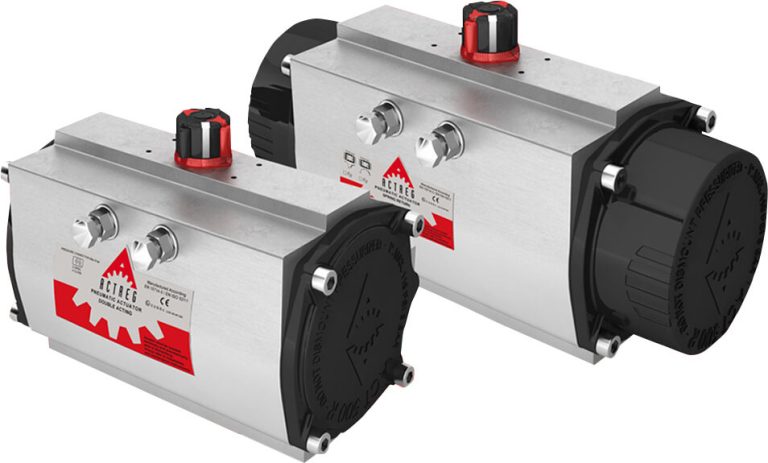
One of the main applications of xylene is in cleaning pneumatic and hydraulic systems. It is used to degrease components, such as valves and actuators, ensuring that there is no residue that could compromise the proper functioning of the systems. Furthermore, xylene is effective in removing paint and adhesives, facilitating equipment maintenance and repair.
The use of xylene in cleaning processes is advantageous as it evaporates quickly, minimizing equipment downtime. Its volatility also helps prevent the formation of waste, which is crucial to maintaining operational efficiency.
Furthermore, xylene can be used in mixtures with other solvents, enhancing its cleaning action and adapting to the specific needs of each application. It is important to highlight that, when using xylene, it is essential to follow safety and handling guidelines, ensuring a safe and efficient work environment.
3. Advantages of Using Xylene. Analysis of the benefits of xylene compared to other solvents, such as cleaning efficiency and speed.
The xylene It has several advantages compared to other solvents used in cleaning processes. One of the main features that makes it stand out is its efficiency in removing contaminants such as grease and oils. This is due to its chemical structure, which allows the dissolution of a wide range of organic substances.
Furthermore, xylene has a boiling point relatively low, which means it evaporates quickly after application. This property is crucial in industrial environments where downtime must be minimized. The rapid evaporation of xylene reduces the need for rinsing, making the cleaning process more agile.
Another significant advantage of xylene is its versatility. It can be used in a variety of applications, from cleaning electronic components to degreasing metal parts. This adaptability allows industries to use the same solvent for different tasks, simplifying chemical product management.
Compared to solvents such as acetone or toluene, xylene tends to be less aggressive, which can result in less damage to materials and components during the cleaning process. However, it is important to remember that, despite its advantages, xylene must be used with caution, respecting safety guidelines to ensure a safe working environment.
4. Safety Considerations When Using Xylene. Guidance on safe handling, storage, and necessary precautions when working with xylene.
Safe use of xylene It is essential to protect the health of workers and the environment.
When handling xylene, it is essential to use Personal Protective Equipment (PPE), such as gloves, protective glasses and respiratory masks, to avoid direct exposure to the product.
O storage of xylene must be done in well-ventilated places, away from heat sources and direct light. Containers must be properly labeled and kept closed when not in use. It is important to store xylene in compatible containers, such as those made from glass or solvent-resistant plastic.
During handling, inhalation of vapors should be avoided, as prolonged exposure can cause irritation to the respiratory tract and adverse health effects.
In the event of a spill, it is crucial to have an emergency plan, using suitable absorbent materials to contain and clean up the product.
In addition, it is important to follow the local and national guidelines on the disposal of waste containing xylene. Never pour xylene into sewers or bodies of water, as this can cause damage to the environment. Disposal must be carried out in accordance with environmental regulations, using specialized services when necessary.