Compressed air automation is an effective solution for small businesses, increasing efficiency, reducing costs and improving product quality. Despite challenges, such as initial costs and training requirements, the benefits outweigh the difficulties, making it a valuable option for optimizing operations.
A small compressed air automation is an innovative solution that allows the optimization of processes in small businesses. Using this technology can mean a real revolution in the productivity and efficiency of your business. In this article, we'll explore the basics of compressed air automation, its benefits, how to implement it, and what challenges you may face when adopting it.
What is compressed air automation?
A compressed air automation refers to the use of pneumatic systems to control and optimize industrial processes. This technology uses compressed air as a source of energy to drive machines and tools, allowing for more efficient and precise operation.
How Compressed Air Automation Works
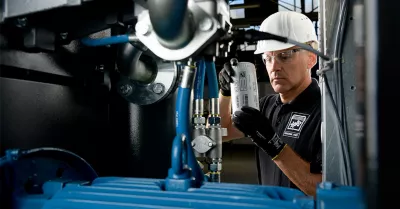
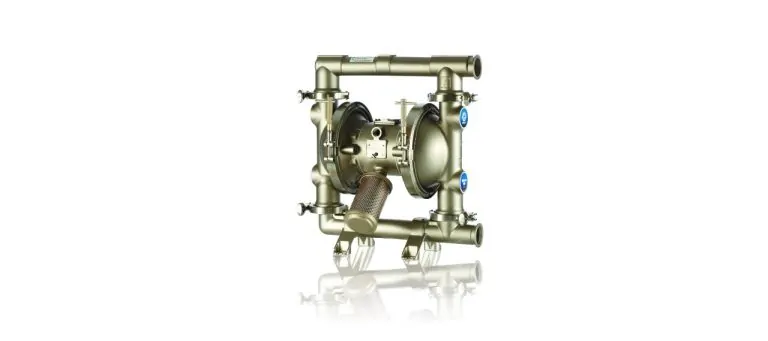
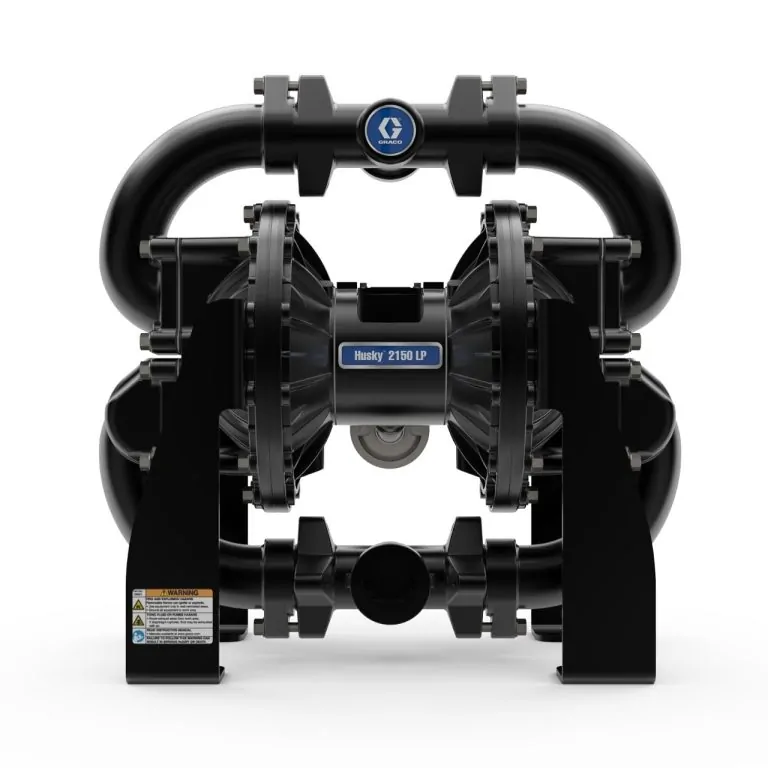
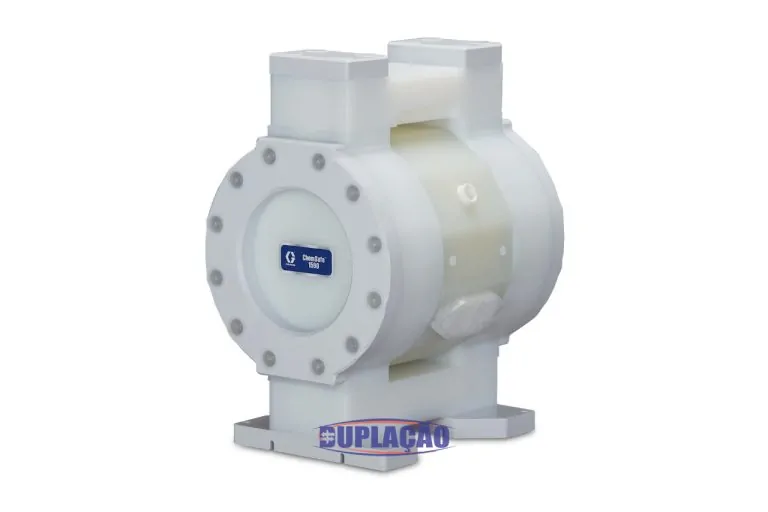
Compressed air automation systems typically include compressors, valves, actuators and sensors. The compressor generates compressed air, which is stored in a reservoir and distributed to different points of use. Valves control air flow, while actuators perform necessary mechanical work, such as moving parts or activating devices.
Advantages of Compressed Air Automation
One of the main advantages of compressed air automation is its ability to increase operational efficiency. By using compressed air, companies can reduce downtime and improve productivity. Additionally, this technology is generally safer and cleaner compared to other automation methods.
Common applications
Compressed air automation is widely used in a variety of industries, including manufacturing, packaging and assembly. For example, on an assembly line, pneumatic actuators can be used to quickly position and secure components, while valves control airflow to ensure each step in the process occurs synchronously.
Benefits of Automation for Small Businesses
A automation for small businesses offers a range of benefits that can transform the way businesses operate. By implementing automated systems, small businesses can increase efficiency, reduce costs and improve the quality of products and services.
Increased Operational Efficiency
One of the main benefits of automation is increased operational efficiency. Processes that were previously manual and time-consuming can be carried out quickly using technology. This allows employees to focus on more strategic tasks, increasing the company's overall productivity.
Cost reduction
Automation can also lead to reduced operational costs. By reducing the need for labor for repetitive tasks, companies can save on salaries and benefits. Additionally, automation helps minimize errors, which can result in less waste and rework.
Improvement in Product Quality
With automation, small businesses can ensure greater consistency in production. Automated machines and systems operate with precision, reducing variability and improving the quality of final products. This can result in greater customer satisfaction and loyalty.
Agility in Decision Making
Automation also provides access to real-time data, allowing small business owners to make more informed and faster decisions. With automated reports and analysis, you can identify market trends and opportunities more easily.
How to implement automation in your company
Implement to automation in your company It may seem challenging, but with proper planning, it is possible to make the process simpler and more effective. Here are some essential steps for successfully implementing automation.
1. Needs Assessment
The first step is to assess your company's specific needs. Identify the processes that consume the most time and resources and that could benefit from automation. This may include repetitive tasks such as data entry, inventory control or customer service.
2. Solution Search
After identifying the areas that need automation, research the solutions available on the market. There are several tools and systems that can be adapted to your needs. Consider factors such as cost, ease of use, and technical support when choosing the most appropriate solution.
3. Implementation Planning
Develop a detailed plan for implementing automation. This should include timelines, required resources, and the team responsible for each step of the process. Good planning helps minimize disruptions to the company's daily operations.
4. Team Training
Team training is essential to ensure everyone knows how to use new tools and systems. Offer training sessions and ongoing support to help employees adapt to changes. This not only improves efficiency but also increases acceptance of automation.
5. Monitoring and Adjustments
After implementation, it is important to monitor the performance of the new systems. Evaluate whether the automation is achieving the expected results and make adjustments as necessary. Team feedback can be valuable in identifying areas for improvement.
Challenges of compressed air automation in small businesses
A compressed air automation It brings many benefits, but it also presents challenges, especially for small businesses. Understanding these challenges is crucial to successful implementation.
1. Initial Implementation Cost
One of the main challenges is the initial implementation cost. Automation equipment, such as compressors and valves, can require a significant investment. For small businesses, this can be a hindrance, especially if the budget is limited.
2. Need for Training
Another challenge is the need for adequate training for employees. Compressed air automation involves technology that may be new to the team. Without proper training, the effectiveness of automation can be compromised, resulting in errors and inefficiencies.
3. Maintenance and Technical Support
Maintenance of automation systems is essential to ensure their proper functioning. Small businesses may not have the in-house resources to perform necessary maintenance, which can lead to additional external service costs and disruptions to operations.
4. Integration with Existing Systems
Integrating compressed air automation with existing systems can be complex. Many small businesses already use manual processes or legacy systems, and the transition to automation can require significant adjustments to workflows.
5. Resistance to Change
Finally, resistance to change from employees can be a challenge. The introduction of new technologies can generate insecurity and resistance, especially if employees do not realize the benefits of automation. It is important to clearly communicate the advantages and involve the team in the change process.
Conclusion on Compressed Air Automation
Compressed air automation can be a powerful solution for small businesses looking to increase efficiency and reduce costs. Although there are challenges, such as the initial cost and the need for training, the benefits outweigh the difficulties.
Implementing this technology in a planned and gradual manner can lead to significant improvements in productivity and product quality. With the right support and a well-trained team, automation can transform the way your business operates.
Therefore, consider compressed air automation as an opportunity to innovate and stand out in the competitive market.
FAQ – Frequently asked questions about compressed air automation in small businesses
What are the main benefits of compressed air automation for small businesses?
The main benefits include increased operational efficiency, reduced costs, improved product quality and agility in decision-making.
How can I start implementing compressed air automation in my company?
Start by assessing your company's needs, research available solutions, plan implementation and train your team to use new technologies.
What are the common challenges in compressed air automation?
Challenges include initial implementation cost, training needs, systems maintenance, integration with existing processes, and resistance to change.
Is compressed air automation suitable for every small business?
Although it brings many benefits, automation must be evaluated based on the specific needs of each company and the viability of the investment.
How can I ensure my team embraces automation?
Clearly communicate the benefits of automation and involve staff in the process by offering training and ongoing support.
What types of equipment are needed for compressed air automation?
Equipment includes compressors, valves, actuators and control systems that work together to optimize industrial processes.