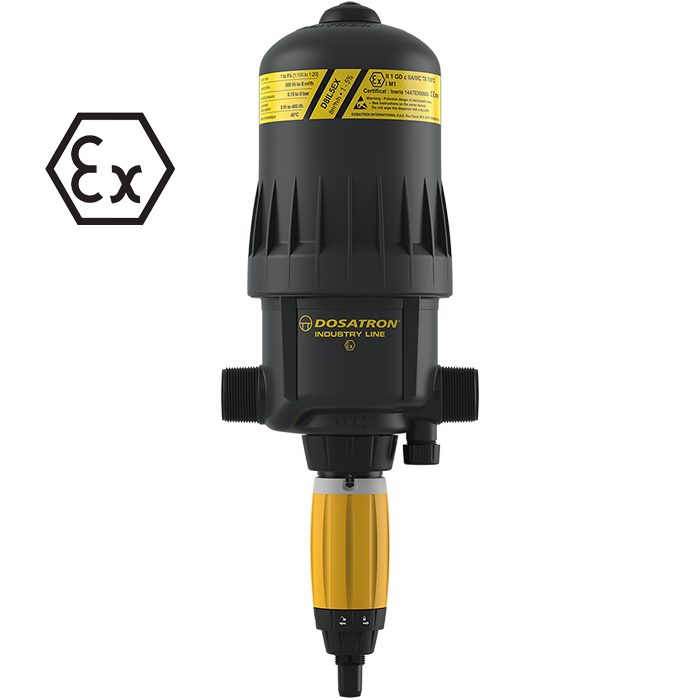
Regulating valves play a crucial role in industrial systems, allowing precise control of fluid flow. In this article, we will cover its applications, benefits and how to choose the ideal valve for your needs.
What is a Regulation Valve?
One regulating valve is a mechanical device designed to control the flow of fluids in pneumatic and hydraulic systems. These valves are essential to ensure that the pressure and flow of fluids are maintained at desired levels, preventing overloads and ensuring system safety.
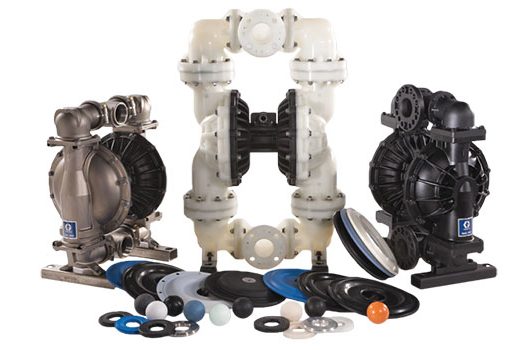
The operation of a regulation valve is based on a mechanism that allows you to adjust the opening of the valve, thus controlling the amount of fluid that passes through it. This is done using an actuator, which can be manual or automatic, depending on the application. Regulating valves can be found in different formats, such as ball valves, globe valves and diaphragm valves, each with its specific characteristics.
These valves are widely used in industries such as petrochemical, pharmaceutical, food and energy, where precise flow control is crucial for the efficient operation of processes. Furthermore, regulation valves help to optimize energy consumption and reduce waste, contributing to the sustainability of industrial operations.
Applications of Regulation Valves
As regulating valves They are widely used in various industries due to their ability to precisely control the flow of fluids.
One of the main applications is in petrochemical industry, where these valves help regulate the pressure and flow of oil and its derivatives during processing.
Na food industry, the regulation valves ensure that the ingredients are mixed in the correct proportion, maintaining the quality of the final product.
They are also essential in heating and cooling systems, where temperature control is critical to process safety and efficiency.
Furthermore, regulating valves are used in irrigation systems, allowing effective control of water flow, which is vital for agriculture.
Em power plants, these valves help manage the flow of steam and water, optimizing energy generation and minimizing losses.
Another example is in HVAC systems (heating, ventilation and air conditioning), where regulation valves adjust the flow of air and refrigerant, improving energy efficiency and environmental comfort.
Benefits of Regulation Valves
As regulating valves offer a number of significant benefits for industrial and commercial systems. One of the main benefits is the precise flow control of fluids, which is essential to maintain operational efficiency. With adequate control, it is possible to avoid waste and ensure that processes operate within the desired parameters.
Another important benefit is the reduction of operating costs. By optimizing fluid flow, regulation valves help minimize energy consumption, resulting in significant savings over time. This is especially relevant in systems that operate continuously, where small improvements can lead to big savings.
Regulating valves also contribute to the systems security. By keeping pressure and flow within safe limits, they help prevent failures and accidents that could result in equipment damage or worker safety risks.
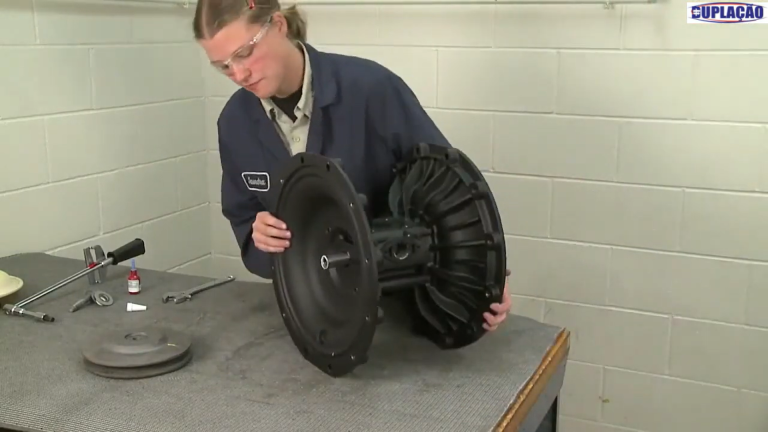
In addition, the ease of maintenance This is a positive aspect of regulation valves. Many of them are designed to be easily accessible, allowing maintenance and adjustments to be carried out quickly and efficiently, minimizing downtime.
How to Choose the Ideal Regulation Valve
Choose the ideal regulation valve It is a crucial step to ensure the efficiency and security of a system. To do this, it is important to consider some essential factors.
First, it is necessary to assess the Type of fluid which will be regulated. Different fluids, such as water, oil or gases, may require specific valves that support their characteristics.
Another aspect to be considered is the pressure and temperature of operation. Each valve has pressure and temperature limits that must not be exceeded. Therefore, it is essential to choose a valve that meets the conditions of your system.
A flow is also an important factor. It is necessary to calculate the maximum and minimum flow that the valve will need to regulate. This helps ensure that the valve you choose is capable of handling the demands of the system without compromising performance.
In addition, the ease of maintenance must be considered. Valves that allow easy access for maintenance and adjustments are preferable as they minimize downtime and maintenance costs.
Finally, it is recommended to consult experts or trusted suppliers, who can offer guidance on the best options available on the market, ensuring that the choice meets the specific needs of your project.