The use of equipment is fundamental in several industries, directly impacting the productivity and safety of employees. In this article, we will address best practices and the importance of using appropriate equipment to optimize processes and minimize risks.
1. Importance of Using Appropriate Equipment
The use of appropriate equipment is essential to ensure the efficiency and a security in the work environment. Equipment that is not appropriate for a specific task can lead to operational errors, increasing the risk of accidents and damage to products.
Furthermore, the use of correct tools can optimize processes, reducing execution time and improving the quality of the work performed.
When employees use appropriate equipment, they feel more confident e motivated, which results in a more productive work environment. Choosing quality equipment also directly reflects on the company image, showing a commitment to safety and efficiency.
On the other hand, lack of attention when choosing equipment can result in high costs in the long term, either through frequent maintenance or the need to replace inadequate equipment. Therefore, investing in adequate equipment is a strategic decision that brings benefits to both the operation and the safety of employees.
2. Types of Equipment and Their Applications
There are different types of equipment used in different sectors, each with its own characteristics. specific applications. Knowing this equipment is essential to optimize processes and ensure efficiency. Among the main types, the following stand out:
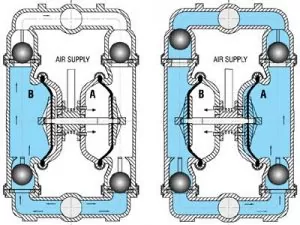
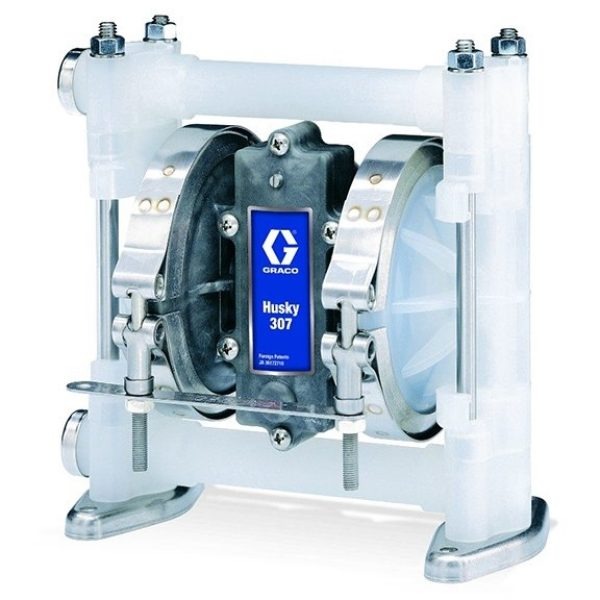
- Pneumatic Pumps: Used to move fluids, they are ideal in chemical and food industries. They guarantee the safe transfer of liquids and are essential in processing processes. painting and coating.
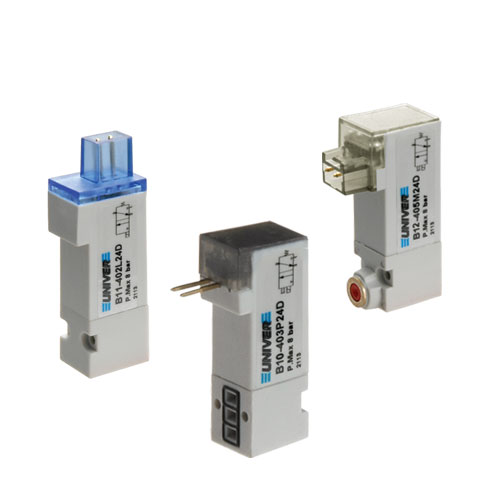
- Valves: Responsible for controlling the flow of fluids, valves are crucial in automation systems. They can be manual or automatic, depending on the needs of the process.
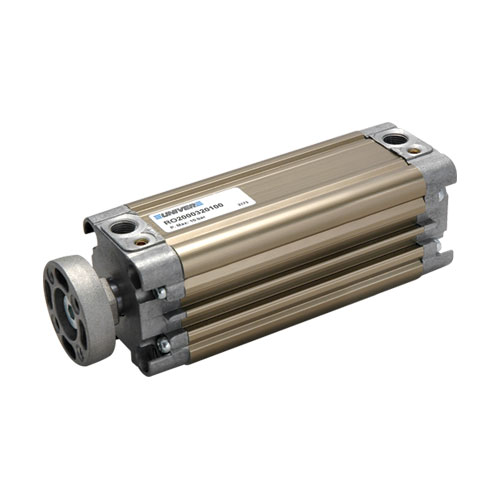
- Actuators: These devices convert energy into movement, being fundamental for controlling valves and other mechanisms. Pneumatic actuators are widely used in production lines to ensure precision and speed in operations.
- Automation Systems: They integrate various equipment to optimize production. These systems are used in factories to increase productivity and reduce human errors.
Each type of equipment has characteristics that make it more suitable for certain tasks. The correct choice is essential to maximize the operational efficiency and ensure the safety of employees.
3. Maintenance and Necessary Care
Proper maintenance of equipment is crucial to ensuring its performance e durability. Poorly maintained equipment can lead to failures, increasing operating costs and the risk of accidents. There are some essential practices that must be followed:
- Preventive maintenance: Performing regular inspections and scheduled maintenance helps identify problems before they become serious. This includes checking parts, lubricating and making necessary adjustments.
- Regular cleaning: Dirt and accumulation of residue can compromise the functioning of equipment. Cleaning should be part of the maintenance routine, ensuring that equipment operates in ideal conditions.
- Team Training: Employees must be trained to identify signs of wear and failure. This helps prevent damage and ensure equipment is used correctly.
- Documentation: Keeping detailed records of all maintenance carried out is essential. This allows for more effective monitoring and helps plan future interventions.
Following these practices not only increases the life of equipment, but also improves the security in the work environment. Well-maintained equipment operates more efficiently, resulting in fewer downtimes and greater productivity.
4. Training and Qualification of Employees
O training and a training of employees are essential for the effective use of equipment. When employees are well trained, they can operate equipment safely and efficiently. This not only increases productivity but also reduces the risk of accidents. Some important practices include:
- Training Programs: Implement regular training programs for all employees who use equipment. These programs must address both the correct operation and basic maintenance of equipment.
- Practical Simulations: Conducting practical simulations helps employees become familiar with the equipment in a controlled environment. This increases confidence and skill in actual operation.
- Constant Updates: The technology and equipment sector is always evolving. It is important that employees receive updates on new tools and techniques, ensuring they are always informed.
- Feedback and Rating: After training, it is essential to collect feedback from employees and evaluate learning. This helps identify areas that need more attention and improve training programs.
Investing in training and capacity building not only improves operational efficiency, but also promotes a safer and more collaborative work environment. Well-trained employees feel more valued and motivated, which directly reflects on the quality of the work performed.