The pressure unit is a fundamental concept in several areas of engineering and physics. Understanding its definitions and applications is essential for professionals who work with pneumatic, hydraulic systems and other industrial processes. In this article, we will explore the main pressure units, their characteristics and how they impact the performance of equipment and systems.
What is a Pressure Unit? – Definition and explanation of the main pressure units, such as Pascal, Bar and PSI.
A pressure unit is a measure that expresses the force exerted per unit area. This measurement is fundamental in several areas of science and engineering, especially in systems that involve fluids, such as pneumatics and hydraulics.
The main pressure units include:
- Pascal (Pa): It is the International System (SI) unit and is defined as one Newton per square meter (N/m²). Pascal is a unit widely used in scientific and technical measurements.
- Bar: A unit that is equivalent to 100,000 Pascals. Bar is often used in industrial and meteorological applications. For example, atmospheric pressure at sea level is approximately 1 Bar.
- PSI (pounds per square inch): It is a common pressure unit in the United States, which measures pressure in pounds per square inch. This unit is widely used in vehicle tires and hydraulic systems.
Understanding these units is essential for the correct interpretation of data and the operation of equipment that depends on pressure control. Each unit has its specific applications and it is important to know when to use each one.
Importance of the Pressure Unit in Industry – Discussion on how the pressure unit is used in industrial processes and its relevance to safety and efficiency.
A pressure unit plays a crucial role in various industrial processes. Pressure is a determining factor in the operation of machines and equipment, directly influencing the efficiency and safety of operations.
In pneumatic systems, pressure is used to move actuators and valves, allowing precise control of movements and processes. THE maintaining adequate pressure It is essential to avoid failures and ensure that equipment operates within safety parameters.
Furthermore, in processes of industrial, air pressure is essential to guarantee a uniform and quality application. Inadequate pressure can result in poor finishes and wasted materials.
In the food and beverage industry, pressure is used in packaging and transport systems, where product integrity must be maintained. Constant pressure monitoring helps prevent contamination and guarantees the quality of the final product.
Therefore, the pressure unit is not just a measurement, but a vital element that impacts the security and a efficiency in various industrial applications. Proper understanding and control of pressure is essential for optimizing processes and ensuring the safety of workers and equipment.
How to Measure Pressure Correctly – Methods and instruments for measuring pressure, including pressure gauges and transducers.
Pressure measurement is an essential task in various industrial and scientific applications. There are several methods and instruments available to perform this measurement accurately and reliably.
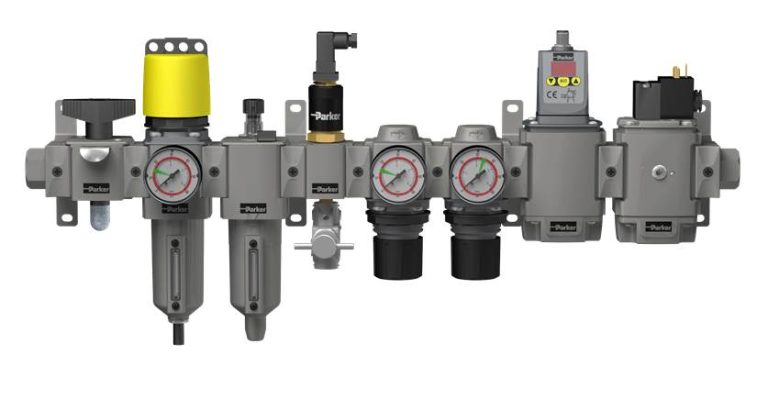
One of the most common instruments is the gauge. This device measures the pressure of gases or liquids in a system. Manometers can be analog, with a dial that indicates pressure, or digital, which provide readings in numerical format. The choice between analog and digital pressure gauge depends on the specific needs of the application and the accuracy required.
Os pressure transducers are another widely used type of instrument. They convert pressure into an electrical signal, which can be read by a control or monitoring system. Transducers are especially useful in automated applications where pressure needs to be monitored continuously and in real time.
Furthermore, it is important to consider the type of pressure to be measured. Absolute pressure is measured in relation to vacuum, while gauge pressure is measured in relation to atmospheric pressure. For specific applications, such as vacuum systems, it may be necessary to use vacuum pressure gauges, which are designed to measure pressures below atmospheric pressure.
To ensure accurate measurements, it is essential to regularly calibrate instruments. Calibration must be performed according to the manufacturer's specifications and at regular intervals to ensure that the data collected is reliable and useful for system operation.
Practical Applications of the Pressure Unit – Examples of applications in pneumatic, hydraulic systems and other areas that depend on pressure control.
A pressure unit It is essential in several practical applications, especially in pneumatic and hydraulic systems. Below are some examples of how pressure is used in different sectors.
Em pneumatic systems, air pressure is used to move actuators and valves. These systems are widely used in assembly lines and automated processes. Proper pressure ensures actuators function efficiently, preventing failures and increasing productivity.
In the sector hydraulic, pressure is crucial for the operation of heavy machines such as excavators and cranes. Hydraulic fluid pressure allows these machines to perform heavy tasks with precision. Pressure control is vital to safety, as excessive pressures can cause catastrophic failures.
Also, in food and beverage industries, pressure is used in packaging and transportation processes. Maintaining adequate pressure is essential to avoid contamination and guarantee product quality. Vacuum packaging systems, for example, rely on controlled pressures to preserve food freshness.
Na pharmaceutical, pressure is used in filtration and sterilization processes. Controlled pressure is necessary to ensure products are free of contaminants and meet strict quality standards.
These examples demonstrate how the pressure unit is a critical element in various applications, directly impacting the efficiency and safety of industrial processes. Precise pressure control is essential for operational success in several sectors.